Dental plaque is the invisible enemy lurking on your teeth, threatening your oral health day after day. While brushing and flossing are well-known practices, avoiding dental plaque requires a deeper understanding of its causes and a commitment to comprehensive daily habits. In this guide, we’ll explore the science behind plaque, the daily routines that truly work, the impact of diet and lifestyle, and innovative tools that go beyond traditional brushing. If you want to keep your smile radiant and your teeth strong, read on for the best practices for daily oral hygiene to effectively avoid dental plaque.
Understanding Dental Plaque: What Makes It So Harmful?
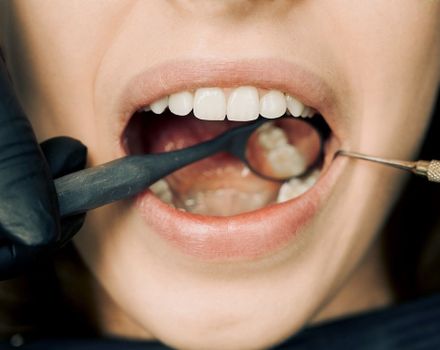
Dental plaque is a sticky, colorless film that forms on your teeth and gums every day. It’s made up of bacteria, food particles, and saliva. Left unchecked, plaque can harden into tartar (calculus) within as little as 24 to 72 hours, which is far more difficult to remove and can only be cleaned off by dental professionals.
The real danger of plaque lies in its bacterial content. These bacteria feed on sugars in our diet, producing acids that erode enamel and lead to cavities. Over time, plaque buildup can cause gum inflammation (gingivitis), which, if ignored, can progress into periodontitis—a serious gum disease linked to tooth loss and even systemic health issues like heart disease.
.png)
According to the American Dental Association (ADA), more than 47% of adults aged 30 and older in the United States have some form of periodontal (gum) disease, much of which starts with uncontrolled plaque. This statistic highlights the importance of preventing plaque formation before it threatens your dental and overall health.
Beyond Brushing: Comprehensive Daily Habits to Defeat Plaque
Many people think brushing twice a day is sufficient, but avoiding dental plaque requires a more deliberate approach. Here are key daily strategies:
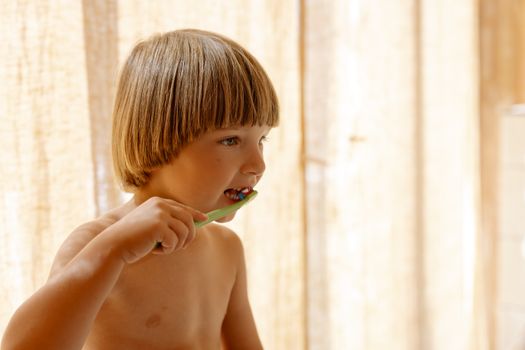
1. Clean Your Tongue: The tongue can harbor bacteria and food debris, contributing to plaque formation. Use a tongue scraper or your toothbrush to gently clean your tongue every morning and night. 2. Rinse After Meals: Even if you can’t brush after every meal, rinsing your mouth with water can help dislodge food particles and reduce acid buildup. Avoid sugary drinks during rinsing, as they can feed plaque bacteria. 3. Chew Sugar-Free Gum: Chewing gum stimulates saliva production, which naturally helps wash away food particles and neutralize acids. Studies show that chewing sugar-free gum after meals can reduce plaque acids by up to 50%. 4. Use Interdental Brushes: For those with wider gaps between teeth or dental work like braces, interdental brushes are more effective than floss at removing trapped debris and preventing plaque formation in hard-to-reach spots. 5. Choose the Right Toothpaste: Toothpastes containing stannous fluoride or triclosan have been proven to reduce plaque and gingivitis more effectively than standard fluoride pastes. 6. Replace Your Toothbrush Regularly: The ADA recommends changing your toothbrush every 3 to 4 months. Frayed bristles are less effective at removing plaque.The Role of Diet: Foods That Increase and Reduce Plaque
Diet is a critical but often overlooked factor in plaque formation. Plaque bacteria thrive on sugars and starches. Every time you eat or drink something sugary, the bacteria in plaque produce acids that attack tooth enamel for at least 20 minutes.
Here’s a breakdown of how certain foods impact plaque:
| Food Type | Effect on Plaque | Examples |
|---|---|---|
| High-Sugar Foods | Increase plaque production and acidity | Candy, soda, pastries |
| Sticky Carbohydrates | Cling to teeth, feeding bacteria longer | Bread, chips, dried fruit |
| Dairy Products | Neutralize acids, promote remineralization | Cheese, yogurt, milk |
| Crunchy Fruits & Veggies | Increase saliva, mechanically clean teeth | Apples, carrots, celery |
| Water | Washes away debris, dilutes acids | Plain water |
Limiting sugary snacks and drinks, and incorporating more fibrous fruits and vegetables, can significantly reduce the risk of plaque. Dairy, especially cheese, has been found to increase saliva flow and raise mouth pH, offering a protective effect.
Advanced Tools and Technologies for Plaque Prevention
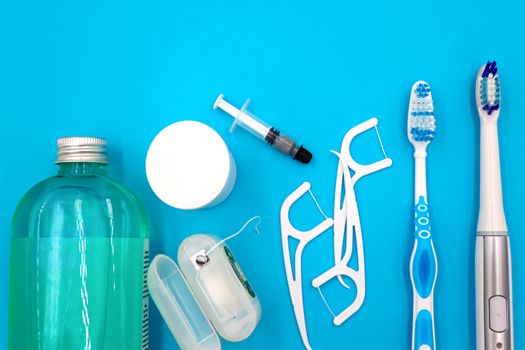
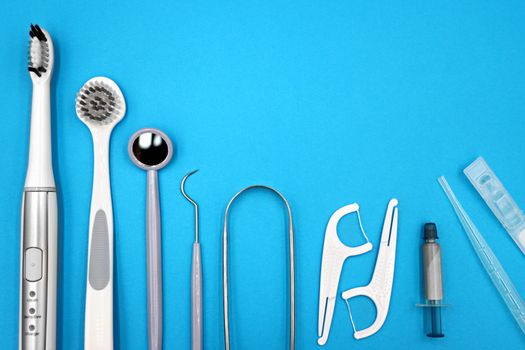
Modern dental care has evolved with new tools designed to target plaque more effectively than ever before. If you’re looking to upgrade your oral hygiene routine, consider these innovations:
1. Water Flossers: Devices like Waterpik use pulsating streams of water to remove plaque and food particles from between teeth and below the gumline. Clinical trials have shown water flossers remove up to 99.9% of plaque from treated areas. 2. Plaque Disclosing Tablets: These chewable tablets temporarily stain plaque, helping you visualize missed spots after brushing. They’re especially useful for children and anyone wanting to perfect their technique. 3. Sonic and Oscillating Electric Toothbrushes: High-quality electric toothbrushes can produce up to 30,000-40,000 brush strokes per minute. Studies published in the Journal of Clinical Dentistry have found that oscillating-rotating brushes reduce plaque 21% more than manual brushing after three months of use. 4. Smart Toothbrushes: With built-in sensors and mobile apps, these advanced brushes track your brushing time, pressure, and coverage, providing instant feedback for improved plaque control. 5. Antimicrobial Mouthwashes: Rinses containing chlorhexidine, essential oils, or cetylpyridinium chloride can reduce plaque levels by up to 30% when used as part of a daily routine, according to several clinical studies.The Impact of Lifestyle and Consistency on Plaque Formation
Plaque prevention isn’t just about what you do, but also how consistently you do it. Lifestyle factors—like smoking, sleep, and stress—can also influence oral health.
- Smoking: Smokers are twice as likely to develop gum disease as non-smokers, due in part to increased plaque and reduced blood flow to the gums. - Sleep: Poor sleep has been linked to higher inflammation levels and reduced immune response, making it harder for the body to fight off plaque-related gum disease. - Hydration: Dehydration reduces saliva flow, which is essential for neutralizing acids and washing away plaque. Aim for at least eight 8-ounce glasses of water a day. - Consistency: A 2019 study in the Journal of Periodontology found individuals who maintained a twice-daily oral care routine had 65% lower rates of gum disease than those with inconsistent habits.Building routines and sticking to them is crucial. Setting reminders, using checklists, or pairing oral care with other daily rituals (like showering) can help make plaque prevention habitual.
Professional Support: How Regular Dental Visits Enhance Home Care
No matter how diligent your daily routine, some plaque and tartar inevitably build up in hard-to-reach areas. Professional cleanings and checkups play a vital role:
- Dental cleanings every six months can reduce the risk of gum disease by over 60%, according to the CDC. - Dentists use specialized tools to remove tartar, which cannot be removed by brushing or flossing alone. - Regular exams help catch early signs of plaque-related issues before they become serious problems, saving you discomfort and expense in the long run.Additionally, your dentist or hygienist can provide personalized advice on improving your technique, choosing the right tools, and adapting your care to changing needs (e.g., braces, aging).
Final Thoughts on Avoiding Dental Plaque
Preventing dental plaque goes far beyond the basics of brushing and flossing. It involves a holistic approach—combining daily habits, smart dietary choices, advanced oral care tools, and regular professional care. By understanding the science behind plaque and proactively addressing all its causes, you can maintain a healthy, confident smile for life. Remember: the small choices you make every day are the foundation of your long-term oral health.