Dental Care After Orthodontic Treatment: How to Protect Teeth After Wearing Braces
For many people, the day their braces come off is a moment of celebration. After months or even years of orthodontic treatment, you finally get to enjoy a straighter, healthier smile. But the journey to optimal dental health doesn’t end when your braces are removed. In fact, the post-braces period is critical—a time when your teeth are most vulnerable to shifting, staining, and other issues if not properly cared for. Protecting your teeth after orthodontic treatment takes more than routine brushing and flossing. This comprehensive guide dives into the essentials of dental care after braces, offering strategies, scientific facts, and actionable advice to ensure your smile stays stunning for years to come.
The Critical Importance of Post-Braces Dental Care
Orthodontic treatment is a significant investment—in time, money, and effort. According to the American Association of Orthodontists, the average time spent in braces is 18 to 24 months. During this period, both your teeth and gums undergo considerable changes. Once the hardware is gone, your teeth are at a higher risk of moving back to their original positions, a process known as relapse. In fact, studies show that up to 70% of orthodontic patients experience some degree of relapse within 10 years if retention is not properly managed.
Additionally, the removal of braces often reveals areas of enamel that may be decalcified or stained due to difficulties in cleaning around brackets and wires. Without meticulous care, these vulnerable spots can develop into cavities or permanent discoloration.
.png)
To safeguard your orthodontic results and maintain oral health, it’s crucial to follow a specialized post-braces dental care plan that goes beyond the basics.
Retainers: Your First Line of Defense
After braces, the most important tool in maintaining your new smile is the retainer. Retainers are custom-made appliances designed to hold your teeth in their new positions while bone and soft tissue stabilize. Skipping or misusing your retainer is the primary cause of post-braces relapse.
There are two main types of retainers:
1. Removable Retainers (Hawley, Essix): These are taken out for eating and cleaning. They’re convenient but require discipline to wear as instructed. 2. Fixed Retainers: Thin wires bonded to the back of the teeth, usually on the lower front teeth. They work 24/7 but need special attention during cleaning to prevent plaque buildup.The duration and frequency of retainer wear depend on your orthodontist’s recommendations, but most people are advised to wear them full-time for the first several months, then transition to night wear indefinitely. According to a 2022 survey by the British Orthodontic Society, 90% of orthodontists recommend lifetime retainer use to prevent teeth from shifting.
| Type of Retainer | Pros | Cons | Typical Wear Schedule |
|---|---|---|---|
| Removable (Essix/Hawley) | Easy to clean; less visible (Essix); adjustable (Hawley) | Can be lost or broken; requires discipline | Full-time for 3-6 months, then nightly |
| Fixed (Bonded Wire) | Always in place; no compliance issue | Difficult to clean; potential for breakage | 24/7, often for several years or indefinitely |
Regardless of type, always follow your orthodontist’s instructions precisely. Never attempt to adjust a retainer yourself—ill-fitting retainers can do more harm than good.
Addressing Enamel Scars and Decalcification
One common concern after braces is the appearance of white spots or “enamel scars” where brackets were previously attached. These spots are areas of decalcification, caused by prolonged plaque accumulation around the braces. If left untreated, they can become permanent or develop into cavities.
A 2019 study published in the Journal of Orthodontics found that up to 50% of patients developed some level of white spot lesions during orthodontic treatment. Fortunately, prompt and targeted aftercare can help:
- $1: Schedule a deep cleaning with your dentist soon after your braces are removed. This will remove lingering plaque and tartar that may not have been accessible before. - $1: Your dentist may recommend fluoride varnish or prescription-strength toothpaste to help remineralize enamel. - $1: Products containing calcium phosphate or hydroxyapatite can aid in the repair of early enamel lesions. - $1: For persistent spots, treatments like resin infiltration (ICON) or microabrasion can minimize their appearance.It’s crucial to address these issues early, as enamel scarring is much easier to prevent than to reverse.
Maintaining Gum Health After Braces
The gum tissue can become inflamed or overgrown during orthodontic treatment, a condition known as gingival hyperplasia. According to the American Journal of Orthodontics, up to 30% of patients experience some degree of gum overgrowth while wearing braces. Once the braces come off, gums typically recede to their normal contours—but only with proper hygiene and care.
Key steps for healthy gums post-orthodontics include:
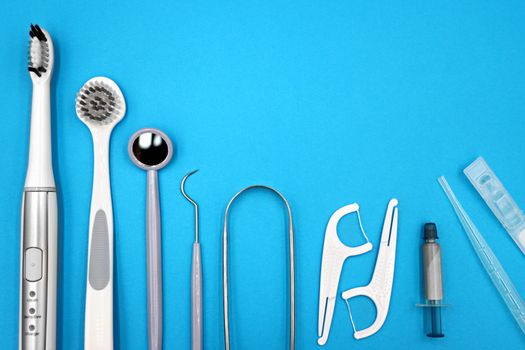
- $1: Use a soft-bristled toothbrush and clean thoroughly along the gum line. An electric toothbrush has been shown to remove up to 21% more plaque than manual brushing, according to a 2020 meta-analysis. - $1: These tools are highly effective at cleaning between teeth and around fixed retainers, where plaque can easily accumulate. - $1: If gum tissue remains puffy or does not return to normal, consult your dentist. Minor surgical procedures (gingivectomy) can reshape the gums if necessary.Good gum health is not only important for aesthetics but also for preventing periodontal disease, which can threaten your newly straightened teeth.
Diet and Lifestyle Adjustments: Protecting Your Investment
After braces, your teeth may be more sensitive, and your enamel may be temporarily weakened. Certain foods and habits can increase the risk of staining, decay, or even shifting teeth if not managed properly.
Key dietary and lifestyle recommendations post-braces include:
- $1: Foods that challenge your retainer or stick to your teeth (like caramel or hard candies) can increase the risk of breakage and decay. - $1: Sodas and citrus juices can erode enamel, making teeth more susceptible to staining and decay. According to the CDC, regular soda drinkers have 62% more dental decay than those who abstain. - $1: Many people develop bruxism (teeth grinding) after orthodontic treatment. If you notice jaw pain or tooth wear, ask your dentist about a night guard. - $1: Smoking significantly increases the risk of gum disease and tooth discoloration. A study from the Journal of Periodontology found smokers are twice as likely to lose teeth compared to non-smokers.Making these changes not only preserves your orthodontic results but also contributes to long-term oral health.
Regular Dental Visits: The Foundation of Post-Orthodontic Health
Professional dental care remains essential after your braces come off. Regular checkups and cleanings allow your dentist to monitor for early signs of relapse, decay, or gum disease. The American Dental Association recommends at least two dental visits per year, but your dentist may suggest more frequent appointments during the first year post-braces.
At these visits, your dental team can:
- Evaluate the fit and condition of retainers - Polish away stains or residual adhesive - Apply fluoride or remineralizing treatments if needed - Monitor gum health and bone stability - Provide guidance tailored to your unique needsCommit to these appointments, and don’t hesitate to contact your dentist if you notice any changes in your bite, tooth sensitivity, or retainer fit.
Long-Term Strategies for a Lifetime of Healthy Smiles
Orthodontic treatment is just one chapter in your journey toward a healthy, confident smile. After braces, maintaining your results requires a thoughtful, sustained approach. Embrace your retainer regimen, address enamel and gum issues promptly, make wise dietary choices, and prioritize professional dental care. By doing so, you not only protect your orthodontic investment but also lay the foundation for oral health that lasts a lifetime.