Maintaining a Lifetime Smile: Dental Care for Older Adults and How to Avoid Common Problems
A healthy smile is a sign of vitality at any age, but as we get older, our teeth and gums require special attention. Dental care for older adults goes beyond brushing and flossing—it’s about adapting to changes in oral health, managing pre-existing conditions, and staying proactive to avoid common problems. Research shows that nearly 1 in 5 adults aged 65 or older have untreated tooth decay, and about 68% suffer from gum disease. These numbers highlight the need for tailored dental care strategies as we age. In this article, we’ll explore the unique dental challenges faced by older adults, the risks of neglecting oral health, and practical steps to keep your teeth strong and healthy well into your golden years.
Understanding the Unique Dental Challenges of Aging
As we age, the oral environment changes in ways that can increase vulnerability to dental problems. Several factors contribute to these challenges:
.png) - Reduced saliva production: Up to 30% of adults over 65 experience dry mouth (xerostomia), often due to medications or health conditions. Saliva is essential for neutralizing acids and protecting against tooth decay.
- Thinning enamel: The protective outer layer of teeth naturally wears down over time, making teeth more susceptible to cavities and sensitivity.
- Gum recession: Gums may recede, exposing tooth roots that are not as resistant to decay as enamel-covered surfaces.
- Medical conditions: Diabetes, osteoporosis, and cardiovascular disease can impact oral health, increasing the risk of gum disease and tooth loss.
- Medications: More than 500 commonly prescribed drugs can cause dry mouth, and some may impact taste or cause gum overgrowth.
- Reduced saliva production: Up to 30% of adults over 65 experience dry mouth (xerostomia), often due to medications or health conditions. Saliva is essential for neutralizing acids and protecting against tooth decay.
- Thinning enamel: The protective outer layer of teeth naturally wears down over time, making teeth more susceptible to cavities and sensitivity.
- Gum recession: Gums may recede, exposing tooth roots that are not as resistant to decay as enamel-covered surfaces.
- Medical conditions: Diabetes, osteoporosis, and cardiovascular disease can impact oral health, increasing the risk of gum disease and tooth loss.
- Medications: More than 500 commonly prescribed drugs can cause dry mouth, and some may impact taste or cause gum overgrowth.
These changes mean that older adults must be vigilant and proactive in their dental care routines. Ignoring these issues can quickly lead to discomfort, difficulty eating, and even systemic health problems.
The Hidden Risks of Neglected Oral Health in Older Adults
Neglecting dental care in later life can have significant consequences, some of which extend far beyond the mouth. Here are some risks associated with poor oral health in older adults:
- Tooth loss: According to the Centers for Disease Control and Prevention (CDC), nearly 1 in 5 adults over age 65 have lost all of their teeth. Tooth loss can impact nutrition, speech, and self-esteem. - Increased risk of infections: Gum disease (periodontitis) is linked to higher risks of heart disease, stroke, and poorly controlled diabetes. - Difficulty eating: Problems like missing teeth or ill-fitting dentures can make it hard to chew, leading to poor nutrition. - Social isolation: Oral health issues can affect confidence, leading to reduced social interaction. - Respiratory infections: Poor oral hygiene can increase the risk of respiratory infections, including aspiration pneumonia.A 2019 study published in the Journal of Dental Research found that seniors with poor oral health were 1.5 times more likely to develop heart disease than those with healthy mouths. This underscores the importance of viewing dental care as a key component of overall health for older adults.
Essential Preventive Strategies for Healthy Teeth in Later Life
Older adults can take several steps to prevent common dental problems and maintain their oral health. The following strategies go beyond basic brushing and flossing:
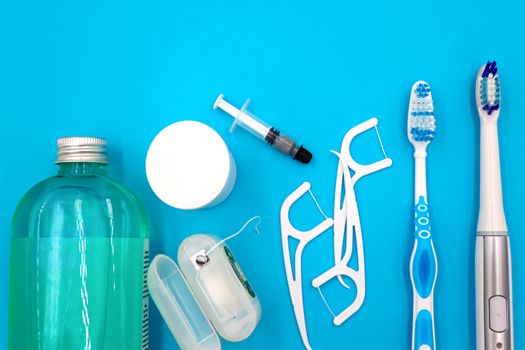
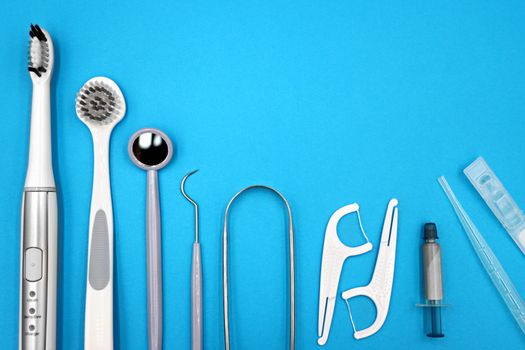
1. Stay Hydrated and Combat Dry Mouth Sipping water throughout the day stimulates saliva production and helps wash away food particles. Chewing sugar-free gum or sucking on sugar-free lozenges can also aid saliva flow. Avoiding caffeine, alcohol, and tobacco products can further reduce the risk of dry mouth. 2. Use Fluoride-Containing Products Fluoride strengthens enamel and helps reverse early signs of tooth decay. Older adults should use fluoride toothpaste and discuss with their dentist the possibility of fluoride mouth rinses or professional fluoride treatments, especially if they are at high risk for cavities. 3. Adapt Oral Hygiene Tools Age-related changes such as arthritis can make brushing and flossing more difficult. Consider using electric toothbrushes, floss picks, or interdental brushes designed for easier grip and maneuverability. Some seniors also benefit from toothpaste formulated for sensitive teeth. 4. Manage Underlying Health Conditions Maintaining control over chronic conditions such as diabetes and heart disease can significantly improve oral health outcomes. Be sure to inform your dentist about all medications and medical conditions. 5. Schedule Regular Dental Visits Older adults should see a dentist at least twice a year—even if they have dentures or very few natural teeth left. Regular check-ups allow for early detection of issues like oral cancer, gum disease, and denture fit problems.Nutrition and Lifestyle Choices for Strong Senior Smiles
Diet and lifestyle play a pivotal role in oral health, particularly as we age. A balanced diet provides essential nutrients to maintain healthy teeth and gums, while certain habits can either support or sabotage oral health.
- Calcium and vitamin D: These nutrients are vital for bone and tooth strength. The National Institutes of Health recommends that adults over 70 get 1,200 mg of calcium and 800 IU of vitamin D daily. - Limit sugary and acidic foods: Frequent consumption of candy, soda, and citrus can erode enamel and increase cavity risk. - Fresh produce: Crunchy fruits and vegetables like apples and carrots help clean teeth naturally and stimulate gums. - Avoid tobacco: The CDC reports that tobacco users are twice as likely to lose their teeth as non-users. - Alcohol in moderation: Excessive alcohol can dry out the mouth and increase the risk of oral cancers.The table below compares common dietary choices and their impact on oral health for older adults:
| Food/Drink | Oral Health Impact | Recommendation |
|---|---|---|
| Milk & Yogurt | High in calcium, strengthens teeth | Consume daily |
| Citrus Fruits | High vitamin C, but acidic | Eat in moderation, rinse after |
| Sugary Sodas | High sugar, promotes decay | Limit or avoid |
| Leafy Greens | Rich in vitamins and minerals | Eat frequently |
| Coffee/Tea | Can stain teeth, some are acidic | Drink in moderation, rinse after |
| Fresh Apples/Carrots | Stimulate saliva, clean teeth | Snack often |
Small changes in diet can have a big impact on dental health, especially when paired with a solid oral hygiene routine.
The Importance of Denture and Implant Care
Many older adults wear dentures or have dental implants. These prosthetics require special care to avoid complications such as infections, irritation, or bone loss.
- Denture care: Dentures should be cleaned daily with a non-abrasive cleanser and soaked overnight in water or a denture solution. Never use hot water, as it can warp the material. Remove dentures at night to give the gums a chance to recover. - Implant maintenance: Dental implants should be brushed and flossed like natural teeth. Specialized brushes or water flossers can help clean around implants. - Regular check-ups: Ill-fitting dentures or implants can cause sores, infections, and difficulty eating. Regular dental visits ensure prosthetics are in good condition and fit properly.A survey by the American College of Prosthodontists found that nearly 40 million Americans wear dentures, and over 3 million have dental implants. Proper care of these devices is crucial for comfort, function, and the prevention of additional oral health issues.
Spotlight on Oral Cancer: What Older Adults Need to Know
Oral cancer risk increases with age, with 95% of cases occurring in people over 40. Risk factors include tobacco and alcohol use, sun exposure (for lip cancer), and a history of HPV infection. Early detection is key, as survival rates are much higher when oral cancer is caught early.
Signs to watch for include: - Persistent sores or ulcers in the mouth - Lumps, thickening, or rough spots - White or red patches on the gums, tongue, or lining of the mouth - Difficulty chewing, swallowing, or moving the jaw/tongueDuring routine dental visits, dentists screen for oral cancer. If you notice any of these symptoms lasting longer than two weeks, schedule a dental appointment immediately.
Final Thoughts: Lifelong Dental Wellness for Older Adults
Dental care for older adults is about more than just maintaining a nice smile—it’s about preserving overall health, comfort, and quality of life. By understanding the unique challenges aging brings, staying proactive with preventive care, and making smart lifestyle choices, seniors can avoid common dental problems and keep their teeth healthy for years to come. Remember, it’s never too late to start prioritizing your oral health.