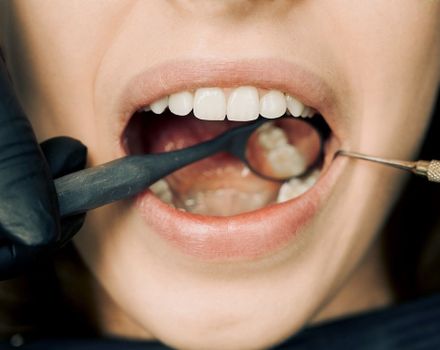
Dental caries—commonly known as tooth decay or cavities—are among the most widespread health problems in the world. According to the World Health Organization, nearly 2.3 billion people suffer from caries of permanent teeth globally. Recognizing the early signs of dental caries and knowing how to respond at home can make a significant difference in oral health outcomes. While professional dental care is essential for treating advanced decay, there are effective home care strategies to slow its progression and manage early symptoms. In this article, we’ll explore how to recognize dental caries, what symptoms to watch for, and evidence-based home care procedures that can help protect your teeth.
Understanding Dental Caries: What Happens to Your Teeth?
Dental caries is a process where tooth enamel—the hard, outer surface of the tooth—is gradually destroyed by acids produced by bacteria. These bacteria, primarily Streptococcus mutans, feed on sugars and starches left on teeth after eating. As they digest these carbohydrates, they produce acid as a waste product, which erodes the enamel and, if left unchecked, penetrates deeper layers of the tooth.
Key facts: - The Centers for Disease Control and Prevention (CDC) reports that 1 in 4 adults aged 20-64 have untreated dental caries. - Dental caries is the most common chronic disease in children, even more prevalent than asthma. - The process of caries development can take months or even years, depending on oral hygiene habits, diet, and genetics.Caries can affect any part of the tooth but are most common in the chewing surfaces of back teeth (molars and premolars), between teeth, and near the gum line.
.png)
Recognizing the Symptoms of Dental Caries Early
Early detection of dental caries can mean the difference between a simple preventive measure and a complex dental procedure. The symptoms of dental caries progress in stages:
1. White Spots: The first visible sign of demineralization is a chalky white spot on the enamel. This area may feel rough or sticky but is not yet a cavity. 2. Sensitivity: As the enamel continues to break down, you may experience sensitivity to hot, cold, or sweet foods and drinks. 3. Discoloration: The white spot may turn brown or black as decay progresses into the dentin (the layer beneath the enamel). 4. Pain: A toothache or spontaneous pain may occur, especially when chewing. 5. Visible Cavities: Small holes or pits may appear, especially in areas where food gets trapped.In advanced cases, the infection can reach the tooth pulp, leading to abscesses, swelling, and severe pain.
Risk Factors: Who Is Most Vulnerable to Dental Caries?
While anyone can develop dental caries, some individuals are at higher risk due to a combination of behavioral, biological, and environmental factors.
- Children and Adolescents: Developing teeth are more vulnerable to acid attacks. The CDC notes that over 52% of children aged 6-8 have had a cavity in their primary teeth. - People with Dry Mouth (Xerostomia): Saliva is critical for neutralizing acids and washing away food particles. Medications, aging, and certain medical conditions can reduce saliva flow. - Diet High in Sugar and Refined Carbohydrates: Frequent snacking or sipping sugary beverages provides a steady food source for bacteria. - Poor Oral Hygiene: Infrequent or ineffective brushing and flossing allows plaque to build up. - Genetic Factors: Some people have naturally weaker enamel or deeper grooves in their teeth, making them more susceptible.The following table summarizes key risk factors and their impact:
| Risk Factor | Impact on Dental Caries Risk | Prevalence/Statistics |
|---|---|---|
| High Sugar Diet | Increases bacterial acid production | Average U.S. adult consumes 17 teaspoons of added sugar daily (CDC) |
| Poor Oral Hygiene | Promotes plaque buildup | Only 30% of Americans floss daily (ADA) |
| Dry Mouth | Reduces natural mouth cleaning | Over 20% of older adults experience xerostomia |
| Genetic Factors | May weaken enamel or tooth structure | Estimated 40% heritability for dental caries (Twin studies) |
Effective Home Care Procedures for Early Dental Caries
If you notice the early signs of dental caries—like white spots or sensitivity—there are several home care strategies you can use to halt or even reverse the process before a cavity forms. It’s important to note that once a cavity has developed (a hole in the tooth), only a dental professional can repair the damage.
1. Fluoride Use: Fluoride is a mineral that strengthens enamel and can reverse early demineralization. Using a fluoride toothpaste twice daily and occasionally rinsing with a fluoride mouthwash can help. Some studies show that high-fluoride toothpaste (containing 5,000 ppm fluoride) can reduce caries risk by up to 23% compared to standard toothpaste. 2. Dietary Changes: Reducing the frequency of sugary snacks and drinks minimizes acid attacks. Try to eat sweets with meals rather than as snacks, since increased saliva flow during meals helps neutralize acids. 3. Remineralizing Agents: Products containing calcium phosphates, like casein phosphopeptide-amorphous calcium phosphate (CPP-ACP), can help restore minerals to enamel. These are available as over-the-counter pastes or chewing gums. 4. Improved Oral Hygiene: Brushing twice a day and flossing daily removes plaque and reduces the food supply for harmful bacteria. Use a soft-bristled toothbrush and replace it every 3-4 months. 5. Sugar-Free Chewing Gum: Chewing sugar-free gum stimulates saliva production, which helps neutralize acids and repair early enamel damage. The American Dental Association recommends xylitol-containing gum for its added anti-cavity benefit.When to Seek Professional Dental Care
While home care can be highly effective for early-stage dental caries, there are limits to what you can do without professional intervention. You should seek dental care if you notice:
- Persistent toothache or sensitivity that does not improve - Visible holes or pits in your teeth - Dark spots or staining that cannot be brushed away - Swelling of the gums or face - Signs of infection, such as pus or feverDentists have specialized tools—like dental explorers and X-rays—to detect cavities that might not be visible to the naked eye. Treatment options include fillings, crowns, or, in severe cases, root canals. Early intervention can prevent tooth loss and the spread of infection.
Preventing Dental Caries: Long-Term Strategies
Preventing dental caries is easier and less expensive than treating them once they occur. In addition to the home care strategies already discussed, consider these long-term approaches:
- Regular Dental Visits: The American Dental Association recommends professional cleanings and exams every six months. - Dental Sealants: For children and some adults, sealants—protective coatings applied to the chewing surfaces of back teeth—can reduce the risk of cavities by up to 80%. - Water Fluoridation: Drinking fluoridated water has been shown to reduce cavity rates by 25% in children and adults. - Education and Awareness: Teaching children and caregivers about proper oral hygiene and healthy eating habits can have a lifelong impact.Final Thoughts on Recognizing and Treating Dental Caries
Dental caries is a common but highly preventable disease. By understanding the symptoms and risk factors, you can take proactive steps to protect your teeth. Early detection—white spots, sensitivity, and mild discomfort—provides a valuable window of opportunity for home care and professional intervention. Simple daily habits, like using fluoride toothpaste, reducing sugar intake, and maintaining regular dental visits, can dramatically reduce your risk of cavities and ensure a healthy, confident smile for years to come.