Pregnancy is a time of joyful anticipation and immense transformation. Amid the excitement of preparing for a new life, it’s easy for expectant mothers to overlook one crucial aspect of their well-being: oral hygiene. However, maintaining healthy teeth and gums during pregnancy isn’t just about comfort or appearance—it’s essential for both maternal and fetal health. Hormonal shifts, dietary changes, and physical symptoms like morning sickness can increase the risk of dental problems. Let’s explore why oral hygiene for pregnant women is so important, what unique challenges this period brings, and how you can keep your smile—and your baby—healthy throughout pregnancy.
Understanding the Link Between Pregnancy and Oral Health
Pregnancy dramatically changes a woman’s body, and her mouth is no exception. Increased levels of hormones like estrogen and progesterone can affect the way gum tissue reacts to plaque, the sticky film of bacteria on teeth. According to the Centers for Disease Control and Prevention (CDC), nearly 60% to 75% of pregnant women experience gingivitis—an early stage of gum disease—at some point during pregnancy.
These hormonal changes can cause gums to become more sensitive, swollen, and prone to bleeding. If untreated, gingivitis can progress to periodontitis, a more severe form of gum disease that may lead to tooth loss. Even more concerning, studies published in the Journal of Clinical Periodontology have linked severe gum disease in pregnant women to preterm birth and low birth weight.
.png)
Furthermore, morning sickness, cravings for sugary snacks, and frequent snacking can all increase the risk of tooth decay. Clearly, oral health is not just a cosmetic concern during pregnancy—it’s an integral part of prenatal care.
Common Dental Problems During Pregnancy
Pregnant women are at greater risk for several dental issues, including:
1. $1 As mentioned, hormonal changes make gums more vulnerable to inflammation. Symptoms include redness, swelling, and bleeding, especially when brushing or flossing. 2. $1 If gingivitis is not treated, it can progress to periodontitis, causing infection and damage to the bone that supports teeth. 3. $1 Don’t let the name scare you—these are non-cancerous overgrowths of gum tissue that can develop during pregnancy, most often in the second trimester. They usually disappear after giving birth. 4. $1 Increased snacking, cravings for sugary foods, and morning sickness (which exposes teeth to stomach acids) all raise the risk of cavities. 5. $1 Frequent vomiting due to morning sickness can erode tooth enamel, making teeth more sensitive and susceptible to decay.Each of these issues can lead to discomfort and complications if not addressed promptly. Understanding these risks is the first step toward prevention.
How Hormones Affect Oral Health in Pregnant Women
The hormonal surges of pregnancy are responsible for many oral health changes. Progesterone and estrogen can increase blood flow to gum tissue, making it more sensitive and reactive to bacteria. This is why even women who previously had healthy gums can develop gingivitis while expecting.
Moreover, the immune system’s response to bacterial plaque is altered during pregnancy, making it harder for your body to fight off gum infections. The American Academy of Periodontology reports that the risk of developing gum disease is up to seven times higher for pregnant women compared to those who are not pregnant.
Let’s break down the key hormonal effects:
| Hormone | Effect on Oral Health | Potential Problems |
|---|---|---|
| Progesterone | Increases blood flow to gums; alters immune response | Gingivitis, gum swelling, bleeding |
| Estrogen | Promotes gum tissue changes | Gum sensitivity, pregnancy tumors |
| hCG (Human Chorionic Gonadotropin) | Can contribute to nausea/vomiting | Enamel erosion, increased cavity risk |
Awareness of these effects can help expectant mothers take proactive steps to protect their oral health.
Safe Dental Care Practices During Pregnancy
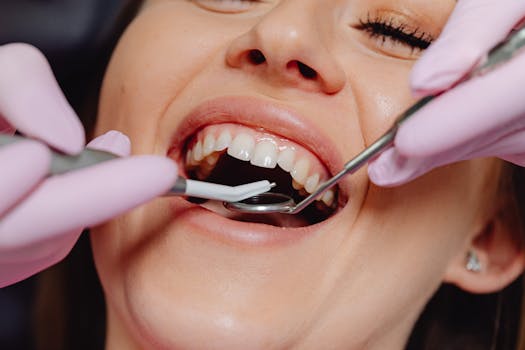
Many women worry about whether dental care is safe during pregnancy. The good news is that most routine dental treatments are not only safe but also recommended.
Here are safe practices and guidelines for expectant mothers:
- $1 The American Dental Association (ADA) encourages pregnant women to continue regular dental visits. Inform your dentist that you are pregnant so they can tailor your care. - $1 Dental cleanings are safe and can help prevent gingivitis and periodontitis. In fact, treating gum disease during pregnancy is linked to better outcomes for both mother and baby. - $1 Modern dental X-rays use very low doses of radiation. With proper shielding, the risk to the fetus is minimal. However, elective X-rays are often postponed until after delivery. - $1 Urgent procedures such as fillings, root canals, and extractions should not be delayed if needed. Untreated infections pose a greater risk than most dental interventions. - $1 Some antibiotics and pain medications are not recommended during pregnancy. Always consult your dentist and obstetrician before taking new medications.The ADA, CDC, and American College of Obstetricians and Gynecologists all agree: maintaining oral health during pregnancy is crucial, and most dental treatments are safe.
Diet, Lifestyle, and Oral Hygiene Tips for Pregnant Women
Pregnancy cravings and nausea can make sticking to healthy habits challenging, but a few targeted strategies can go a long way:
- $1 Use a soft-bristled toothbrush and fluoride toothpaste. If morning sickness makes brushing difficult, try brushing at a different time of day or rinsing your mouth with water and baking soda (1 teaspoon in 1 cup water) to neutralize stomach acid. - $1 Flossing removes plaque and food particles from between the teeth and below the gumline, where toothbrushes can’t reach. - $1 Don’t brush immediately after vomiting, as this can spread acid over your teeth. Instead, rinse your mouth with water or a baking soda solution first. - $1 Choose snacks that are low in sugar and high in nutrients—think yogurt, cheese, nuts, or fresh fruits and vegetables. Calcium, vitamin D, and phosphorous are all vital for your baby’s developing teeth and bones. - $1 Drinking water helps wash away food particles and bacteria, and promotes saliva production, which is your mouth’s natural defense against cavities. - $1 Both can harm your oral and overall health, and can lead to serious complications for your baby.These daily habits, combined with professional care, can drastically reduce the risk of dental problems during pregnancy.
How Oral Health Impacts Baby’s Health
One of the most compelling reasons to prioritize oral hygiene during pregnancy is its impact on your baby’s health. Research consistently shows that poor maternal oral health can have far-reaching consequences:
- $1 A study published in the Journal of Dental Research found that women with periodontal disease are up to seven times more likely to give birth prematurely or have a baby with low birth weight. - $1 Mothers with untreated tooth decay can pass cavity-causing bacteria to their babies through saliva, increasing the child’s risk of early childhood caries. - $1 Some studies suggest a link between gum disease and increased risk of gestational diabetes and preeclampsia, although more research is needed. - $1 Your baby’s teeth begin to develop between the third and sixth month of pregnancy. A mother’s nutrition and oral health during this period are vital for proper tooth formation.Clearly, protecting your own oral health during pregnancy is an investment in your child’s long-term well-being.
Final Thoughts on Oral Hygiene for Pregnant Women
Oral hygiene for pregnant women is about much more than a bright smile—it’s a critical part of prenatal care that has lasting effects on both mother and baby. The hormonal changes of pregnancy make women more susceptible to dental issues, but with regular dental visits, mindful dietary choices, and diligent at-home care, most oral health problems can be prevented or managed.
If you’re pregnant or planning to be, now is the time to prioritize your dental health. Talk to your dentist, follow safe oral care practices, and remember that maintaining a healthy mouth is an essential part of a healthy pregnancy.