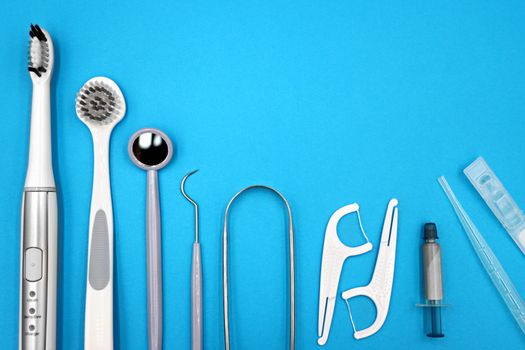
Bad breath, also known as halitosis, is a common yet often embarrassing issue that can impact not only your oral health but also your confidence and social interactions. According to the American Dental Association, over 50% of adults have experienced occasional bad breath, making it a widespread concern. However, understanding the root causes and implementing targeted prevention strategies can dramatically reduce your risk and help you maintain fresh breath all day long. This article delves deep into the lesser-known causes of bad breath and explores effective, science-backed prevention methods that go beyond the usual brushing and flossing advice.
Understanding Bad Breath: What Really Causes It?
Most people believe that poor oral hygiene is the sole culprit behind bad breath. While neglecting to brush and floss certainly contributes, the reality is more complex. Halitosis can result from a range of factors, and recognizing these is key to effective prevention.
1. Bacterial Activity: The mouth is home to over 700 species of bacteria. These bacteria break down food particles and dead cells, producing foul-smelling sulfur compounds such as hydrogen sulfide and methyl mercaptan. 2. Dry Mouth (Xerostomia): Saliva plays a crucial role in cleansing the mouth and controlling odor. Reduced saliva flow, which can result from medications, dehydration, or sleeping with your mouth open, creates an environment where odor-causing bacteria thrive. 3. Dietary Choices: Foods rich in sulfur, such as garlic, onions, and certain spices, can temporarily worsen breath. High-protein and low-carb diets may also promote ketone production, which causes a distinct odor. 4. Medical Conditions: Chronic bad breath can signal underlying health issues. Sinus infections, diabetes, gastroesophageal reflux disease (GERD), and liver or kidney problems sometimes manifest as halitosis. 5. Tobacco Use: Smoking and chewing tobacco not only dry out the mouth but also leave lingering odors and increase the risk of gum disease, another cause of bad breath.Understanding these diverse factors is essential for addressing bad breath at its source, rather than merely masking it.
.png)
Beyond Brushing: Effective Prevention Methods You Might Be Missing
While brushing and flossing are non-negotiable for oral health, truly fresh breath requires a more holistic approach. Here are several proven methods to keep your breath pleasant throughout the day.
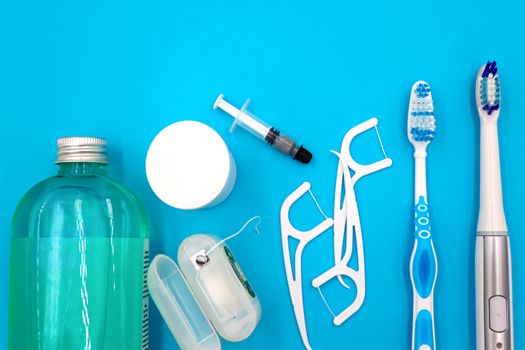
1. Stay Hydrated: Drink at least 2 liters (about 8 cups) of water daily to ensure adequate saliva production. Chewing sugar-free gum can also stimulate saliva flow. 2. Rinse with Antimicrobial Mouthwash: Traditional mouthwashes may only mask odors. Opt for products containing chlorhexidine, cetylpyridinium chloride, or essential oils, which actively target odor-causing bacteria. 3. Mind Your Diet: Incorporate fiber-rich fruits and vegetables like apples, carrots, and celery, which help scrub away food particles and increase saliva flow. Avoid excessive coffee, alcohol, and sugary foods, all of which can dry out the mouth or feed bacteria. 4. Clean Dental Appliances: If you wear dentures, retainers, or mouthguards, clean them daily as instructed by your dentist to prevent bacterial buildup. 5. Scrape Your Tongue: The rough surface of the tongue harbors bacteria and food debris. Use a tongue scraper or the back of your toothbrush to clean it gently each day. 6. Address Dry Mouth: If you frequently experience dry mouth, talk to your dentist or physician. They may recommend saliva substitutes or adjust medications that contribute to dryness.The Impact of Lifestyle and Habits on Halitosis
Your everyday habits play a significant role in either worsening or alleviating bad breath. Small, consistent changes can make a noticeable difference.
- Smoking Cessation: Smokers are twice as likely to suffer from persistent bad breath. Quitting tobacco not only improves breath but also reduces the risk of gum disease and oral cancer. - Regular Dental Checkups: The American Dental Association recommends seeing your dentist at least twice a year for professional cleanings and early detection of oral health issues. - Managing Stress: Chronic stress can lead to mouth breathing, dry mouth, and even gastrointestinal issues that indirectly affect breath. - Sleep Hygiene: Sleeping with your mouth open increases dryness and bacterial overgrowth. Treating nasal congestion and maintaining a humid environment can help.Comparing Common Bad Breath Remedies: What Really Works?
Not all fresh breath products are created equal. Some only offer temporary relief, while others target the underlying causes. Here’s a comparison of popular approaches:
| Remedy | How It Works | Effectiveness | Duration of Freshness | Notes |
|---|---|---|---|---|
| Regular Toothbrushing | Removes plaque and food debris | High (if done twice daily) | 4-6 hours | Must be consistent; misses tongue bacteria |
| Mouthwash (Alcohol-Based) | Masks odors, kills some bacteria | Moderate | 1-2 hours | May cause dry mouth with frequent use |
| Antimicrobial Mouthwash | Kills odor-causing bacteria | High | 4-8 hours | Look for ADA-approved formulations |
| Sugar-Free Gum | Stimulates saliva, masks odor | Moderate | 1-2 hours | Helpful for dry mouth |
| Tongue Scraping | Removes bacteria from tongue | High | 6-8 hours | Often overlooked, but very effective |
| Dietary Changes | Reduces odor-causing foods/bacteria | Varies | Continuous | Best for long-term control |
This table illustrates that while daily oral hygiene is critical, combining it with tongue cleaning, dietary adjustments, and antimicrobial mouthwashes can provide more comprehensive, longer-lasting results.
Medical Causes of Bad Breath: When to Seek Professional Help
Persistent bad breath despite good oral care may indicate an underlying health problem. According to a study published in the Journal of Clinical Periodontology, about 10% of chronic halitosis cases are due to non-oral conditions. Here are some red flags that warrant a medical evaluation:
- Chronic sinus or respiratory infections: These can lead to post-nasal drip, which coats the back of the tongue with odor-causing substances. - Gastrointestinal disorders: Conditions like GERD or chronic reflux allow stomach acids to reach the mouth, imparting a sour or metallic odor. - Systemic diseases: Uncontrolled diabetes can cause a fruity or acetone-like smell, while kidney or liver dysfunction may impart a fishy or ammonia-like odor.If you notice persistent bad breath that does not improve with oral care, or if it's accompanied by other symptoms like dry mouth, unexplained weight loss, or changes in taste, consult your dentist or physician for further evaluation. Early intervention can help address the root cause and prevent complications.
Natural and Home-Based Remedies: Do They Work?
Many people turn to natural remedies to combat bad breath, but not all are equally effective. Here’s what research and dental experts say:
- Green Tea: Contains polyphenols that temporarily reduce oral bacteria. A 2014 study found that rinsing with green tea significantly lowered volatile sulfur compound levels for up to 2 hours. - Baking Soda: Rinsing with a mild baking soda solution can neutralize odors, but overuse may disrupt the natural pH of your mouth. - Parsley and Herbs: While chewing parsley, mint, or cloves may provide temporary freshness, they do not address underlying bacterial causes. - Oil Pulling: Swishing coconut or sesame oil reportedly reduces bacteria, but scientific evidence remains limited.While natural remedies can complement good oral hygiene, they should not replace proven preventive strategies or professional care when needed.
Lasting Freshness: The Holistic Approach to Preventing Bad Breath
Avoiding bad breath requires more than quick fixes or breath fresheners. By understanding the multifaceted causes—from bacterial imbalance and dry mouth to dietary habits and medical conditions—you can tailor your prevention strategies for the best results. Combining regular brushing and flossing with tongue cleaning, hydration, mindful eating, and professional guidance ensures your breath stays fresh and your oral health remains optimal.
Remember, persistent bad breath is not just a social nuisance—it can be a sign of deeper health issues. Addressing it early not only boosts your confidence but may also safeguard your overall well-being.