A Bright Smile Starts Between the Teeth: Mastering Dental Floss for Effective Cleaning
Flossing is often touted by dentists as an essential component of oral hygiene, yet many people either skip it or do it incorrectly. According to the American Dental Association (ADA), only about 30% of Americans floss daily, while nearly 32% admit they never floss at all. This is concerning, as brushing alone misses up to 40% of tooth surfaces—those hard-to-reach spaces between teeth where plaque and bacteria love to hide. If you want to ensure a truly clean and healthy mouth, understanding how to properly use dental floss is crucial.
This guide will walk you through the step-by-step process for effective flossing, explain why technique matters, discuss the different types of floss available, and offer tips for incorporating this habit into your daily routine. Whether you’re a dental hygiene enthusiast or someone looking to up their oral care game, this article will help you master flossing for a brighter, healthier smile.
Why Proper Flossing Technique is Critical for Oral Health
It’s easy to assume that a quick swipe between your teeth is enough, but improper flossing can be ineffective—or worse, harmful. The primary goal of flossing is to remove dental plaque, a sticky film of bacteria that forms between teeth and under the gumline. If left untouched, plaque can harden into tartar within 24-72 hours, leading to gum inflammation, cavities, and, eventually, periodontal disease.
.png)
A 2017 study published in the Journal of Clinical Periodontology found that regular, correct flossing reduces the risk of gum disease by up to 40%. However, aggressive or careless flossing can damage gum tissue, cause bleeding, or even introduce bacteria deeper below the gumline. Mastering a gentle yet thorough technique is the key to reaping the benefits without the drawbacks.
Step-by-Step Guide: How to Floss Your Teeth Effectively
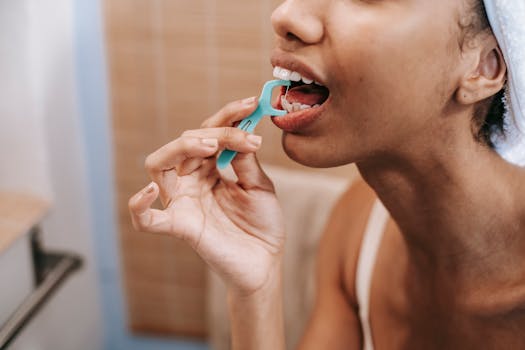
Flossing may seem straightforward, but following a proper technique ensures you’re actually removing debris and disrupting plaque. Here’s a step-by-step approach recommended by dental professionals:
1. $1: Break off about 18 inches (45 cm) of dental floss. This length allows you to use a fresh section for each tooth, reducing the risk of transferring bacteria. 2. $1: Wind most of the floss around the middle finger of one hand, and the rest around the same finger of the opposite hand. Use your thumbs and forefingers to guide the floss between your teeth, leaving about 1-2 inches taut. 3. $1: Glide the floss gently between your teeth using a zig-zag motion. Never snap the floss into the gums, as this can cause injury. 4. $1: Once the floss is between your teeth, curve it into a C shape against the side of one tooth. This allows the floss to hug the contour of your tooth and reach below the gumline without harming the tissue. 5. $1: Gently move the floss up and down, rubbing it along the side of the tooth and under the gumline. Repeat this on the adjacent tooth before moving to the next gap. 6. $1: Unwind a fresh section of floss as you move from tooth to tooth to avoid redepositing plaque. 7. $1: Make sure you floss the back side of your last molars—these areas are especially prone to plaque build-up.According to the Centers for Disease Control and Prevention (CDC), proper flossing, when combined with twice-daily brushing, can reduce the prevalence of gum disease and tooth decay by as much as 50%.
Choosing the Right Type of Dental Floss: A Comparative Guide
Not all dental floss is created equal. Different materials, thicknesses, and features cater to varying needs. Here’s a comparison table to help you select the right floss for your mouth:
| Type of Floss | Best For | Pros | Cons |
|---|---|---|---|
| Waxed Floss | Most users, especially those with tightly spaced teeth | Slides easily between teeth, less likely to shred | May feel thicker, sometimes leaves a waxy residue |
| Unwaxed Floss | Those who prefer a thinner floss or have regular spacing | Thinner, can fit in tight spaces, no residue | More likely to shred or break |
| Dental Tape | People with wider spaces between teeth | Flat, broad, covers more surface area | May not fit between very tight teeth |
| PTFE (Polytetrafluoroethylene) Floss | Anyone seeking a strong, shred-resistant floss | Extremely strong, glides smoothly | More expensive, sometimes less eco-friendly |
| Super Floss | Braces, bridges, or wide gaps | Stiff ends for threading, spongy for cleaning | More time-consuming, specialty product |
According to a 2022 consumer survey, 42% of respondents preferred waxed floss for ease of use, while 18% favored dental tape for larger spaces. If you have dental work such as braces, bridges, or implants, super floss or floss threaders may be necessary for reaching under wires and around hardware.
Common Flossing Mistakes and How to Avoid Them
Many people floss with the best intentions but inadvertently make mistakes that reduce effectiveness or cause discomfort. Here are the most frequent errors and how to fix them:
- $1: Forcing the floss into the space between teeth or snapping it down can injure your gums. Instead, gently guide it with a back-and-forth motion. - $1: A short piece doesn’t give you enough clean floss per tooth. The ADA recommends 18 inches so you can wind fresh sections around your fingers as you go. - $1: The area just under the gumline is where plaque loves to hide. Curve the floss into a C shape and gently clean beneath the gum without forcing it. - $1: The molars in the back of your mouth are just as susceptible to decay and gum disease. Don’t skip them. - $1: This spreads bacteria from one area to another. Always use a clean section for each tooth.According to a 2018 survey by the American Academy of Periodontology, 27% of adults admitted their flossing routine lasted less than 30 seconds—well short of the recommended 2-3 minutes required for effective cleaning.
Integrating Flossing Into Your Daily Dental Routine
Building a consistent flossing habit is crucial for long-term oral health. Here are some strategies to help you make flossing as routine as brushing:
- $1: Use a phone alarm or a sticky note on your bathroom mirror until flossing becomes automatic. - $1: Recent studies suggest flossing before brushing may be more effective at reducing plaque, as it loosens debris that brushing can then remove. - $1: For those with limited dexterity or who struggle with traditional floss, floss picks or holders can make the process easier and more convenient. - $1: Store your floss in a place you can’t miss—next to your toothbrush, in your purse, or at your desk for post-lunch care. - $1: Some people find motivation in tracking their habits. Mark a calendar or use a dental app to log your flossing streaks.According to the National Institutes of Health, people who floss daily report a 25% reduction in bad breath (halitosis) and a significant improvement in overall gum health.
When to Consider Alternatives: Flossing Aids and Adjuncts
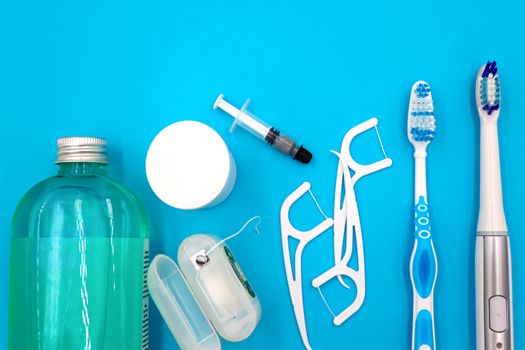
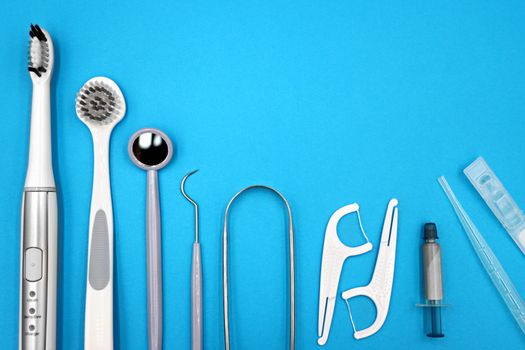
While traditional floss works for most people, some may benefit from adjunct tools, especially those with braces, arthritis, or limited mobility. Options include:
- $1: These devices use a pressurized stream of water to clean between teeth and under the gumline. A 2019 study in the Journal of Clinical Dentistry found water flossers reduced bleeding gums by up to 93% compared to brushing alone. - $1: Tiny brushes designed to clean larger gaps or areas around orthodontic appliances. - $1: Flexible tools for threading floss around braces, bridges, or implants.Consult your dentist to determine the best option based on your individual needs and oral anatomy.
Final Thoughts on Achieving Clean Teeth with Proper Flossing
Flossing is much more than an optional extra in your dental care routine—it’s a proven method for preventing cavities, gum disease, and bad breath. Developing the right technique takes practice, but the payoff is a cleaner, brighter, and healthier smile. Armed with the right knowledge, tools, and a consistent routine, you can ensure that every tooth surface is free from plaque and bacteria.
If you’re unsure about your flossing technique or which type of floss is right for you, don’t hesitate to ask your dental hygienist for a demonstration at your next visit. A few minutes a day spent flossing can add years of health to your teeth and gums.