Dental plaque is a sticky, colorless film of bacteria that constantly forms on our teeth and along the gumline. It’s the culprit behind cavities, gum disease, and even bad breath. While most people know that brushing and flossing are important, many aren’t aware of the specific techniques and daily habits that can dramatically reduce the risk of plaque buildup. Preventing plaque isn't just about brushing harder—it's about working smarter with a comprehensive approach to oral hygiene. In this article, we'll explore the science behind plaque formation, reveal lesser-known habits to integrate into your routine, and compare the effectiveness of various plaque-fighting strategies, all so you can keep your smile healthy and bright.
Understanding Dental Plaque: What Is It and Why Is It Harmful?
Dental plaque is a biofilm composed of bacteria, food particles, and saliva. According to the American Dental Association, plaque begins to form on your teeth just 4 to 12 hours after brushing. If not removed, it can harden into tartar (calculus) within 48 hours. This hardened substance can only be removed by dental professionals.
Why is plaque so problematic? The bacteria in plaque feed on sugars and starches left on your teeth from food and drinks. In the process, they produce acids that attack tooth enamel, starting the decay process. Additionally, plaque at the gumline can cause inflammation, leading to gingivitis, which affects nearly 47% of adults aged 30 and older in the United States, according to the CDC.
.png)
Perfecting Your Brushing Technique: More Than Just Routine
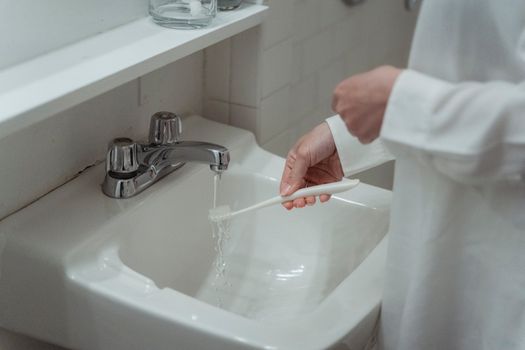
Brushing your teeth twice a day is standard advice, but the $1 matters just as much as the $1. Incomplete or improper brushing can leave as much as 40% of plaque behind, according to a study published in the Journal of Clinical Dentistry.
Here are expert-endorsed techniques to maximize plaque removal:
- $1 Hold your toothbrush at a 45-degree angle to the gumline. This position helps the bristles reach under the gum edge, where plaque often hides. - $1 Rather than scrubbing back and forth, use small, circular strokes. This motion is more effective at dislodging plaque without damaging gum tissue. - $1 Most adults brush for only 45 seconds. Use a timer or an electric toothbrush with a built-in timer to ensure you don’t rush. - $1 Plaque buildup occurs everywhere, not just on the front of your teeth. Pay close attention to the back teeth and the inner surfaces, especially behind the lower front teeth where tartar commonly accumulates.The Hidden Power of Interdental Cleaning Tools
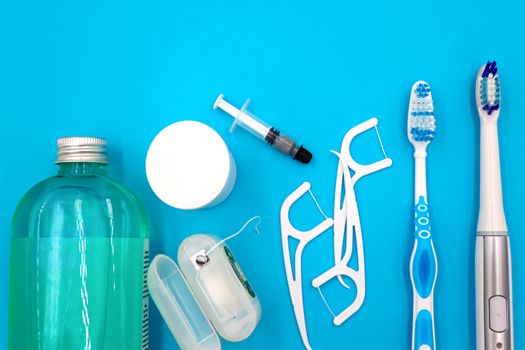
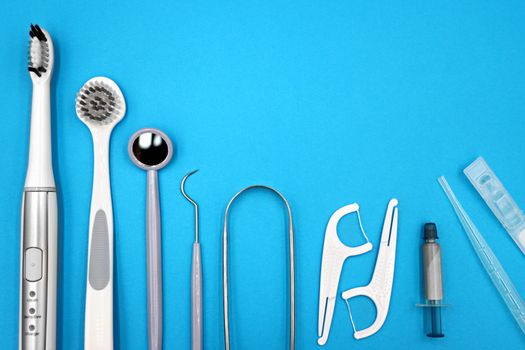
Flossing is vital, but there are several interdental cleaning options that can be even more effective for certain people. Regular dental floss removes about 80% of plaque between teeth, but interdental brushes and water flossers can reach areas that string floss sometimes misses, especially for those with braces, bridges, or wider gaps.
Let’s compare the most popular interdental cleaning tools:
| Tool | Best For | Plaque Removal Rate (%) | Ease of Use | Cost (Approx.) |
|---|---|---|---|---|
| Traditional Floss | Tight spaces between teeth | 80 | Moderate | $2-5/month |
| Interdental Brushes | Wider gaps, braces, bridges | 85-90 | Easy | $4-8/month |
| Water Flossers | Sensitive gums, orthodontic appliances | 85-95 | Very Easy | $30-70 (device) |
| Soft Picks | On-the-go cleaning, sensitive gums | 70-80 | Very Easy | $5-7/month |
A 2015 Cochrane review found that water flossers, when used daily, reduced bleeding gums by 93% more than string floss. Interdental brushes are especially effective for adults over 40, who are more likely to have gum recession and larger spaces between teeth.
Diet and Lifestyle Adjustments to Minimize Plaque Formation
What you eat—and how often you eat—directly affects plaque buildup. Bacteria thrive on sugars and starches, producing acid that can attack your teeth for up to 20 minutes after eating. Here are some dietary shifts that can dramatically impact oral health:
- $1 Frequent snacking keeps your mouth in an acid-attack state. Reserve sweets for mealtimes, when increased saliva helps neutralize acids. - $1 Crunchy produce like apples, carrots, and celery stimulate saliva production, which helps wash away food particles and neutralizes acids. - $1 Water rinses away debris and maintains a healthy saliva flow. In fact, people who sip water after meals have a 30% lower risk of plaque buildup, according to a 2019 study in the Journal of Oral Health. - $1 Chewing gum after meals stimulates saliva and can reduce plaque acids by up to 40%. Look for xylitol-sweetened gum, which has been shown to inhibit the growth of Streptococcus mutans, the main cavity-causing bacteria.Advanced Preventive Measures: Beyond Brushing and Flossing
To further reduce dental plaque, consider integrating these advanced strategies into your daily routine:
- $1 These chewable tablets temporarily stain plaque, making it visible so you can target areas you may be missing. Studies show that people who use disclosing agents regularly remove 20% more plaque compared to those who don’t. - $1 Mouthwashes containing chlorhexidine, cetylpyridinium chloride, or essential oils can reduce plaque and gingivitis when used as directed. A clinical trial published in the International Journal of Dental Hygiene found that chlorhexidine mouthwash reduced plaque by up to 50% after four weeks of use. - $1 Worn-out bristles are less effective at removing plaque. The American Dental Association recommends replacing your toothbrush every three to four months, or sooner if bristles are frayed. - $1 Even with the best home care, tartar can still form. Professional dental cleanings every six months remove tartar and allow your dentist to monitor your oral health.Building Sustainable Habits for Lifelong Plaque Prevention
Consistency is key when it comes to oral hygiene. Developing sustainable routines ensures that plaque doesn’t get the upper hand. Here are tips to help you stay on track:
- $1 Link brushing and flossing to daily habits, like after breakfast and before bed. - $1 Use smartphone alarms or apps to remind you to brush, floss, or use mouth rinse. - $1 Store toothbrushes, floss, and mouthwash in a prominent place to encourage use. - $1 Turn oral care into a group activity, especially for children, to foster healthy habits from a young age. - $1 Use a calendar or app to log your oral hygiene activities and celebrate streaks or milestones.Research supports the importance of routine: a study in the Journal of Periodontology found that individuals who maintained consistent oral hygiene habits over a five-year period had a 60% lower risk of developing gingivitis compared to those with sporadic routines.
Final Thoughts on Avoiding Dental Plaque
Preventing dental plaque is not just about brushing and flossing—it's about understanding the science of plaque, using the right techniques and tools, making smart dietary choices, and building sustainable habits. By adopting a comprehensive approach that combines effective cleaning methods, smart eating, and regular dental visits, you can dramatically reduce your risk for cavities and gum disease. Remember, every small improvement in your daily routine adds up to a lifetime of healthier smiles.