A Brighter Smile at Home: Safe and Effective Teeth Whitening Remedies
A dazzling, white smile is often associated with health, confidence, and beauty. According to the American Academy of Cosmetic Dentistry, 99.7% of adults believe a smile is a crucial social asset, and 74% feel an unattractive smile can impact career success. Unsurprisingly, teeth whitening has become a booming industry, with Americans spending over $1.4 billion annually on over-the-counter whitening products. However, not everyone wants to use commercial whitening kits or pay for professional treatments. Many individuals seek natural and affordable home remedies to whiten teeth without a dentist visit.
But do these remedies really work? And are they safe for your enamel and gums? In this comprehensive guide, we’ll explore proven and popular home remedies for teeth whitening, separate fact from fiction, and help you make informed, responsible choices for a whiter smile—right from your bathroom.
The Science Behind Tooth Discoloration
Before diving into whitening solutions, it’s essential to understand why teeth become discolored. There are two main categories of tooth stains:
.png) 1. Extrinsic stains: These affect the outer layer of the tooth (enamel) and are typically caused by foods, drinks (like coffee, tea, and red wine), tobacco, and poor oral hygiene.
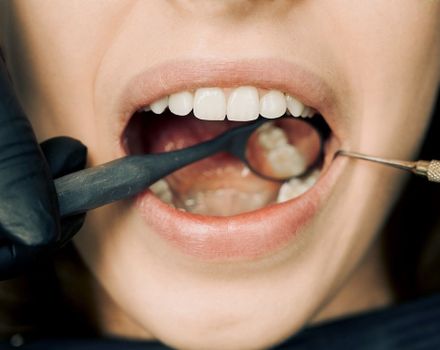
2. Intrinsic stains: These occur within the tooth’s structure and can result from aging, certain medications, trauma, or excessive fluoride exposure during childhood.
1. Extrinsic stains: These affect the outer layer of the tooth (enamel) and are typically caused by foods, drinks (like coffee, tea, and red wine), tobacco, and poor oral hygiene.
2. Intrinsic stains: These occur within the tooth’s structure and can result from aging, certain medications, trauma, or excessive fluoride exposure during childhood.
Most home remedies target extrinsic stains. Intrinsic discoloration often requires professional intervention. According to the American Dental Association (ADA), about 80% of visible stains are extrinsic, making them excellent candidates for at-home whitening methods.
Popular Home Remedies for Teeth Whitening: What Works?
Let’s examine some of the most discussed home remedies, looking at their effectiveness and safety:
Baking Soda and Hydrogen Peroxide
Baking soda (sodium bicarbonate) is mildly abrasive and can help remove surface stains. Hydrogen peroxide is a bleaching agent that lightens tooth color. Many DIY whitening pastes mix these two ingredients.A 2017 clinical review found that toothpastes with baking soda are more effective at stain removal than those without. However, excessive use of abrasive agents can erode enamel over time. The ADA suggests using baking soda no more than 2-3 times per week.
Hydrogen peroxide, in concentrations below 3%, is considered generally safe for short-term use. Some studies report noticeable whitening after 6 weeks of regular use. However, higher concentrations can cause tooth sensitivity and gum irritation. Always dilute hydrogen peroxide before use—never use straight from the bottle.
Oil Pulling
This ancient practice involves swishing oil (usually coconut, sunflower, or sesame oil) in the mouth for 10-20 minutes. Proponents claim it removes toxins and whitens teeth.Scientific evidence is limited. A 2015 study published in the Journal of Clinical and Diagnostic Research found that oil pulling with coconut oil reduced plaque and gingivitis but had minimal whitening effect. It is safe and can improve oral health, but dramatic whitening should not be expected.
Strawberry and Baking Soda Paste
Strawberries contain malic acid, believed to help dissolve surface stains. A popular home remedy involves mashing strawberries and mixing with baking soda to create a paste.While this mixture may provide a short-term brightening effect, a 2015 study in Operative Dentistry found that it does not significantly whiten teeth and the acid can soften enamel if used excessively. Use this method sparingly, and always rinse thoroughly afterwards.
Activated Charcoal
Activated charcoal has surged in popularity as a natural teeth whitener, with many commercial toothpastes and powders available. The fine, porous texture is said to absorb surface stains.However, a 2020 review in the British Dental Journal cautions that charcoal is abrasive and may erode enamel with frequent use. There is little clinical evidence supporting significant whitening benefits. The ADA does not recommend charcoal for teeth whitening due to safety concerns.
Apple Cider Vinegar
Apple cider vinegar (ACV) is touted as a natural cleanser and whitener. While it has antibacterial properties, ACV is acidic (pH around 3) and can weaken enamel, making teeth more susceptible to stains and decay. Dentists strongly advise limiting its use and never brushing directly after applying ACV.Comparing Common Home Whitening Remedies
To help you evaluate the options, here’s a comparison of popular home whitening remedies based on effectiveness, safety, and cost:
| Remedy | Whitening Effectiveness | Safety | Estimated Cost |
|---|---|---|---|
| Baking Soda & Hydrogen Peroxide | Moderate (noticeable in 2-6 weeks) | Generally safe if used 2-3x/week | Low ($2-$5/month) |
| Oil Pulling (Coconut Oil) | Low (minimal whitening) | Very safe for daily use | Low ($5-$10/month) |
| Strawberry & Baking Soda Paste | Low to Moderate (temporary effect) | Safe if used sparingly | Low ($3-$7/month) |
| Activated Charcoal | Low (insufficient evidence) | Potentially unsafe (abrasive) | Moderate ($10-$15/month) |
| Apple Cider Vinegar | Low (not recommended) | Unsafe (acidic, can erode enamel) | Low ($3-$5/month) |
Safe Practices for Home Teeth Whitening
While home remedies can be tempting, safety should always come first. Here are some essential guidelines to protect your teeth and gums:
– Limit abrasive or acidic substances: Frequent use of baking soda, charcoal, or acidic fruits can wear away enamel, leading to sensitivity and increased risk of cavities. – Never use undiluted hydrogen peroxide or ACV: Always dilute these liquids and avoid prolonged contact with teeth. – Monitor for sensitivity: If you notice increased tooth sensitivity or gum irritation, stop the remedy and consult a dentist. – Use a soft-bristled toothbrush: This minimizes abrasion during brushing and prevents enamel erosion. – Maintain good oral hygiene: Brush twice daily with fluoride toothpaste, floss daily, and rinse with water after consuming staining foods or drinks.
Foods and Habits That Naturally Support Whiter Teeth
In addition to home remedies, certain dietary and lifestyle choices can help maintain a bright smile:
– Crunchy fruits and vegetables: Apples, carrots, and celery act as natural toothbrushes, scrubbing away plaque and stimulating saliva production. – Dairy products: Cheese, milk, and yogurt contain calcium and phosphorus, which help strengthen enamel and neutralize acids. – Water: Drinking water throughout the day flushes away food particles, bacteria, and staining agents. – Avoid staining substances: Limit coffee, tea, red wine, cola, and tobacco. If you indulge, rinse your mouth with water afterwards. – Chewing sugar-free gum: This increases saliva flow, helping to clean teeth between meals.
When to See a Dentist for Teeth Whitening
While home remedies are suitable for mild, extrinsic stains, some situations require professional care:
– Intrinsic discoloration: Deep stains caused by trauma, medications, or developmental conditions are unlikely to respond to surface treatments. – Persistent or worsening stains: If stains do not improve or worsen with home remedies, a dental evaluation is needed to rule out underlying issues. – Tooth sensitivity or pain: Whitening agents can exacerbate sensitivity. Persistent discomfort indicates the need for professional advice. – Restorations: Fillings, crowns, and veneers do not respond to whitening treatments and may require replacement for color matching.
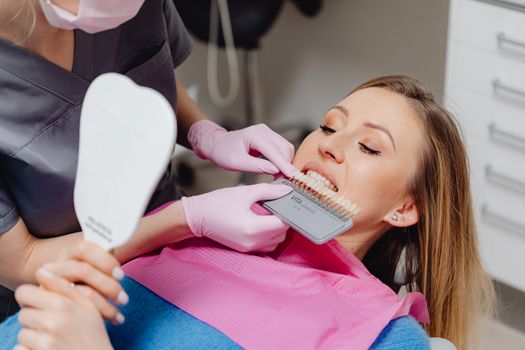
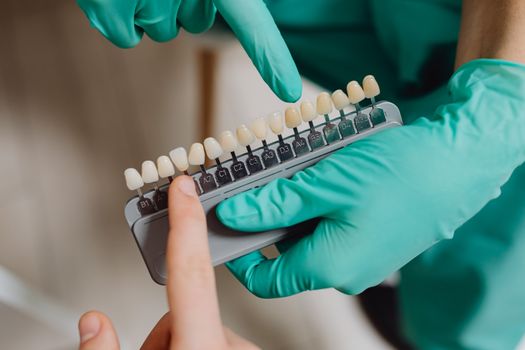
Professional whitening treatments are more potent and safer, thanks to custom trays, carefully controlled concentrations, and dental supervision. According to the ADA, in-office whitening can lighten teeth by up to eight shades in a single visit, while at-home kits from a dentist can achieve similar results over a few weeks.
Final Thoughts on Home Remedies for Teeth Whitening
Home remedies for teeth whitening can provide modest improvements in brightness, especially for surface stains. Baking soda and hydrogen peroxide, when used wisely, offer the best balance of effectiveness and safety. Other popular methods, like oil pulling and fruit-based pastes, may benefit oral health but offer limited whitening results.
For lasting, safe results, always prioritize gentle methods, maintain excellent oral hygiene, and be cautious with abrasive or acidic substances. Remember, the healthiest smile is not just the whitest—strong, cavity-free teeth and healthy gums are equally important. When in doubt or seeking a dramatic transformation, consult your dentist for tailored advice and professional options.