Regular tongue cleaning is a simple yet often overlooked habit with significant benefits for oral health and overall well-being. While brushing and flossing are essential daily practices, the tongue can harbor bacteria, food particles, and dead cells that contribute to bad breath, dental problems, and even systemic health issues. In this article, we’ll explore why regular tongue cleaning is important, examine what happens if you skip this step, and offer clear guidance on how to incorporate tongue cleaning into your daily routine for a fresher mouth and a healthier life.
The Hidden World of the Tongue: Why It Needs Cleaning
Most people focus on their teeth and gums, but the tongue plays a crucial role in oral health. The surface of the tongue is covered in tiny bumps called papillae, which create a textured landscape where bacteria and debris can easily become trapped. According to a 2022 study published in the Journal of Oral Microbiology, the human tongue can house over 700 different types of bacteria. Many of these bacteria contribute to volatile sulfur compounds (VSCs), which are responsible for bad breath (halitosis).
Neglecting tongue cleaning means allowing these microorganisms to thrive. As a result, even if you brush and floss diligently, you might still experience persistent bad breath or an unpleasant taste in your mouth. In fact, research reveals that up to 90% of cases of halitosis originate within the oral cavity, and the tongue is a primary source.
.png)
Key facts:
- The tongue can host more than 700 different bacterial species. - Up to 90% of halitosis cases are linked to oral sources, mainly the tongue. - A 2019 study found that regular tongue cleaning reduced mouth odor by 60% compared to brushing alone.Health Benefits of Regular Tongue Cleaning
The advantages of tongue cleaning extend far beyond fresher breath. Here are some evidence-based benefits you can expect from making this practice a daily habit:
1. $1 By removing the bacterial buildup that causes VSCs, tongue cleaning is one of the most effective ways to eliminate bad breath. 2. $1 A coated tongue can dull your taste buds. Studies show that removing debris from the tongue can improve taste perception by as much as 40%. 3. $1 Tongue cleaning helps reduce the bacterial load in the mouth, minimizing the risk of tooth decay, gum disease, and plaque formation. 4. $1 Saliva production begins in the mouth and is aided by a clean tongue. This supports better digestion and nutrient absorption. 5. $1 Oral bacteria have been linked to conditions such as heart disease and diabetes. Keeping the tongue clean can reduce the risk of bacteria entering the bloodstream.What Happens If You Don’t Clean Your Tongue?
While the benefits of tongue cleaning are clear, it’s equally important to understand the potential consequences of skipping this step in your oral hygiene routine. Here’s what can happen when the tongue is neglected:
- $1 Even with regular brushing and flossing, a coated tongue can be the main source of chronic halitosis. - $1 Bacteria from the tongue can transfer to teeth and gums, increasing plaque buildup and the risk of cavities or gum disease. - $1 A buildup of debris can form a white or yellowish coating, dulling your sense of taste. - $1 Excess bacteria may lead to oral thrush or other infections, particularly in individuals with weakened immune systems.A 2020 survey by the American Dental Association found that only 30% of Americans regularly clean their tongues, despite these risks. Clearly, awareness and education are needed.
Tongue Cleaning Tools: Scraper vs. Toothbrush
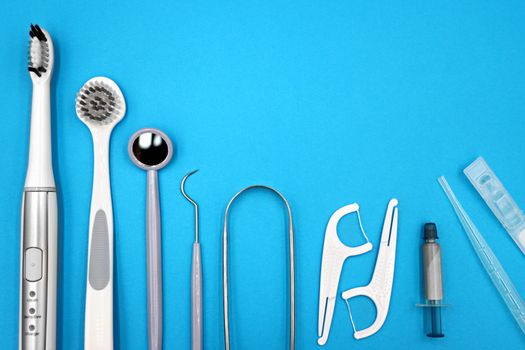
There are several ways to clean your tongue effectively, but not all methods are equally efficient. The two most common tools are tongue scrapers and toothbrushes. Each has its pros and cons, as illustrated in the table below:
| Tool | Effectiveness | Ease of Use | Cost | Recommended By Dentists |
|---|---|---|---|---|
| Tongue Scraper | Removes up to 75% of bacteria and debris in one use | Simple, typically one to two swipes required | $2 – $10 (reusable) | Yes, most dental professionals recommend |
| Toothbrush | Removes about 30-40% of bacteria and debris | Convenient, as part of regular brushing | Already owned | Acceptable, but less effective than scraper |
As the table demonstrates, tongue scrapers are more effective at removing the biofilm layer, while toothbrushes can be a convenient alternative but aren’t as thorough. Some toothbrushes now feature a textured back designed for tongue cleaning, offering a middle ground.
How to Clean Your Tongue: Step-by-Step Instructions
Incorporating tongue cleaning into your daily routine is quick and easy once you know how. Follow these steps for optimal results:
1. $1 Select a tongue scraper (plastic or metal) or use the back of your toothbrush if it has a textured surface. 2. $1 Rinse your mouth with water to loosen debris. 3. $1 - Stick out your tongue as far as comfortable. - Place the scraper or brush as far back on the tongue as possible (without gagging). - Gently pull the scraper or brush forward, applying light pressure. - Rinse the tool after each pass. - Repeat 2-3 times, covering the entire surface of the tongue. 4. $1 After cleaning, rinse your mouth thoroughly with water or mouthwash. 5. $1 Wash the scraper or toothbrush head to prevent bacterial growth.For best results, clean your tongue once or twice daily, preferably after brushing your teeth in the morning and before bed.
Common Myths and Misconceptions About Tongue Cleaning
Despite its benefits, several myths surround tongue cleaning. Let’s set the record straight:
- $1 Mouthwash alone is enough to clean the tongue. - $1 While mouthwash can reduce bacteria, it does not physically remove the biofilm that accumulates on the tongue’s surface. - $1 Tongue cleaning is only necessary if you have bad breath. - $1 Even people with fresh breath can have harmful bacteria on their tongues that contribute to oral and systemic health issues. - $1 Tongue cleaning causes gagging or is painful. - $1 With gentle technique and the right tool, most people can clean their tongue comfortably. Gagging often subsides with practice. - $1 Children don’t need to clean their tongue. - $1 Starting tongue cleaning early can establish lifelong oral hygiene habits and prevent future problems.Integrating Tongue Cleaning Into Your Oral Care Routine
A holistic approach to oral hygiene includes brushing, flossing, rinsing, and tongue cleaning. Here are some practical tips to help make tongue cleaning a regular part of your routine:
- $1 Place your tongue scraper next to your toothbrush so you remember to use it. - $1 Encourage everyone in your household to clean their tongue, including children (with supervision). - $1 Invest in a small, portable tongue scraper for use on the go. - $1 Notice improvements in breath freshness and taste, which can motivate you to keep up the habit.Remember, consistency is key. Just as skipping brushing or flossing can have negative consequences, neglecting tongue cleaning can undermine your oral health efforts.
Final Thoughts on the Importance and Practice of Tongue Cleaning
Regular tongue cleaning is a small investment of time with substantial returns for your oral health, confidence, and even your overall well-being. With proven benefits ranging from fresher breath to improved taste and reduced disease risk, there’s every reason to add this step to your daily hygiene regimen. Armed with the right tools and techniques, you can enjoy a cleaner mouth and a brighter, healthier smile.