As people age, their dental needs evolve in unique and sometimes challenging ways. Dental care for seniors is about much more than just brushing and flossing—it’s a proactive, holistic approach that considers the interplay between oral health, chronic illnesses, medications, changing dexterity, and even nutrition. While good dental habits are important at every age, the senior years bring specific risks and opportunities for maintaining a healthy, confident smile. In this comprehensive guide, we’ll explore the distinct dental challenges seniors face, the latest advancements in geriatric dental care, and actionable steps to preserve oral health well into advanced age.
The Unique Dental Challenges Seniors Face
Aging affects the body in myriad ways, and the mouth is no exception. According to the Centers for Disease Control and Prevention (CDC), nearly 1 in 5 adults aged 65 or older have untreated tooth decay, and 68% have gum disease. These issues are not just cosmetic—poor oral health in seniors is linked to heart disease, diabetes, pneumonia, and even cognitive decline.
Key challenges include:
- Gum recession: As we age, gums naturally recede, exposing tooth roots to decay and sensitivity. - Dry mouth (xerostomia): A common side effect of over 500 medications, dry mouth increases cavity risk and affects speech, taste, and swallowing. - Tooth loss: Nearly 1 in 6 adults over 65 have lost all their teeth, impacting nutrition and self-esteem. - Reduced dexterity: Conditions like arthritis can make brushing and flossing more difficult. - Medical conditions: Diabetes, stroke, and dementia can complicate oral care routines and elevate risk for oral infections.Understanding these unique challenges is the first step toward targeted, effective dental care for seniors.
.png)
The Link Between Oral Health and Overall Wellbeing in Seniors
Oral health isn’t just about teeth—it’s a window into overall wellness. Research shows that poor dental health in seniors is associated with several serious health conditions:
- Heart Disease: Bacteria from gum disease can enter the bloodstream, contributing to arterial inflammation and increasing heart attack and stroke risk. - Diabetes: Gum disease makes it harder to control blood sugar, and high blood sugar worsens gum infections—a dangerous cycle. - Pneumonia: Seniors with poor oral hygiene are at greater risk for aspiration pneumonia, as harmful bacteria from the mouth can be inhaled into the lungs. - Malnutrition: Missing teeth or ill-fitting dentures can make chewing difficult, leading to inadequate nutrition and weight loss.A 2023 study in the Journal of the American Geriatrics Society found that seniors with regular dental visits had a 23% lower risk of hospitalization for cardiovascular events. Prioritizing dental care isn’t just about preventing cavities—it’s an investment in whole-body health.
Modern Solutions: Advances in Senior Dental Care
Advancements in dental technology and treatment methods have significantly improved the outlook for seniors seeking to maintain or restore their oral health. Here are some of the most impactful innovations:
- Dental Implants: More durable and lifelike than ever, implants now boast a success rate of over 95%, offering a secure alternative to traditional dentures. - Mini Implants: These smaller-diameter implants are ideal for seniors with reduced bone density, offering a less invasive option with quicker healing times. - Soft Denture Liners: New materials make dentures more comfortable for sensitive gums, reducing sore spots and improving fit. - Electric Toothbrushes: Modern models are designed for those with limited mobility, featuring ergonomic handles and built-in timers to ensure thorough cleaning. - Teledentistry: Virtual consultations allow seniors with mobility issues or those in rural areas to receive expert advice without leaving home.These innovations mean that today’s seniors have more choices—and more effective options—than ever before.
Comparing Dental Treatment Options for Seniors
Navigating the landscape of dental treatments can be overwhelming, especially when considering comfort, cost, and long-term outcomes. The table below compares common solutions for seniors dealing with tooth loss:
| Treatment | Average Lifespan | Comfort | Maintenance | Cost (USD) |
|---|---|---|---|---|
| Traditional Dentures | 5-8 years | Moderate (can slip) | Daily cleaning, possible adhesives | $1,000 - $3,000 per arch |
| Denture with Soft Liner | 5-8 years (liner 1-2 years) | High (gentler on gums) | Liner replacement, daily cleaning | $1,200 - $3,500 per arch |
| Dental Implants | 15+ years | Very high (feels natural) | Brush & floss like natural teeth | $3,000 - $5,000 per implant |
| Implant-Supported Dentures | 10-20 years | High (stable, no slipping) | Remove for cleaning, regular exams | $7,000 - $30,000 (full mouth) |
This comparison highlights the importance of balancing comfort, longevity, and budget when choosing dental treatments in advanced age.
Practical Tips for Maintaining Oral Health in Advanced Age
While professional treatments are crucial, daily habits still form the backbone of dental care for seniors. Here are actionable steps to help maintain healthy teeth and gums well into your golden years:
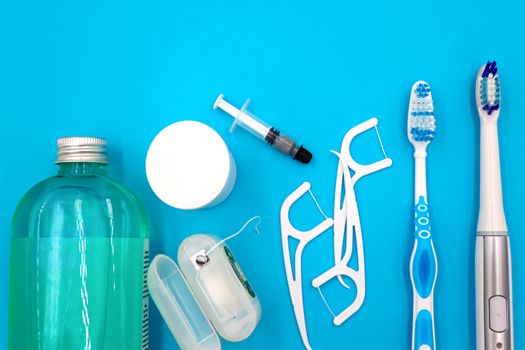
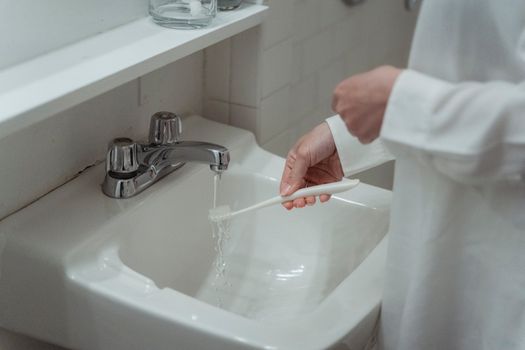
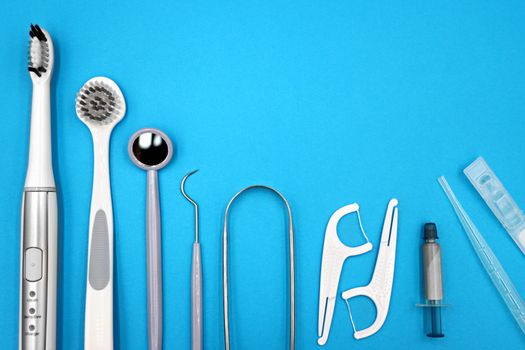
1. Choose the Right Tools: Opt for electric toothbrushes with larger handles and soft bristles to accommodate arthritis or reduced grip strength. 2. Use Fluoride Toothpaste and Mouthwash: Fluoride is vital for strengthening enamel and reducing decay, especially if you have exposed tooth roots. 3. Stay Hydrated and Combat Dry Mouth: Sip water frequently and consider sugar-free gum or lozenges to stimulate saliva. Avoid tobacco, caffeine, and alcohol, which worsen dryness. 4. Clean Dentures Daily: Remove and soak dentures overnight, brush them thoroughly, and rinse before reinserting. 5. Schedule Regular Dental Visits: The American Dental Association recommends at least two checkups per year, even for those with dentures. 6. Pay Attention to Nutrition: Incorporate calcium-rich foods like dairy, leafy greens, and almonds to support bone and tooth health. Limit sugary snacks and acidic beverages.Even minor adjustments, like using floss picks or interdental brushes, can make a big difference in maintaining oral hygiene when dexterity is an issue.
Recognizing Warning Signs and When to Seek Help
Many seniors mistakenly believe that oral discomfort or tooth loss is a natural part of aging. In reality, these can be signs of preventable issues that require timely intervention. Seek professional dental care if you notice:
- Persistent dry mouth or bad breath - Bleeding, swollen, or receding gums - Loose teeth or dentures that no longer fit properly - Sores, lumps, or white patches in the mouth - Difficulty chewing or swallowingDelaying treatment can result in more complex—and costly—problems down the road. Early intervention is key to preserving both oral and overall health.
How Family and Caregivers Can Support Senior Oral Health
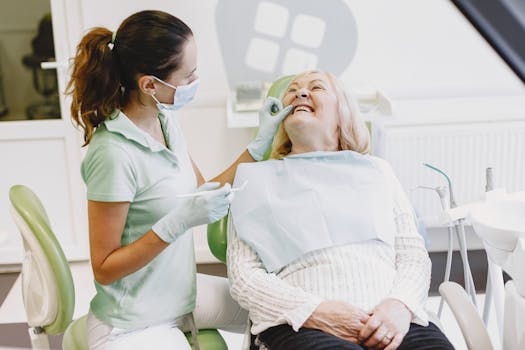
For seniors facing cognitive or physical limitations, family members and caregivers play a critical role in supporting daily oral care. Strategies include:
- Establishing a daily dental routine and using reminder tools or smartphone apps - Assisting with brushing and flossing when necessary - Monitoring for signs of oral discomfort or changes in eating habits - Coordinating regular dental appointments and transportation - Communicating with dental professionals about medical history and medicationsA 2021 survey by the Oral Health Foundation found that seniors with caregiver support were 35% more likely to have regular dental checkups and reported fewer oral health problems.
Final Thoughts on Dental Care for Seniors
Maintaining healthy teeth in advanced age is not just about preserving a bright smile—it’s about safeguarding quality of life, nutrition, and even longevity. Modern dentistry offers more solutions than ever before, from advanced implants to user-friendly tools that compensate for physical limitations. By understanding the unique oral health risks associated with aging, adopting proactive habits, and seeking timely professional care, seniors and their families can enjoy the benefits of a healthy mouth for years to come.