The Significance of Dental Hygiene in Preventing Oral Diseases
Oral health is a cornerstone of overall well-being, yet it's often overlooked until problems arise. Dental hygiene is much more than just keeping your teeth white—it's the frontline defense against a host of oral diseases that can impact not just your mouth, but your general health. According to the World Health Organization, nearly 3.5 billion people worldwide are affected by oral diseases, making effective dental hygiene practices essential for everyone. In this article, we'll explore the critical role dental hygiene plays in preventing oral diseases, delve into the science behind common conditions, and highlight why consistent care matters at every age.
The Link Between Dental Hygiene and Oral Disease Prevention
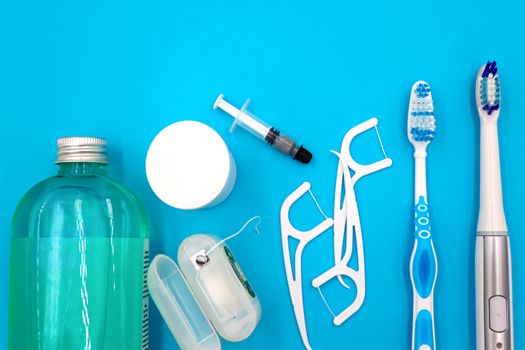
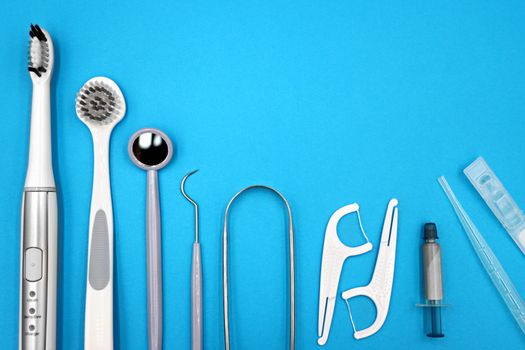
Dental hygiene refers to the practices that keep the mouth clean and healthy, primarily through brushing, flossing, and professional dental care. These practices target the primary cause of most oral diseases: the accumulation of dental plaque. Plaque is a sticky, colorless film of bacteria that forms on teeth and gums. If not removed regularly, plaque hardens into tartar and becomes a breeding ground for bacteria, leading to gum disease, cavities, and other infections.
The American Dental Association reports that gum disease (periodontal disease) and tooth decay (dental caries) are the two most common oral health problems. Gum disease affects nearly 47% of adults over the age of 30 in the United States, while dental caries is the most prevalent chronic disease in both children and adults.
.png)
Effective dental hygiene interrupts the cycle of plaque formation, reducing the risk of disease. Research has shown that individuals who maintain optimal oral hygiene are up to 60% less likely to develop gum disease compared to those with poor habits.
Understanding Common Oral Diseases and Their Impact
Oral diseases are not limited to toothaches and cavities; they encompass a range of conditions that can have significant consequences if left unchecked. Here are some of the most prevalent oral diseases and how dental hygiene can help prevent them:
1. Dental Caries (Tooth Decay) Tooth decay results from the breakdown of tooth enamel by acids produced by bacteria in plaque. According to the Centers for Disease Control and Prevention (CDC), 90% of adults aged 20-64 have had at least one cavity. 2. Periodontal Disease (Gum Disease) This condition ranges from mild gum inflammation (gingivitis) to severe infection that can destroy the soft tissue and bone supporting the teeth (periodontitis). The CDC estimates that severe gum disease affects 9% of adults worldwide. 3. Oral Infections and Abscesses Poor dental hygiene increases the risk of infections, which can lead to abscesses—painful, pus-filled swellings that may require surgical intervention. 4. Oral Cancer While not directly caused by poor hygiene, chronic inflammation from conditions like gum disease has been linked to an increased risk of oral cancer. Early detection and prevention through good dental hygiene are crucial. 5. Halitosis (Chronic Bad Breath) Persistent bad breath is often a sign of underlying oral disease. Regular cleaning removes odor-causing bacteria and helps keep breath fresh.Dental Hygiene Through the Ages: Why It Matters at Every Stage of Life
Dental hygiene is a lifelong commitment. The needs and challenges vary at different ages, but the core principles remain the same. Here's a look at how dental hygiene impacts oral disease prevention across various life stages:
Infants and Children: Baby teeth are vulnerable to decay from the moment they emerge. Early childhood caries (ECC) affects more than 530 million children worldwide. Establishing good dental hygiene habits—like brushing with a fluoride toothpaste and regular dental checkups—can set the foundation for a lifetime of healthy smiles.
Teens and Young Adults: Orthodontic treatments, hormonal changes, and lifestyle choices (such as sugary sodas and tobacco) can increase the risk of oral diseases. Consistent brushing, flossing, and professional cleanings help mitigate these risks.
Adults: Stress, diet, and medical conditions like diabetes can affect oral health. Adults are also more susceptible to gum disease, which is a leading cause of tooth loss. Maintaining rigorous dental hygiene practices is vital.
Seniors: Age-related changes such as dry mouth, medication side effects, and diminished dexterity can make oral care more challenging. However, dental hygiene remains essential for preventing tooth decay, gum disease, and even pneumonia, which can be caused by oral bacteria.
The Economic and Social Impact of Poor Dental Hygiene
The consequences of inadequate dental hygiene extend beyond health—they have significant economic and social ramifications. Globally, oral diseases account for an estimated $442 billion in direct and indirect costs annually, according to the FDI World Dental Federation.
Lost Productivity: In the United States alone, over 34 million school hours and $45 billion in productivity are lost each year due to unplanned dental visits.
Healthcare Burden: Diseases like untreated cavities and periodontal disease can lead to expensive emergency treatments, hospitalizations, and chronic health issues, increasing the strain on healthcare systems.
Social and Psychological Effects: Oral diseases can cause pain, difficulty eating or speaking, and embarrassment due to visible decay or bad breath. Studies have linked poor oral health to lower self-esteem and reduced quality of life.
Comparing Dental Hygiene Practices: What Works Best?
There are various dental hygiene practices, each with different levels of effectiveness in preventing oral diseases. The table below summarizes common methods and their proven impact based on scientific studies:
| Practice | Frequency | Effectiveness in Reducing Gum Disease | Effectiveness in Preventing Cavities |
|---|---|---|---|
| Brushing with fluoride toothpaste | Twice daily | Up to 60% reduction | Up to 40% reduction |
| Flossing | Once daily | Up to 30% reduction | Up to 20% reduction |
| Professional dental cleaning | Every 6 months | Up to 50% reduction | Up to 30% reduction |
| Antimicrobial mouthwash | Once daily | Up to 20% reduction | Minimal direct impact |
These findings underscore the importance of a multi-faceted approach to dental hygiene. Brushing and flossing remain the most effective daily routines, while regular professional care provides an extra layer of protection.
The Connection Between Oral Health and Systemic Diseases
Modern research has revealed that oral health is intricately linked to overall health. Conditions such as diabetes, heart disease, respiratory infections, and adverse pregnancy outcomes have been associated with poor oral hygiene and untreated oral diseases.
For example, individuals with gum disease are up to twice as likely to develop heart disease. Bacteria from the mouth can enter the bloodstream, contributing to inflammation and the formation of arterial plaque. Pregnant women with untreated gum disease have a higher risk of premature birth and low birth weight babies.
Diabetes is another condition closely tied to oral health. People with diabetes are more prone to gum disease, and severe gum disease can make it harder to control blood sugar, creating a dangerous cycle.
These systemic links highlight why dental hygiene should be a priority not only for oral disease prevention but also for maintaining overall health.
New Technologies and Innovations in Dental Hygiene
Advancements in dental technology are making it easier than ever to maintain optimal oral hygiene and prevent diseases. Some notable innovations include:
Electric Toothbrushes: Studies show that electric toothbrushes remove up to 21% more plaque than manual brushes and are especially beneficial for people with limited dexterity.
Smart Toothbrushes: These devices connect to smartphone apps to provide real-time feedback on brushing technique, ensuring users don’t miss hard-to-reach areas.
Water Flossers: Effective for removing debris and bacteria from between teeth and below the gumline, especially useful for individuals with braces or dental implants.
Antimicrobial Coatings: Some toothbrushes and dental devices now feature antimicrobial coatings to reduce bacterial growth between uses.
These tools, combined with traditional methods, are making dental hygiene more effective and accessible for people of all ages.
Conclusion
The significance of dental hygiene in preventing oral diseases cannot be overstated. From reducing the risk of cavities and gum disease to lowering the chances of systemic health complications, good oral care is one of the simplest yet most powerful habits you can adopt. With billions affected by oral diseases worldwide and substantial economic and social costs, prioritizing dental hygiene is an investment in both personal and public health. Embrace consistent dental care, leverage new technologies, and partner with dental professionals to ensure a healthy smile for life.