Maintaining oral hygiene is a cornerstone of overall health, and choosing the right toothbrush plays a pivotal role in that daily routine. With the shelves packed with both electric and manual toothbrushes, many people are left wondering: which is truly better for their teeth and lifestyle? This detailed comparison of electric and manual toothbrushes aims to clear up the confusion, presenting the latest facts, expert opinions, and practical considerations so you can make an informed decision that fits your unique needs.
The Mechanics Behind Electric and Manual Toothbrushes
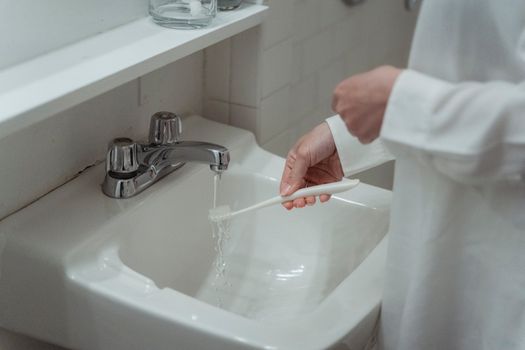
Before weighing the advantages and drawbacks, it’s crucial to understand how electric and manual toothbrushes function. Manual toothbrushes are the traditional tool—simple, hand-powered devices that have been used for centuries. They require you to move the brush in the recommended motions, relying on your technique and consistency.
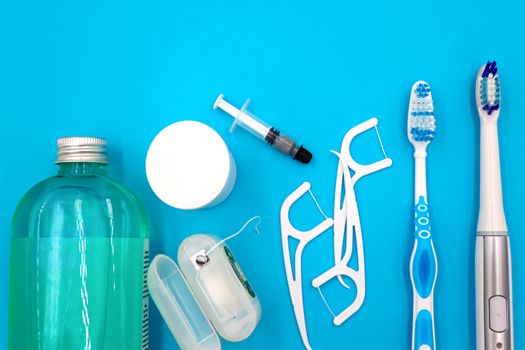
Electric toothbrushes, on the other hand, use battery power (either disposable or rechargeable) to move the bristles rapidly, often in oscillating, rotating, or sonic motions. According to the American Dental Association, the most common types of electric toothbrushes are oscillating-rotating and sonic. Oscillating-rotating brushes typically make 7,600–8,800 movements per minute, while sonic brushes can vibrate at up to 31,000 strokes per minute. This significant mechanical difference is at the core of the debate over which type is more effective.
.png)
Cleaning Effectiveness: What Does the Science Say?
The effectiveness of a toothbrush is ultimately measured by its ability to remove plaque and reduce the risk of gum disease. Numerous scientific studies have compared electric and manual brushes, and the findings are illuminating.
A comprehensive review published by the Cochrane Oral Health Group in 2014 analyzed data from 56 clinical trials involving over 5,000 participants. The results showed that, on average, electric toothbrushes reduced dental plaque by 21% more and gingivitis by 11% more after three months of use compared to manual toothbrushes.
Another study from the Journal of Clinical Periodontology (2019) followed participants for 11 years and found those who used electric toothbrushes had 18% less tooth loss compared to manual users. These findings suggest that electric toothbrushes can offer a measurable edge in maintaining long-term oral health, particularly in reducing plaque and protecting gum health.
However, it’s important to note that technique matters. Dentists consistently emphasize that a manual toothbrush, when used correctly for at least two minutes twice a day, can also keep teeth and gums healthy. The advantage of an electric toothbrush often lies in its ability to compensate for inconsistent brushing technique, especially among children, elderly individuals, or those with limited dexterity.
User Experience: Comfort, Convenience, and Accessibility
Beyond cleaning power, the daily experience of using a toothbrush can influence your choice. Manual toothbrushes are lightweight, portable, and require no batteries or charging. They’re easy to pack for travel, available in a wide array of shapes, sizes, and bristle types, and are typically inexpensive—averaging $1 to $3 per brush.
Electric toothbrushes, while generally larger and heavier, offer several user-friendly features. Many models include built-in timers to ensure you brush for the recommended two minutes, pressure sensors to prevent brushing too hard, and even Bluetooth connectivity to track your brushing habits via smartphone apps. These features are particularly helpful for those who struggle with motivation or technique.
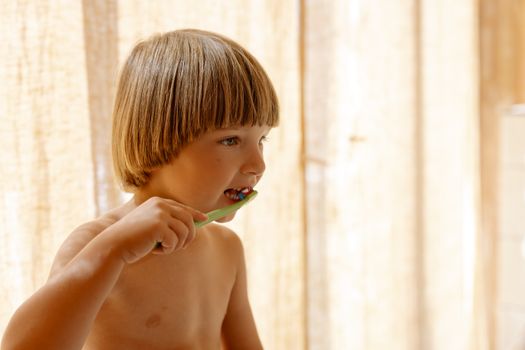
For people with arthritis, disabilities, or limited hand mobility, electric toothbrushes can be a game-changer. The powered bristle movement reduces the need for manual dexterity, making it easier to achieve a thorough clean. Pediatric dentists also recommend electric toothbrushes for children, as the novelty and ease of use can encourage better brushing habits.
Cost Comparison: Upfront Investment vs. Long-Term Value
Cost is a significant factor for many consumers. Manual toothbrushes are affordable and widely available. However, they should be replaced every three to four months, or sooner if the bristles become frayed.
Electric toothbrushes come with a higher upfront price. Entry-level models start around $20, while top-tier options with advanced features can exceed $200. Replacement brush heads typically cost $5 to $10 each and should also be changed every three months.
To help you compare at a glance, here’s a table outlining typical costs:
| Toothbrush Type | Initial Cost | Replacement Head/Brush | Annual Cost (Estimate) | Average Lifespan |
|---|---|---|---|---|
| Manual | $1–$3 | $1–$3 (every 3 months) | $4–$12 | Disposable |
| Electric (Basic) | $20–$50 | $5–$10 (every 3 months) | $40–$90 | 3–5 years (handle) |
| Electric (Advanced) | $80–$200+ | $7–$15 (every 3 months) | $60–$140 | 5+ years (handle) |
While electric toothbrushes cost more upfront, many users find the additional features and potential for improved oral health justify the investment. For families, the cost of replacement heads should also be considered, as each family member will need their own.
Sustainability and Environmental Impact
With growing environmental awareness, many consumers are now considering the ecological footprint of their oral care products. Manual toothbrushes, typically made from plastic, contribute to landfill waste—an estimated one billion toothbrushes are discarded each year in the United States alone.
Electric toothbrushes present their own challenges. While the handles can last for years, the heads must be replaced regularly, and most are made from non-recyclable plastic. Additionally, electric models rely on batteries (some of which are built-in and rechargeable, others disposable), and the electronics add to e-waste at the end of the product’s life.
Some brands are now offering biodegradable manual toothbrushes made from bamboo and recyclable electric brush heads, but these options are still limited. If sustainability is a priority for you, look for toothbrushes and heads designed with eco-friendly materials or recycling programs.
Which Toothbrush Is Right for You?
There is no one-size-fits-all answer, as the ideal toothbrush depends on your personal needs, preferences, and health circumstances. Here are a few key considerations:
- $1 If you have a history of gum disease, struggle with plaque buildup, or have limited dexterity, an electric toothbrush may provide more effective cleaning and ease of use. - $1 Manual toothbrushes are friendly for any budget, while electric models require a larger initial investment and ongoing cost for replacement heads. - $1 Frequent travelers or those who prefer simplicity may opt for manual brushes, while tech enthusiasts or those motivated by tracking tools may appreciate the features of an electric brush. - $1 Electric toothbrushes can encourage better habits and make brushing easier for young children and older adults.Ultimately, no matter which type you choose, brushing twice daily with a fluoride toothpaste, flossing, and regular dental check-ups remain the gold standard for oral health.
Final Thoughts on Choosing Between Electric and Manual Toothbrushes
The debate between electric and manual toothbrushes is not about right versus wrong—it’s about what works best for your individual circumstances. Scientific evidence points to a modest advantage for electric brushes in removing plaque and reducing gingivitis, but a well-used manual brush can be just as effective for many people.
Consider your oral health goals, lifestyle, physical abilities, and budget as you make your choice. Whichever tool you choose, the most important factor is using it consistently and correctly. And remember, your dentist or dental hygienist can offer personalized advice based on your unique needs.