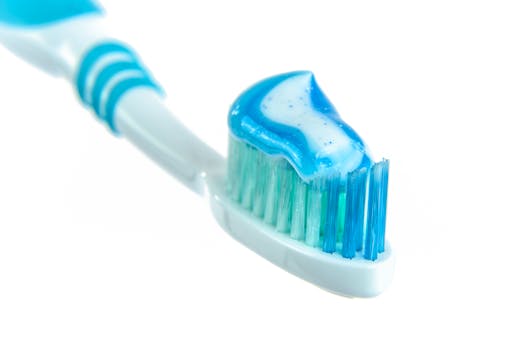
Selecting the best toothpaste may seem simple, but with hundreds of options crowding store shelves, it can quickly turn overwhelming. From whitening formulas to desensitizing pastes and natural alternatives, the choices are endless. Yet, your toothpaste plays a crucial role in your daily oral care routine, directly impacting everything from cavity prevention to gum health and fresh breath. So how do you navigate the world of toothpaste and find the right one tailored to your unique needs? Let’s break down what really matters when choosing a toothpaste, examine the different types, and explore how to read between the marketing lines to make an informed decision.
The Science Behind Toothpaste: What Does It Really Do?
Before diving into brands and buzzwords, it’s important to understand what toothpaste actually does. At its core, toothpaste is a mildly abrasive gel or paste designed to remove dental plaque, food particles, and bacteria from your teeth. But modern toothpastes offer much more than basic cleaning. Here are the key ingredients and their functions:
- $1: Present in nearly all mainstream toothpastes, fluoride helps remineralize tooth enamel, making teeth more resistant to decay. According to the Centers for Disease Control and Prevention (CDC), fluoride use has reduced tooth decay in the U.S. by 25% over the past several decades. - $1: These fine particles (like hydrated silica or calcium carbonate) scrub away plaque and surface stains. - $1: Sodium lauryl sulfate is commonly used to create foam and disperse ingredients. - $1: Prevent the paste from drying out and keep ingredients evenly distributed. - $1: Make brushing more pleasant without sugar.Understanding these basics allows you to look beyond flashy packaging and focus on what your teeth and gums actually need.
.png)
Common Types of Toothpaste: Which One Fits Your Needs?
Not all toothpastes are created equal. Different formulas address different oral concerns. Here’s a breakdown of the most common types and who they're best for:
| Type of Toothpaste | Main Purpose | Best For | Key Ingredients |
|---|---|---|---|
| Anti-cavity | Prevent tooth decay | Most people, children and adults | Fluoride |
| Whitening | Remove surface stains | Coffee, tea, wine drinkers, smokers | Peroxide, mild abrasives |
| Sensitivity | Reduce pain from hot/cold | People with sensitive teeth | Potassium nitrate, stannous fluoride |
| Tartar control | Prevent tartar build-up | People prone to tartar | Pyrophosphates, zinc citrate |
| Natural/Herbal | Avoid synthetic ingredients | People seeking natural products | Baking soda, herbal extracts |
| Children’s toothpaste | Safe for kids, often less fluoride | Children under 6 years | Lower fluoride, fun flavors |
Factors to Consider When Choosing Toothpaste
Your oral health needs are as unique as your smile. Here are key factors to consider as you select a toothpaste:
1. $1: Are you prone to cavities, gum disease, or staining? Do you have sensitive teeth? Identifying your primary concerns will narrow your choices. 2. $1: Children should use toothpaste with lower fluoride content. For seniors, anti-cavity or sensitivity formulas may be more helpful. 3. $1: Some people react to sodium lauryl sulfate or artificial flavorings. If you experience mouth ulcers or irritation, try an SLS-free or hypoallergenic toothpaste. 4. $1: While fluoride is widely recommended by dentists for cavity prevention, some prefer fluoride-free options for personal or health reasons. 5. $1: Smokers or those who drink tea, coffee, or red wine may benefit from whitening toothpastes. 6. $1: People with gum disease, diabetes, or dry mouth may require specialized formulas. For instance, toothpaste with xylitol can help stimulate saliva for dry mouth sufferers. 7. $1: Look for the American Dental Association (ADA) seal, which indicates the toothpaste’s safety and effectiveness have been independently verified.Breaking Down Toothpaste Labels: What to Look For
Standing in the dental aisle, you’ll see a barrage of claims: “whitens in one week,” “total protection,” “enamel strength.” Here’s how to decode them:
- $1: Most whitening toothpastes use mild abrasives to polish away stains. Those with peroxide can lighten tooth color slightly, but won’t change natural tooth shade dramatically. According to the American Dental Association, whitening toothpastes can remove up to 80% of surface stains with regular use. - $1: Toothpastes with potassium nitrate or stannous fluoride help block the nerve pathways that cause tooth pain. Clinical studies show that after 8 weeks of use, sensitivity can decrease by as much as 40%. - $1: These usually contain fluoride or calcium phosphates, which help remineralize enamel. - $1: These toothpastes often skip fluoride, artificial sweeteners, and synthetic detergents in favor of plant-based or mineral alternatives. However, not all natural toothpastes are as effective at cavity prevention unless they contain fluoride or xylitol.Always check the ingredients list, and remember: if a toothpaste doesn’t contain fluoride, the ADA does not consider it effective in preventing cavities.
Specialty Toothpastes: Are They Worth It?
Some toothpastes claim to address very specific dental needs. Here’s what the research says:
- $1: Tartar (hardened plaque) can only be removed by a dentist, but tartar control toothpastes can help slow its formation. These often use pyrophosphates or zinc citrate. A 2020 review in the Journal of Clinical Dentistry found that tartar control toothpastes reduced calculus formation by up to 36% compared to regular fluoride pastes. - $1: Popular in recent years, charcoal toothpastes claim to whiten teeth naturally. However, studies show that their abrasiveness can damage enamel if overused, and most lack fluoride. - $1: These aim to balance the oral microbiome. While promising, more research is needed to prove their benefits. - $1: Some toothpastes use ingredients like nano-hydroxyapatite to help rebuild enamel. Early studies are positive, but fluoride remains the gold standard. - $1: For those with receding gums or enamel erosion, these can be a game-changer. The American Dental Association notes that stannous fluoride and potassium nitrate are most effective for sensitivity.For most people, specialty pastes are only necessary if recommended by your dentist or if you have specific oral health challenges.
How to Match Toothpaste to Your Dental Health Profile
Still not sure what’s right for you? Here are some scenarios and expert recommendations:
- $1: Choose a fluoride toothpaste labeled “anti-cavity.” Some brands offer higher-fluoride prescriptions for those at high risk. - $1: Use a toothpaste with potassium nitrate or stannous fluoride, and avoid highly abrasive whitening pastes. - $1: Whitening pastes with hydrogen peroxide or mild abrasives can help. Be aware that results are gradual and best for extrinsic (surface) stains. - $1: Opt for toothpaste containing stannous fluoride, which has antibacterial properties. Avoid harsh abrasives that can irritate gums. - $1: Pick a toothpaste with 1,000 ppm or less fluoride and a flavor kids enjoy. Always supervise brushing to avoid swallowing. - $1: Try SLS-free or natural toothpastes. If you experience frequent sores, consult your dentist.If you’re unsure, bring your current toothpaste to your next dental checkup and ask for a professional opinion.
Making Your Choice: Practical Tips for the Best Results
Once you’ve chosen your toothpaste, maximize its benefits with the right brushing habits:
- $1: More isn’t better; a small dab is enough. - $1: Twice daily, reaching all tooth surfaces. - $1: Spit, but don’t rinse with water right away to let fluoride work longer. - $1: Toothpaste expires! Most have a shelf life of 2-3 years—check the date to ensure freshness. - $1: Keep the cap closed and avoid extreme temperatures.By combining the right toothpaste with solid brushing technique, you set the foundation for lifelong oral health.
Smart Toothpaste Choices: The Key to Personalized Oral Care
Toothpaste is more than just a minty paste—it’s a powerful tool for protecting your smile. With the right information, you can cut through marketing hype and select a toothpaste that addresses your specific concerns, whether it’s cavity prevention, sensitivity, or natural ingredients. Remember, the best toothpaste is the one you’ll use consistently and that meets your unique dental needs. Regular dental checkups and professional advice will ensure you’re always on the right track. Your smile is worth the extra attention—choose wisely, brush well, and enjoy the confidence that comes with great oral health.