Moving to a new home is one of life’s most stressful events. Between packing boxes, managing logistics, and settling into unfamiliar surroundings, it’s easy for dental hygiene to slip down your list of priorities. However, neglecting your oral health during a move can lead to problems like cavities, gum disease, and even dental emergencies at the worst possible time. In this article, we’ll explore practical, actionable strategies for keeping your teeth and gums healthy before, during, and after a move—ensuring your smile stays bright no matter where life takes you.
The Overlooked Risks to Dental Health When Moving
Relocating can disrupt your routines in ways that directly impact oral health. A 2021 survey by the American Dental Association found that 42% of adults admit to skipping brushing or flossing when their schedule changes or becomes hectic—something that happens to almost everyone during a move. Add to that the temptation of takeout meals, more frequent snacking, and the challenge of finding a new dentist, and you have a recipe for dental trouble.
Common risks during a move include: - Forgetting or misplacing dental hygiene essentials (toothbrush, toothpaste, floss) - Increased consumption of sugary snacks and drinks - Skipping regular brushing and flossing due to exhaustion or time constraints - Delaying or missing dental appointments - Stress-induced habits like teeth grinding or jaw clenchingRecognizing these pitfalls is the first step to avoiding them. With a bit of planning and some smart strategies, you can protect your oral health during this busy transition.
.png)
Building a Portable Dental Care Kit for Moving
One of the most effective ways to maintain dental hygiene while moving is to prepare a portable dental care kit. This ensures you always have your essentials on hand, whether you’re in the car, on a plane, or staying overnight somewhere new.
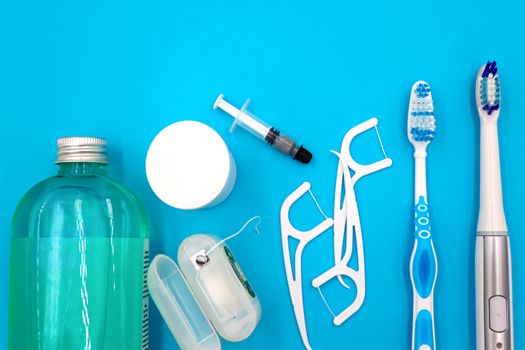
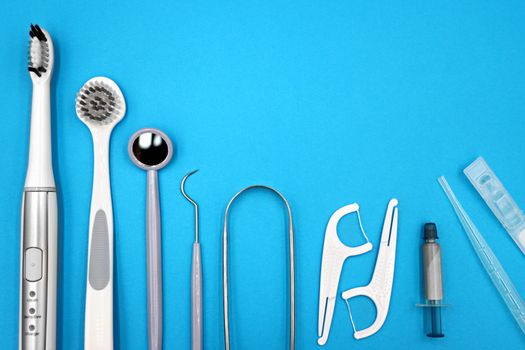
Essentials for your kit: - Toothbrush (preferably with a travel cap or case) - Travel-sized fluoride toothpaste - Dental floss or floss picks - Mouthwash in a spill-proof container - Sugar-free gum or xylitol mints - Compact mirror for on-the-go checks - Small bottle of water (for rinsing if necessary)According to the Centers for Disease Control and Prevention (CDC), carrying travel-sized dental products reduces the likelihood of skipping oral care routines by up to 50% during travel or relocation. Keep this kit easily accessible—don’t pack it away in a box. Place it in your personal bag or glove compartment to minimize excuses for neglecting your teeth.
Smart Snacking and Hydration Choices on the Road
Moving often means eating on the go and relying on convenience foods. However, many popular snacks and drinks are high in sugar and acids, which contribute to tooth decay and enamel erosion. A recent study published in the Journal of Dental Research found that people who frequently snack on processed foods during periods of high stress have a 30% higher risk of developing new cavities.
Here’s a comparison of common moving snacks and their impact on dental health:
| Snack/Drink | Sugar Content | Dental Impact |
|---|---|---|
| Potato Chips | Low | Starch sticks to teeth, feeding bacteria |
| Chocolate Bars | High (20-30g/serving) | Promotes cavity formation |
| Sugar-Free Gum | 0g | Stimulates saliva, helps clean teeth |
| Fresh Fruit (Apple) | Moderate (10-15g/serving) | Natural sugars, but fibrous texture cleans teeth |
| Soda | Very High (35-45g/serving) | High acid and sugar, erodes enamel |
| Water | 0g | Rinses mouth, no sugar |
If you must indulge in a sweet treat, eat it with a meal rather than as a standalone snack, and rinse your mouth with water afterward.
Maintaining Oral Hygiene Routines Amidst Chaos
During a move, routines go out the window. You might find yourself waking up in an unfamiliar place, staying up late, or eating at odd times. But consistency is key for dental health. According to the National Institutes of Health, brushing twice daily with fluoride toothpaste reduces the risk of cavities by up to 40%, even during stressful periods.
Here’s how to stick to your oral care routine: - Set reminders on your phone to brush and floss at your usual times, even if your day is unpredictable. - If you’re traveling across time zones or have a disrupted schedule, brush after meals or snacks rather than focusing strictly on morning and night. - Use disposable toothbrushes or pre-threaded floss picks if you lose access to running water or your regular supplies. - Don’t forget to clean your tongue—bacteria thrive there, especially when your oral environment changes.Even if you’re exhausted, take two minutes to brush before bed. This small act can prevent plaque buildup and costly dental repairs down the road.
Finding and Transitioning to a New Dentist
One of the most overlooked aspects of moving is establishing care with a new dental provider. A 2022 analysis by the Health Policy Institute found that 28% of people delay or forgo dental care after moving, often for more than a year. This gap can allow minor issues to become major problems.
To ensure a smooth transition: - Request your dental records from your previous provider before you move. Most offices can email or mail these directly to your new dentist. - Use resources like the American Dental Association’s Find-a-Dentist tool to research providers in your new area. - Schedule a checkup within the first three months of moving, especially if you’re due for a cleaning or have ongoing dental needs. - If you have dental insurance, confirm that your new dentist is in-network to avoid unexpected costs.If you have children, prioritize finding a pediatric dentist and transferring their records as soon as possible. A little advance planning can prevent dental emergencies in an unfamiliar city.
Managing Stress and Oral Health During a Move
Moving is a major life event that can cause significant emotional and physical stress. Unfortunately, stress is linked to a variety of oral health problems, including canker sores, dry mouth, and teeth grinding (bruxism). According to the American Academy of Oral Medicine, up to 20% of adults experience stress-related dental symptoms during major life changes.
Practical ways to reduce stress’s impact on your mouth: - Practice relaxation techniques such as deep breathing or meditation, even for a few minutes a day. - Stay hydrated; stress can reduce saliva production, which increases cavity risk. - If you notice jaw soreness or headaches, consider a temporary mouthguard (available at pharmacies) until you can see a dentist. - Chew sugar-free gum to stimulate saliva and relieve jaw tension.Being proactive about stress management not only benefits your overall well-being but also protects your teeth and gums during this hectic time.
Lasting Dental Health: Safeguarding Your Smile After the Move
The weeks following a move are just as important for dental health as the move itself. Once you’re settled, take time to reassess your oral care setup: - Unpack and organize your dental supplies in your new bathroom for easy access. - Re-establish your morning and evening dental routines. - If you’ve skipped or postponed any treatments, schedule appointments as soon as possible. - Introduce yourself to your new dental team and communicate any concerns or special needs.Remember, your oral health is a lifelong investment. Taking a little extra care during major transitions can save you from discomfort, costly treatments, and time lost to dental emergencies.