Dental Care for Children: How to Establish Healthy Habits from an Early Age
Good oral health is essential for every child, but healthy smiles don’t just happen—they’re built through daily habits and early intervention. According to the Centers for Disease Control and Prevention (CDC), about 20% of children aged 5 to 11 have at least one untreated decayed tooth. Tooth decay is the most common chronic disease of childhood in the United States, yet it is almost entirely preventable. By establishing strong dental care routines from a young age, parents can set their children up for a lifetime of healthy teeth and gums.
This article explores practical strategies, age-specific recommendations, and the science behind early dental care. Learn how to make oral hygiene engaging, how to navigate challenges like picky brushing, and why starting early can save your child from pain, missed school days, and costly dental procedures in the future.
Why Early Childhood Dental Care Is Crucial
Many parents assume that because baby teeth eventually fall out, their care is less important. In reality, baby teeth play critical roles in speech development, nutrition, and guiding adult teeth into correct positions. The American Academy of Pediatric Dentistry (AAPD) recommends that children see a dentist by their first birthday or within six months of the first tooth erupting.
.png)
Neglecting early dental care can lead to:
- Increased risk of cavities (caries), which can cause pain and infection - Difficulty chewing, leading to poor nutrition - Speech development issues - Premature loss of baby teeth, resulting in misaligned permanent teeth - Higher dental costs and more complex treatments in the futureA 2019 study published in the Journal of Dental Research found that children who received dental care before age 5 had 40% fewer cavities in their permanent teeth compared to those whose care started later.
Building a Child-Friendly Oral Hygiene Routine
The foundation of dental health is a consistent oral hygiene routine. However, children are not born knowing how to brush and floss effectively. Parents play a vital role as teachers and role models.
Here’s how to create a child-friendly routine:
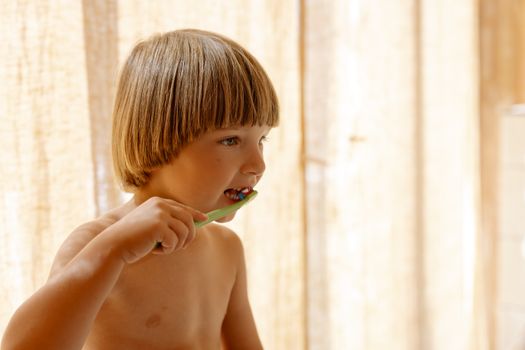
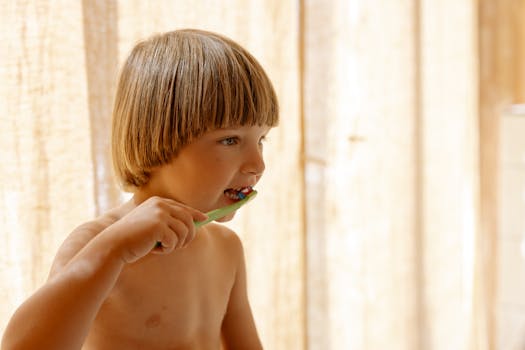
1. $1 Begin cleaning your baby’s gums with a soft, damp cloth even before teeth emerge. Once teeth appear, use a small, soft-bristled toothbrush and a smear of fluoride toothpaste (about the size of a grain of rice for children under 3). 2. $1 Turn brushing into a game or a bonding moment. Use toothbrushes with favorite characters, play a two-minute song, or use apps that track brushing time. 3. $1 Brush and floss together as a family. Children are more likely to mimic positive behaviors when they see parents taking oral care seriously. 4. $1 Praise your child for brushing well. Consider a reward chart with stickers for each successful morning and night routine. 5. $1 Most children need help brushing and flossing until at least age 7 or 8. Make sure your child is using the right technique and not swallowing toothpaste.Age-Specific Dental Care Recommendations
Oral care needs change as children grow. Below is a comparison table outlining key milestones and recommendations by age group.
| Age Group | Dental Milestones | Care Recommendations | Parental Role |
|---|---|---|---|
| 0-2 Years | First tooth erupts (around 6 months), teething | Clean gums with cloth; brush with soft brush and water; first dental visit by age 1 | Full supervision, introduce gentle brushing |
| 3-5 Years | All primary teeth in by age 3; increased independence | Pea-sized fluoride toothpaste; brush twice daily; start flossing | Supervise, assist with brushing/flossing |
| 6-12 Years | First permanent teeth; mixed dentition (primary & permanent teeth) | Continue twice-daily brushing/flossing; dental sealants; monitor for orthodontic issues | Monitor technique, encourage responsibility |
| Teenagers | All permanent teeth in; higher risk for cavities due to diet/hormones | Promote good habits, discourage sugary snacks/drinks, routine dental visits | Guide, educate, encourage regular dental care |
Nutrition’s Role in Children’s Dental Health
What your child eats significantly impacts their oral health. Sugary foods and drinks feed harmful bacteria, leading to acids that erode tooth enamel.
Key facts and strategies:
- The CDC reports that children aged 2 to 19 consume an average of 17 teaspoons of added sugar daily, far exceeding the American Heart Association’s recommended limit of 6 teaspoons. - Frequent snacking increases cavity risk. Encourage water and tooth-friendly snacks like cheese, yogurt, and crunchy fruits or vegetables. - Limit juice to no more than 4 ounces per day for toddlers (ages 1-3) and 4-6 ounces for children ages 4-6, as per the American Academy of Pediatrics. - Calcium-rich foods help build strong teeth and bones. Practical tips: - Offer water between meals instead of sugary drinks. - Pack lunches with whole grains, lean proteins, and fresh produce. - Save sweet treats for special occasions and encourage brushing afterward.Overcoming Common Challenges in Pediatric Dental Care
Even with the best intentions, parents may face obstacles as they encourage good dental habits. Here are some common issues and solutions:
1. $1 Young children might resist brushing due to sensory sensitivity or boredom. Try letting them pick out their own toothbrush, using flavored toothpaste, or brushing alongside a favorite stuffed animal. 2. $1 A study by the Journal of Clinical Pediatric Dentistry found that nearly 20% of children experience dental anxiety. Combat this by reading books about dental visits, playing “dentist” at home, and choosing a pediatric dental office with a kid-friendly environment. 3. $1 Consistency is key, but mornings and evenings can be hectic. Set reminders, incorporate brushing into bath time, or use a family calendar to track routines. 4. $1 Prolonged thumb sucking or pacifier use can affect dental development. The AAPD recommends intervention if these habits persist beyond age 3. Positive reinforcement and gentle reminders can help children break these habits.The Importance of Preventive Dental Visits
Regular dental checkups are as essential as at-home care. The CDC notes that children who see a dentist regularly have 20% fewer cavities than those who do not.
Benefits of preventive visits include:
- Early detection of cavities, gum disease, and developmental issues - Professional cleaning to remove plaque and tartar - Application of fluoride treatments and dental sealants, which can reduce cavity risk by up to 80% in molars - Professional advice tailored to your child’s oral health stageThe AAPD suggests dental visits every six months, starting with the eruption of the first tooth. If your child has special health care needs, more frequent visits may be necessary.
Final Thoughts on Establishing Lifelong Dental Health in Children
Building healthy dental habits in childhood is an investment in your child’s long-term well-being. By starting early, modeling good behavior, and working with your dental team, you help ensure your child enjoys a lifetime of strong teeth, confident smiles, and overall good health. Remember, your involvement and encouragement are the most powerful tools in shaping your child’s approach to oral hygiene.