How to Handle Dental Emergencies in Florida
Dealing with a dental emergency can be a daunting experience, particularly when you're in unfamiliar territory or unsure of the immediate steps to take. For residents and visitors in Florida, having a clear plan for managing dental emergencies is crucial. This guide provides practical advice on how to effectively address various dental crises, potentially saving your teeth and preventing further health complications.
Identify the Type of Dental Emergency
.png)
Different dental emergencies require specific responses. Here’s how to address the most common issues:
- Toothaches: Clean your mouth with warm water and use dental floss to dislodge any trapped food. If pain continues, contact a dentist immediately as it may indicate a serious problem.
- Chipped or Broken Teeth: Collect any broken tooth fragments. Rinse your mouth and the fragments with warm water. Apply gauze to control any bleeding and consult a dentist promptly.
- Knocked-Out Tooth: Handle the tooth by the crown, not the root. Rinse the root if dirty, but do not scrub. Attempt to reinsert it into the socket or, failing that, immerse it in milk or water and seek immediate dental assistance.
- Lost Filling or Crown: Keep the crown or filling if possible. Temporarily reattach it with dental cement, toothpaste, or denture adhesive. Visit a dentist soon.
- Abscess: These infections are serious and can spread. Rinse with salt water and see a dentist immediately if you notice a painful, pimple-like swelling on your gums.
Find an Emergency Dentist
Having contact information for emergency dental services in Florida is essential. You can find a local dentist through the American Dental Association (ADA) website, which offers a search tool for nearby dental professionals offering emergency services.
What to Do While Waiting for Dental Care
- Manage Pain: Take over-the-counter pain relievers like ibuprofen to alleviate pain and reduce swelling. Do not apply aspirin directly to your gums or teeth.
- Cold Compress: Apply a cold compress externally on the cheek to reduce swelling and alleviate pain, especially after trauma. Use the compress for 20 minutes on, followed by 20 minutes off.
- Elevate Your Head: When lying down, keep your head raised to help reduce bleeding and swelling.
Preventive Measures
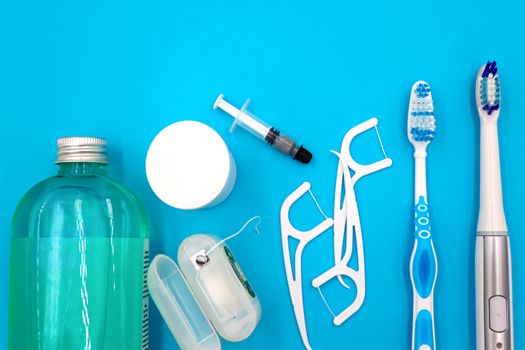
The best approach to handling dental emergencies is prevention. Maintain good oral hygiene through regular brushing and flossing. Visit your dentist routinely for check-ups and professional cleanings. Wearing a mouthguard during sports and avoiding hard foods like ice can also prevent tooth damage.
Conclusion
Understanding how to manage dental emergencies in Florida is vital for ensuring prompt and effective treatment. By recognizing common dental issues, knowing how to temporarily alleviate symptoms, and having access to emergency dental care, you can safeguard your oral health. In all cases, swift action is crucial, so don’t hesitate to seek professional help when facing a dental emergency.