Preparing for orthodontic treatment is an exciting step toward achieving a healthier, straighter smile. Whether you’re considering braces, clear aligners, or another corrective device, knowing what to expect and how to mentally and physically prepare can make the journey smoother. Many patients worry about pain, lifestyle changes, and the unknowns of treatment. This guide will walk you through every stage—from your first consultation to your first few weeks with braces or aligners. You’ll learn how to minimize stress, what changes to anticipate, and how to set yourself up for successful orthodontic care.
Understanding the Orthodontic Treatment Journey: Key Stages and Timeline
Before you begin, it helps to understand the typical process of orthodontic treatment. Most journeys follow a similar route, but individual timelines and details can vary depending on your specific needs. Here’s an overview of what you can expect:
| Stage | What Happens | Average Duration |
|---|---|---|
| Initial Consultation | Assessment, x-rays, impressions, treatment plan discussion | 1 visit (30-90 minutes) |
| Pre-Treatment Prep | Professional cleaning, addressing existing dental issues | 1-2 weeks |
| Appliance Placement | Braces, aligners, or other devices fitted | 1 visit (1-2 hours) |
| Adjustment Visits | Periodic check-ups, tightening or new aligners | Every 4-8 weeks |
| Retention Phase | Retainers to keep teeth in new position | Ongoing |
According to the American Association of Orthodontists, the average duration of orthodontic treatment is about 18 to 24 months, but some cases can be as short as 6 months or as long as 36 months.
.png)
What to Expect at Your First Orthodontic Consultation
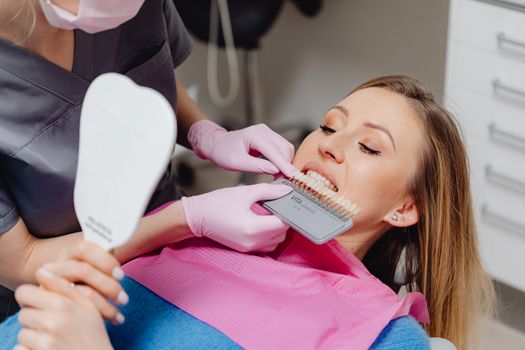
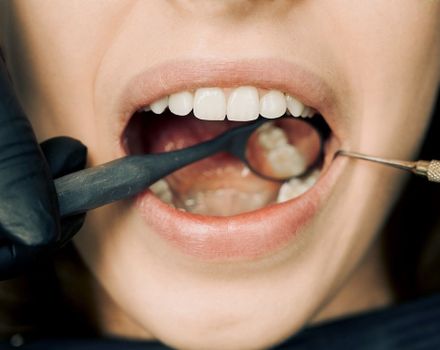
Your first visit sets the stage for your entire orthodontic journey. During this appointment, the orthodontist will thoroughly examine your teeth and jaws, often using digital x-rays, photographs, and dental impressions (either physical or digital scans). They’ll discuss your concerns and goals, and recommend a tailored treatment plan that may include traditional braces, ceramic braces, lingual braces, or clear aligners like Invisalign.
You should be prepared to answer questions about your dental and medical history, as certain health conditions or medications can influence treatment options. You’ll also have the chance to ask about costs, expected treatment duration, and any lifestyle adjustments you might need to make.
It’s common to feel nervous before this first appointment, but remember: this is an information-gathering session, not a commitment. In 2021, a survey found that 60% of orthodontic patients reported their initial consultation helped reduce anxiety by clarifying what to expect and providing a clear plan.
Pre-Treatment Preparation: Setting Yourself Up for Success
Once you’ve decided to move forward, there are a few practical steps to take before your appliance is placed:
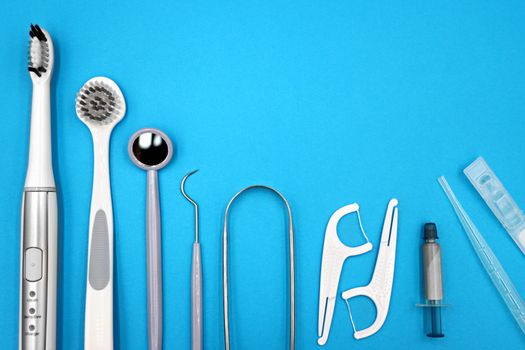
1. $1: Schedule a professional cleaning and make sure all cavities, gum disease, or other oral health issues are addressed. Orthodontic appliances work best in a healthy mouth, and untreated problems can delay or complicate treatment. 2. $1: Stock your kitchen with soft foods like yogurt, eggs, pasta, and smoothies. You may experience tenderness in the days after your appliance is placed, so having gentle options on hand helps. 3. $1: Invest in a quality electric toothbrush, an orthodontic floss threader or water flosser, and orthodontic wax. These tools can help you maintain oral hygiene and comfort throughout your treatment. 4. $1: Take “before” photos of your smile. Not only are these fun to look back on, but they can remind you of your progress and boost motivation during tough spots.Preparation is also mental. Talk openly with your orthodontist about any anxieties—many clinics offer resources or can recommend strategies to help you feel more at ease.
Managing Discomfort and Adjusting to Life with Braces or Aligners
The first few days after getting braces or aligners can be uncomfortable. Most patients experience mild soreness as teeth begin to move and adjust. Over-the-counter pain relievers such as acetaminophen or ibuprofen can help, but always follow your provider’s recommendations.
Here are proven ways to minimize discomfort and stress during the adjustment period:
- $1: Foods like mashed potatoes, oatmeal, or soup are gentle on sore teeth. - $1: If brackets or wires irritate your cheeks or lips, orthodontic wax can create a smooth barrier. - $1: Applying a cold pack to your jaw for 10-15 minutes at a time can reduce swelling and numb discomfort. - $1: Swishing with warm salt water (half a teaspoon of salt dissolved in a cup of water) can speed healing of minor mouth sores.Research shows that most patients report significant improvement in discomfort within the first week. In a 2019 study, 85% of new orthodontic patients said their discomfort was "mild to moderate" and manageable with simple home remedies.
If you’re using clear aligners, you’ll swap to a new set every 1-2 weeks. Each change may bring brief soreness, but this usually resolves quickly. Remember, discomfort means your teeth are moving—this is a sign your treatment is working!
Staying Organized and Motivated During Treatment
Orthodontic treatment is a marathon, not a sprint. Staying organized and motivated can help you stick to your routine and reduce stress:
- $1: Use a calendar or app to track adjustment appointments and aligner changes. - $1: Keep a small bag with a toothbrush, floss, wax, and pain relievers with you, especially at school or work. - $1: Social media groups or online forums can connect you with other patients, offering tips and encouragement. - $1: Mark progress with small rewards, like a favorite (braces-safe) treat or a new toothbrush.It’s normal to have days when you feel frustrated or impatient. Remind yourself of your goals, and don’t hesitate to reach out to your orthodontist if you have questions or concerns.
How to Minimize Stress Throughout Your Orthodontic Journey
Orthodontic treatment can be stressful, especially if you’re worried about appearance, discomfort, or the impact on your daily routine. Here are evidence-based tips to help keep anxiety in check:
1. $1: The more you know, the less you’ll fear. Ask questions at every stage, read reputable resources, and understand each step of the process. 2. $1: Deep breathing, meditation, or even short walks can help manage stress. In a 2022 study, patients who practiced mindfulness reported 30% lower stress levels during orthodontic treatment. 3. $1: Share your experience with family or friends. Talking about worries can help put them in perspective. 4. $1: Visualize your future smile and the benefits—improved oral health, easier cleaning, and increased confidence. 5. $1: If anxiety becomes overwhelming, consider talking to a counselor or your orthodontist about options for support.Remember, feeling anxious is normal, but it doesn’t have to overshadow your treatment. Many patients find their confidence grows throughout the process as they adapt and see progress.
Final Thoughts on Preparing for Orthodontic Treatment
Starting orthodontic treatment is a significant investment in your health and well-being. By understanding the process, preparing your mouth and mind, and using practical strategies to minimize discomfort and stress, you’ll be well-equipped for a smoother journey. Every patient’s experience is unique, but millions of people successfully complete orthodontic treatment each year—emerging with healthier, more confident smiles. Approach your treatment with patience and positivity, and remember that your orthodontic team is there to support you every step of the way.