Caring for dentures goes far beyond simply rinsing them at night. Proper maintenance of dentures is crucial not only for extending their lifespan but also for maintaining your overall oral hygiene, comfort, and confidence. With around 41 million Americans wearing some form of dentures according to the American College of Prosthodontists, it’s clear that understanding how to care for them is a widespread need. In this comprehensive guide, we’ll explore expert-backed strategies, highlight common mistakes, and share actionable tips for anyone looking to keep their dentures—and their smile—in top condition.
The Importance of Daily Denture Care
Dentures, whether full or partial, are designed to look, feel, and function like natural teeth. However, they require a distinct approach to cleaning and maintenance compared to natural teeth. Neglecting daily care can lead to several problems:
- Accumulation of plaque and tartar, just like on natural teeth - Staining and discoloration, especially from coffee, tea, or tobacco - Bad breath caused by trapped food particles and bacteria - Oral infections such as stomatitis or cheilitis, which affect up to 67% of denture wearers at some pointUnlike natural teeth, dentures are made from materials like acrylic resin or porcelain, which can be more porous and susceptible to certain types of damage. A regular and thorough cleaning routine not only preserves their appearance but is essential for your oral health.
.png)
Step-by-Step Guide: Effective Cleaning Techniques for Dentures
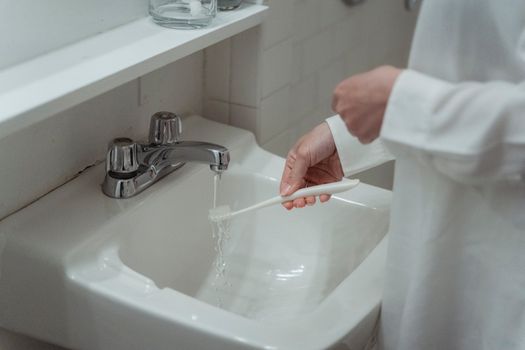
Cleaning dentures isn’t just about running them under water. Here’s a step-by-step process, recommended by dental professionals, to ensure optimum cleanliness:
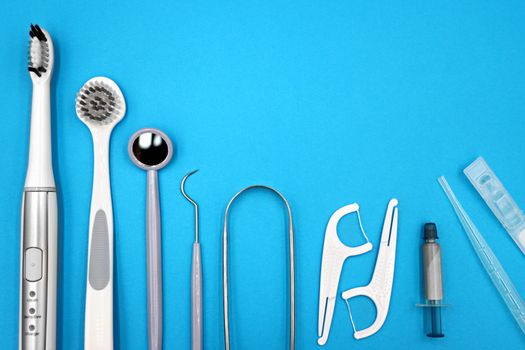
1. $1 – Always remove your dentures after eating. Rinse them under running water to dislodge food particles. 2. $1 – Use a soft-bristled toothbrush or a special denture brush. Avoid regular toothpaste, as it can be too abrasive. Instead, opt for a non-abrasive denture cleanser. 3. $1 – Pay special attention to the grooves that fit against your gums, as bacteria can accumulate here. 4. $1 – Most dentures need to stay moist to maintain their shape. Soak them in a mild denture-cleaning solution overnight, unless your dentist recommends otherwise. 5. $1 – Always rinse dentures thoroughly before putting them back in your mouth, especially if you use a soaking solution, as these chemicals can cause burns or irritation.According to a 2022 study published in the Journal of Prosthetic Dentistry, dentures cleaned using both brushing and soaking methods showed a 55% reduction in bacterial biofilm compared to brushing alone.
Best Practices for Handling and Storing Dentures
Dentures are durable, but not indestructible. Mishandling is a common cause of cracks, chips, or warping, which can result in costly repairs or replacements. Here are some essential tips for handling and storing your dentures safely:
- $1 Hold dentures over a folded towel or a basin of water to prevent breakage if dropped. - $1 Never use hot or boiling water to clean or soak your dentures, as it can warp their shape. - $1 When not wearing them, keep your dentures in a clean container filled with water or a denture solution to prevent them from drying out. - $1 Store dentures out of reach, as pets especially can mistake them for chew toys. - $1 When traveling, carry a portable storage case and a small supply of your preferred cleaning solution.Proper storage is not just about convenience; it helps maintain the structural integrity and hygiene of your dentures, ensuring a secure and comfortable fit.
Comparing Cleaning Products: Denture Cleanser Options
With dozens of cleaning products on the market, choosing the right one for your needs can be daunting. Below is a comparison of common denture-cleaning options, including their pros and cons:
| Product Type | Effectiveness Against Stains | Antibacterial Properties | Convenience | Price Range (per month) |
|---|---|---|---|---|
| Denture Tablets | High | High | Very Convenient | $8–$15 |
| Liquid Soaks | Moderate–High | High | Easy to Use | $10–$20 |
| Denture Toothpaste | Moderate | Low | Requires Brushing | $5–$10 |
| Home Remedies (Baking Soda, Vinegar) | Low–Moderate | Variable | Requires Mixing | $2–$5 |
While commercial denture tablets and liquids offer superior antibacterial protection and stain removal, some users prefer the simplicity and affordability of home remedies. However, it’s important to consult your dentist before using household substances, as they can sometimes damage certain denture materials.
Recognizing and Preventing Common Denture Problems
Even with the best care, denture wearers can experience issues. Early detection and prevention are key to avoiding discomfort and costly repairs. Here are some common problems and their solutions:
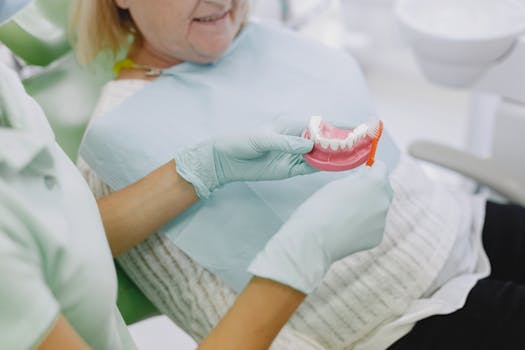
- $1 Often caused by poor fit or accumulation of debris. Clean dentures thoroughly and visit your dentist for adjustments if discomfort persists. - $1 This is an inflammation of the tissue beneath a denture, affecting up to 35% of users. It’s frequently caused by poor hygiene or sleeping with dentures in. - $1 Regular and thorough cleaning, including soaking, can significantly reduce odor-causing bacteria. - $1 Avoid biting hard foods or using your dentures to open packages, and always handle them with care when cleaning.A study from the National Institute of Dental and Craniofacial Research found that up to 50% of denture wearers suffer from ill-fitting dentures within five years of use, underscoring the need for regular dental checkups and timely relining or replacement.
Maintaining Oral Health with Dentures
Caring for your dentures is just one part of maintaining a healthy mouth. Your gums, tongue, and any remaining natural teeth require ongoing attention as well.
- $1 Use a soft-bristled toothbrush to clean your gums, tongue, and palate every morning before inserting your dentures. - $1 Rinse your mouth with water or a mild mouthwash to reduce bacteria and refresh your breath. - $1 Redness, swelling, or white patches can indicate infection or irritation. See your dentist promptly if you notice these symptoms. - $1 Schedule checkups at least once a year, even if you have no natural teeth remaining. Your dentist can check for oral cancer, assess the fit of your dentures, and clean areas you may miss.According to the Centers for Disease Control and Prevention, only about 60% of denture wearers see a dentist regularly, yet those who do are significantly less likely to develop oral infections or denture-related complications.
Final Tips for Long-Lasting, Comfortable Dentures
Proper denture care is a daily commitment, but the rewards are well worth the effort. Here are some final expert tips to help you get the most from your dentures:
- Replace your dentures every 5–8 years, as recommended by most dental professionals. - Never attempt to adjust or repair dentures yourself—DIY fixes can cause lasting damage. - Avoid using bleach or harsh chemicals, as these can weaken and discolor your dentures. - Stay hydrated and eat a balanced diet to keep your gums healthy and ensure a comfortable fit.Remember, well-maintained dentures not only enhance your appearance and confidence but also safeguard your overall health.