The field of dental implants has experienced remarkable advancements over the past decade, revolutionizing how dentists restore missing teeth and improve oral health. Gone are the days when dentures or traditional bridges were the only solutions for tooth loss. Today, modern dental implant methods offer patients a variety of options that are more comfortable, durable, and natural-looking than ever before. But with so many choices now available, how can you determine which implant method is right for you? This comprehensive guide will walk you through the latest dental implant techniques, compare their benefits, and provide clear criteria to help you make an informed decision for your smile.
The Evolution of Dental Implant Technology
Dental implants are not a new concept—archeological evidence shows attempts to replace teeth dating back thousands of years. However, the first successful modern dental implant was placed in 1965, using titanium as the anchor. Since then, the industry has moved far beyond one-size-fits-all solutions.
Today’s dental implants are precision-engineered using biocompatible materials, advanced imaging, and digital planning. According to the American Academy of Implant Dentistry, over 500,000 dental implants are placed each year in the United States alone—a number that continues to rise due to their high success rate (over 95%) and life-like appearance.
.png) Key advancements include:
- 3D cone-beam computed tomography (CBCT) for precise jawbone mapping
- Computer-guided implant surgery for minimally invasive placement
- New materials such as zirconia for metal-free implant options
- Innovative implant shapes and sizes to suit various clinical needs
Key advancements include:
- 3D cone-beam computed tomography (CBCT) for precise jawbone mapping
- Computer-guided implant surgery for minimally invasive placement
- New materials such as zirconia for metal-free implant options
- Innovative implant shapes and sizes to suit various clinical needs
These innovations have made dental implants accessible to more patients, including those who were previously considered unsuitable candidates due to bone loss or other oral health conditions.
Types of Modern Dental Implant Methods
Not all dental implants are created equal. The method your dentist recommends will depend on your specific needs, health conditions, and personal preferences. Let’s break down the most common modern dental implant methods available today:
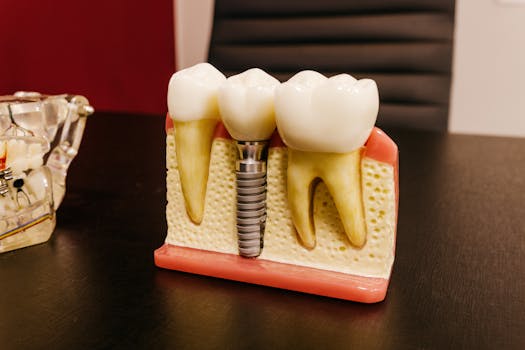
1. Endosteal Implants The most widely used type, endosteal implants are surgically placed directly into the jawbone. Made primarily of titanium or zirconia, these implants resemble small screws or cylinders and act as artificial roots for replacement teeth. Endosteal implants are preferred for their durability and success rate, provided the patient has sufficient bone density. 2. Subperiosteal Implants Designed for patients with insufficient jawbone who cannot undergo bone grafting, subperiosteal implants rest on top of the jawbone but underneath the gum tissue. A custom-made metal framework supports the replacement teeth. While less common than endosteal implants, they’re a valuable solution for those with significant bone loss. 3. All-on-4 and Full-Arch Implants For patients missing all teeth in an arch (upper or lower jaw), the All-on-4 technique uses just four strategically placed implants to support a full set of prosthetic teeth. This approach is cost-effective, requires fewer implants, and often eliminates the need for bone grafts. Variations like All-on-6 or All-on-8 offer additional support where needed. 4. Mini Implants Mini dental implants are smaller in diameter than traditional implants and are ideal for stabilizing lower dentures or in cases where bone volume is limited. They are less invasive and can often be placed in a single visit, with faster healing times. 5. Immediate Load or “Teeth in a Day” Implants This method allows for the placement of a temporary tooth (or teeth) on the same day as the implant surgery. Immediate load implants are a convenient option for those who don’t want to go without teeth during the healing process, provided there is sufficient primary stability.Comparing Dental Implant Methods: Key Differences
Choosing the best dental implant method involves considering factors such as healing time, cost, number of surgeries required, and long-term durability. The following table provides a side-by-side comparison of the most common modern dental implant methods:
| Implant Method | Best For | Healing Time | Average Cost (USD) | Success Rate | Notable Features |
|---|---|---|---|---|---|
| Endosteal | Most patients with good bone density | 3-6 months | $3,000-$5,000 per implant | 95-98% | Durable, versatile, long-lasting |
| Subperiosteal | Patients with significant bone loss | 3-6 months | $4,000-$6,000 per implant | 85-90% | No bone graft needed, custom fit |
| All-on-4 | Full-arch tooth replacement | 3-6 months | $15,000-$30,000 per arch | 95-98% | Immediate teeth, fewer implants |
| Mini Implants | Stabilizing dentures, limited bone | 1-2 months | $500-$1,500 per implant | 90-95% | Less invasive, quick recovery |
| Immediate Load | Quick tooth replacement | Same day for temporary, 3-6 months for permanent | $3,000-$6,000 per implant | 92-95% | Teeth in a day, convenience |
These figures are averages and can vary based on geographical region, dentist experience, and individual case complexity.
How to Choose the Right Dental Implant Method for You
With so many options to consider, selecting the ideal dental implant method requires a personalized approach. Here are key steps and criteria to guide your decision:
1. Comprehensive Oral Evaluation Your dentist will conduct a thorough examination, including digital imaging (such as CBCT scans), to assess your bone health, gum condition, and overall oral structure. This step is critical in determining your candidacy for different implant types. 2. Consider Your Bone Density and Anatomy Patients with healthy, dense jawbones are typically good candidates for endosteal implants. If you have experienced bone loss due to periodontal disease or long-term tooth loss, subperiosteal, mini implants, or All-on-4 may be more suitable. Bone grafting or sinus lift procedures can also expand your options. 3. Factor in Your Lifestyle and Priorities Do you need a fast solution due to work or social commitments? Immediate load implants or the All-on-4 method can provide same-day results. If you’re concerned about metal allergies, zirconia implants offer a metal-free alternative. 4. Budget and Insurance Coverage While dental implants are an investment in long-term oral health, cost is a significant factor. Discuss payment plans, insurance coverage, and potential alternatives with your provider. Mini implants and All-on-4 solutions can be more cost-effective for certain cases. 5. Long-Term Maintenance and Durability Dental implants can last 20 years or more with proper care. Ask your dentist about the expected lifespan, maintenance requirements, and follow-up care for each method. 6. Choose a Qualified Implant Dentist Success rates are closely tied to the experience and skill of your dental surgeon. Look for board-certified specialists with a track record in modern implantology and access to the latest digital planning tools.Risks, Recovery, and Success Rates: What to Expect
Modern dental implant procedures are highly predictable and safe. Nonetheless, like any surgical treatment, they carry some risks, including infection, nerve injury, or implant failure. Statistically, dental implants have a success rate of 95-98% when placed by experienced professionals, making them one of the most reliable options in restorative dentistry.
Typical recovery involves mild discomfort and swelling for a few days, with most patients resuming normal activities within a week. Healing times vary depending on the implant method, ranging from a few weeks (mini implants) to several months (traditional endosteal or All-on-4 implants).
Maintaining excellent oral hygiene, quitting smoking, and attending regular dental check-ups are key to ensuring the long-term success of your implants.
Future Directions in Dental Implantology
The future of dental implants is bright, with ongoing research promising even safer, faster, and more natural-looking solutions. Trends to watch include:
- Bioactive coatings that speed up bone integration - Custom 3D-printed implants for a perfect anatomical fit - Smart implants with embedded sensors to monitor bone health - Non-metallic materials for enhanced aesthetics and bio-compatibilityA 2023 report by the American Dental Association predicts that by 2030, over 30% of dental implants will use digital workflows, further improving precision and outcomes. As technology evolves, patients can expect even more options tailored to their unique needs.
Making Your Decision: A Personalized Approach to Dental Implants
Modern dental implant methods offer a versatile, reliable, and life-changing solution for tooth loss. By understanding the differences between implant types, considering your individual anatomy and lifestyle, and working with a skilled dental professional, you can restore your smile with confidence.
Remember, the “right” dental implant isn’t one-size-fits-all—it’s the one that fits your health, goals, and budget. Take the time to explore your options, ask questions, and prioritize your long-term oral health.