Dental Implants: What is the Procedure Like and What to Expect Afterwards?
Dental implants have rapidly become the gold standard for replacing missing teeth, transforming smiles and restoring confidence for millions of people worldwide. According to the American Academy of Implant Dentistry, over 3 million Americans have dental implants, and that number grows by about 500,000 every year. But what exactly does the dental implant procedure involve, and what should you expect during recovery and beyond? Whether you’re considering implants for yourself or simply want to understand this innovative treatment, this article will walk you through the process—step by step—and provide a realistic view of what comes after the procedure.
Understanding Dental Implants: What Are They and Who Needs Them?
Dental implants are artificial tooth roots, typically made from titanium, that are surgically placed into the jawbone. They serve as a sturdy foundation for permanent or removable replacement teeth—crowns, bridges, or even full dentures—designed to match your natural teeth in appearance and function.
Candidates for dental implants often include: - Adults who have lost one or more teeth due to injury, decay, or disease - Individuals who want a long-term, stable alternative to removable dentures or bridges - Patients with sufficient bone density and healthy gumsIn some cases, bone grafting may be required if the jawbone isn’t thick enough to support an implant. Dental implants are not generally recommended for children or adolescents whose jawbones are still growing.
.png)
Step-by-Step: The Dental Implant Procedure Timeline
The dental implant process involves several stages, typically spread out over several months to allow for healing and integration. Here’s a detailed breakdown of what you can expect:
1. $1 - Comprehensive dental exam (X-rays, 3D images, and impressions) - Review of medical history and discussion of treatment options - Customized treatment plan developed 2. $1 - If a damaged tooth remains, it will be gently removed - In some cases, the implant can be placed immediately after extraction; otherwise, healing may take a few weeks 3. $1 - If the jawbone lacks density or volume, a bone graft may be performed - Healing from a bone graft can take several months 4. $1 - Performed under local anesthesia or sedation for comfort - The dentist surgically inserts the titanium post into the jawbone - Healing period (osseointegration) begins, lasting 3 to 6 months, during which the bone fuses with the implant 5. $1 - After osseointegration, a small connector (abutment) is attached to the implant - The gums are given time to heal around the abutment (usually 2 weeks) 6. $1 - Impressions are taken to craft a custom crown, bridge, or denture - The final prosthetic is securely attached to the abutment, completing your smileComparing Dental Implants to Other Tooth Replacement Options
Dental implants are often compared to traditional dentures and bridges. Each solution has its own set of advantages, costs, and maintenance needs. The following table provides a clear comparison:
| Feature | Dental Implants | Bridges | Dentures |
|---|---|---|---|
| Longevity | 20+ years, often lifelong | 7-10 years | 5-8 years |
| Bone Preservation | Prevents bone loss | No bone preservation | No bone preservation |
| Stability | Very stable, feels natural | Stable, may affect adjacent teeth | Can slip or move |
| Impact on Other Teeth | No impact | Requires grinding adjacent teeth | No impact |
| Maintenance | Brush/floss like natural teeth | Special cleaning required | Remove for cleaning |
| Average Cost per Tooth (in US) | $3,000 – $4,500 | $2,000 – $3,000 | $1,000 – $3,000 (full arch) |
Dental implants may have a higher initial cost, but their durability and health benefits often make them a more cost-effective solution in the long run.
What to Expect After Dental Implant Surgery
Recovery from dental implant surgery is generally straightforward, but it does require some care and patience. Here’s what most patients experience:
- $1 Swelling, bruising, and minor pain are common in the days following surgery. Most discomfort can be managed with over-the-counter pain medication like ibuprofen. - $1 Patients are usually advised to stick to soft foods for a week or two. Avoiding hard, spicy, or very hot foods helps prevent irritation and promotes healing. - $1 Gentle brushing and rinsing with salt water or prescribed mouthwash are essential to prevent infection at the surgical site. - $1 Several follow-up appointments may be needed to monitor healing and ensure the implant is integrating well.The integration process (osseointegration) is crucial for the long-term success of the implant. According to studies, the success rate of dental implants is over 95%, making them one of the most reliable dental procedures available.
Potential Risks and How to Minimize Them
While dental implants are considered very safe, as with any surgery, there are potential risks and complications. These include:
- $1 At the implant site, which can be minimized with proper hygiene and antibiotics if prescribed. - $1 Rare, but possible if nerves are close to the surgical site. Symptoms might include tingling or numbness in the lips, gums, or chin. - $1 For implants in the upper jaw, there’s a slight risk of penetrating the sinus cavity. - $1 Occurs in about 5% of cases, often due to insufficient bone, infection, or excessive pressure on the implant. To reduce risks: - Choose a qualified, experienced dental implant specialist. - Follow all aftercare instructions closely. - Attend all scheduled follow-up appointments. - Avoid smoking, as it significantly reduces implant success rates.Long-Term Care and Maintenance for Dental Implants
One of the major advantages of dental implants is that they can last a lifetime with proper care. Here’s how to ensure your investment pays off:
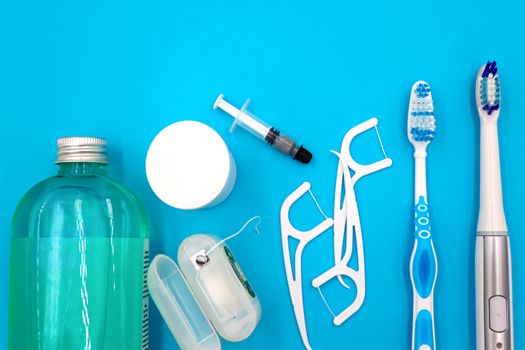
- $1 Brush twice a day and floss daily to remove plaque and prevent gum disease. - $1 Professional cleanings and check-ups every 6 months are vital to monitor implant health. - $1 Avoid chewing on hard objects (like ice or pens) and don’t use your teeth as tools. - $1 Smoking and excessive alcohol use can undermine your oral health and the longevity of your implants.Research shows that with good oral hygiene and regular dental care, the vast majority of implants remain functional and attractive for decades.
What the Future Holds: Advances in Dental Implant Technology
Dental implant technology continues to evolve, making the process faster, more comfortable, and accessible to more people. Recent innovations include:
- $1 Allow for precise planning and custom implants, reducing surgery time and improving outcomes. - $1 Smaller implants for patients with less bone, offering less invasive solutions. - $1 In select cases, replacement teeth can be attached the same day as implant placement, minimizing time without a tooth.With ongoing research and development, the future of dental implants looks brighter than ever, promising even higher success rates and better patient experiences.
Looking Ahead: Is a Dental Implant Right for You?
Choosing dental implants is a significant decision, but for many, the results are truly life-changing. They offer unmatched stability, natural appearance, and long-term health benefits compared to other tooth replacement options. If you’re considering dental implants, consult with a qualified dentist or oral surgeon to discuss your individual needs and expectations. With careful planning and proper care, dental implants can provide a lifelong solution for missing teeth and a confident, healthy smile.