As we age, our bodies go through countless changes—and our mouths are no exception. Elderly individuals face unique dental challenges that differ significantly from those of younger adults or children. In fact, according to the Centers for Disease Control and Prevention (CDC), nearly 1 in 5 adults aged 65 or older have lost all their teeth, and over 68% suffer from gum disease. With longer life expectancies and advances in dental care, more seniors are keeping their natural teeth well into their golden years. However, this also means there is an increased need for specialized dental care tailored to the aging population.
Caring for elderly teeth is not just about preventing cavities—it's about addressing a range of oral health issues linked to aging, chronic conditions, medications, and physical limitations. Understanding these specific needs and following targeted recommendations can drastically improve both oral health and overall quality of life for seniors. In this guide, we’ll explore the unique challenges of elderly dental care, outline practical solutions, and provide expert-backed advice for caregivers and older adults alike.
The Unique Dental Needs of Seniors
Older adults face dental issues that often go unnoticed until they become significant problems. Some of the most common oral health challenges among seniors include:
.png) 1. Dry Mouth (Xerostomia): Reduced saliva production is common in older adults, often due to medications for chronic conditions like hypertension, diabetes, or depression. Saliva is critical for neutralizing acids, washing away food particles, and preventing tooth decay.
2. Thinning Enamel: Over time, tooth enamel naturally wears down, increasing sensitivity and the risk of cavities, especially near the gum line where enamel is thinnest.
3. Gum Disease: The CDC reports that 68% of adults aged 65 and over have gum disease, which, if left untreated, can lead to tooth loss and has been linked to heart disease, diabetes, and respiratory conditions.
4. Root Decay: As gums recede with age, tooth roots become exposed and more vulnerable to decay.
5. Dental Prosthetics: Many seniors rely on dentures, bridges, or implants, each with their own care requirements and potential complications.
6. Physical or Cognitive Limitations: Arthritis, Parkinson’s disease, or dementia can make oral hygiene routines difficult, increasing the risk of oral health problems.
1. Dry Mouth (Xerostomia): Reduced saliva production is common in older adults, often due to medications for chronic conditions like hypertension, diabetes, or depression. Saliva is critical for neutralizing acids, washing away food particles, and preventing tooth decay.
2. Thinning Enamel: Over time, tooth enamel naturally wears down, increasing sensitivity and the risk of cavities, especially near the gum line where enamel is thinnest.
3. Gum Disease: The CDC reports that 68% of adults aged 65 and over have gum disease, which, if left untreated, can lead to tooth loss and has been linked to heart disease, diabetes, and respiratory conditions.
4. Root Decay: As gums recede with age, tooth roots become exposed and more vulnerable to decay.
5. Dental Prosthetics: Many seniors rely on dentures, bridges, or implants, each with their own care requirements and potential complications.
6. Physical or Cognitive Limitations: Arthritis, Parkinson’s disease, or dementia can make oral hygiene routines difficult, increasing the risk of oral health problems.
Recognizing these unique vulnerabilities is the first step in providing effective care for elderly teeth.
Daily Oral Hygiene Strategies for Older Adults
Aging doesn’t mean giving up on strong, healthy teeth. Instead, it requires adapting oral hygiene routines to meet changing needs. Here are essential strategies for maintaining oral health in later life:
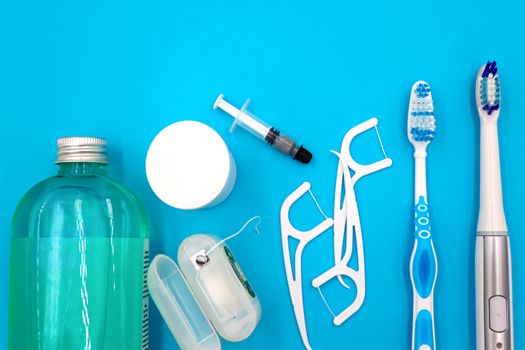
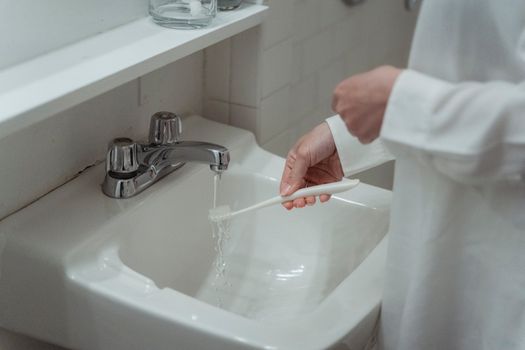
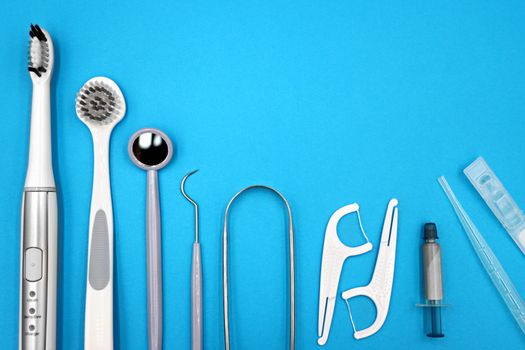
- Use a Soft-Bristled Toothbrush: Seniors often have sensitive gums and thinner enamel. A soft-bristled or electric toothbrush is gentle on gums and more effective at removing plaque, especially for those with limited dexterity. - Choose the Right Toothpaste: Fluoride toothpaste helps strengthen enamel, while formulas designed for sensitive teeth can relieve discomfort. For those with dry mouth, consider toothpaste and mouthwashes specifically formulated to boost moisture. - Clean Between Teeth Daily: Flossing remains crucial, but for seniors with arthritis or mobility issues, floss picks, interdental brushes, or water flossers are easier to handle and just as effective. - Denture Hygiene: Dentures must be cleaned daily with a non-abrasive cleaner, soaked overnight, and removed for at least 6 hours to let the tissues rest. Neglecting denture care can lead to infections like stomatitis or oral thrush. - Regular Tongue Cleaning: The tongue harbors bacteria that can contribute to bad breath and infections. A tongue scraper or soft brush can be used gently each day. - Stay Hydrated: Seniors should sip water throughout the day to help prevent dry mouth and keep oral tissues healthy.Managing Medical Conditions and Medication Side Effects
Chronic health conditions and the medications used to manage them can significantly impact oral health in the elderly. Here’s how:
- Medication-Induced Dry Mouth: More than 400 commonly prescribed drugs—such as antihistamines, blood pressure medications, and antidepressants—list dry mouth as a side effect. This not only causes discomfort but also increases cavity risk and difficulty swallowing. - Diabetes: Seniors with diabetes are at higher risk for gum disease, oral infections, and slower healing after dental procedures. Good blood sugar control and meticulous oral hygiene are essential. - Heart Disease and Stroke: Gum disease has been linked to increased risk of heart conditions and stroke. Seniors with cardiovascular issues need to be particularly vigilant about gum health. - Osteoporosis: This condition weakens bones, including those supporting the teeth. Some osteoporosis medications can cause jaw problems, especially after dental surgery.To address these challenges:
- Discuss all medications and health conditions with your dentist. They can recommend saliva substitutes, moisturizing mouthwashes, and adaptations to dental care routines. - Schedule more frequent dental checkups—at least two times per year, or more if recommended. - Coordinate care between dentists, physicians, and caregivers to ensure comprehensive health management.The Role of Nutrition in Elderly Dental Health
Nutrition plays a vital role in maintaining strong teeth and healthy gums, especially for seniors who may have dietary restrictions or difficulty chewing.
- Calcium and Vitamin D: Both are essential for maintaining bone density in the jaw and preventing tooth loss. According to the National Institutes of Health, adults over 70 need 1,200 mg of calcium and 800 IU of vitamin D daily. - Protein: Protein deficiencies can slow the healing of oral tissues and increase infection risk. Good sources include lean meats, eggs, beans, and dairy. - Fiber-Rich Foods: Crunchy fruits and vegetables help stimulate saliva and naturally clean teeth. Apples, carrots, and celery are excellent choices. - Limiting Sugar: Seniors are more susceptible to root decay, which is exacerbated by sugary foods and drinks. - Easy-to-Eat Options: For those with dentures or difficulty chewing, opt for soft yet nutritious foods like yogurt, scrambled eggs, and steamed vegetables.A balanced diet not only supports oral health but also boosts immunity and overall well-being.
Professional Dental Care: What Seniors Should Expect
Regular dental visits are crucial for elderly individuals—even those with full dentures. Professional care can help detect issues early, provide deep cleaning, and offer personalized recommendations. Here’s what seniors and caregivers should look for:
- Comprehensive Oral Exams: These should include visual inspections, oral cancer screenings, gum measurements, and X-rays when necessary. - Cleaning and Scaling: Removing tartar and plaque from below the gum line prevents gum disease and tooth loss. - Adjustment of Dental Appliances: Dentures and bridges may need periodic adjustment or rebasing to maintain a comfortable fit and prevent sores or infections. - Preventive Treatments: Seniors may benefit from in-office fluoride treatments or dental sealants to protect vulnerable teeth. - Emergency Preparedness: Seniors are at higher risk for dental emergencies like broken teeth, abscesses, or lost crowns. Establish a relationship with a dental provider who can offer urgent care if needed.Comparing Dental Care Needs: Younger Adults vs. Seniors
To better understand how elderly dental care differs, here’s a comparison table highlighting key distinctions:
| Aspect | Younger Adults (18-45) | Seniors (65+) |
|---|---|---|
| Common Conditions | Cavities, mild gum disease, orthodontic issues | Gum disease, root decay, dry mouth, tooth loss |
| Saliva Production | Generally normal | Often reduced (due to medications/age) |
| Enamel Thickness | Thicker, more resilient | Thinner, prone to sensitivity |
| Dental Prosthetics | Less common (crowns, minor bridges) | More common (dentures, implants, bridges) |
| Self-Care Ability | Generally independent | Often requires assistance (due to mobility/cognition) |
| Visit Frequency | Every 6-12 months | Every 3-6 months or as advised |
Caregiver Tips for Supporting Elderly Oral Health
Many seniors rely on family members or professional caregivers for daily support. Here’s how caregivers can help maintain oral health:
- Assist with Brushing and Flossing: For those with limited mobility, caregivers can help by gently brushing and flossing or using adaptive devices. - Monitor for Problems: Look for signs of pain, swelling, bad breath, loose teeth, or changes in eating habits—these could indicate oral health issues. - Encourage Hydration and Healthy Diet: Remind seniors to drink water and eat a variety of tooth-friendly foods. - Schedule and Escort to Dental Appointments: Help arrange regular dental visits and accompany the senior to ensure they receive appropriate care and understand instructions. - Communicate with Healthcare Providers: Share any observations about oral health with the dentist and primary care physician to ensure coordinated care.Final Thoughts on Caring for Elderly Teeth
Oral health is a cornerstone of overall wellness at any age, but it is especially crucial in our later years. The specific needs of elderly teeth—ranging from managing dry mouth and gum disease to accommodating prosthetics and physical limitations—require a proactive, informed approach. By embracing daily hygiene adaptations, prioritizing nutrition, coordinating with healthcare providers, and staying vigilant for problems, seniors and caregivers can help ensure healthy smiles for years to come. Remember: good dental care is not just about teeth—it’s about maintaining dignity, comfort, and quality of life.