Pregnancy is an exciting journey filled with anticipation and profound changes—both physically and emotionally. While many expectant mothers focus on prenatal vitamins, regular doctor visits, and baby preparations, dental health can sometimes slip under the radar. Yet, maintaining healthy teeth and gums during pregnancy is crucial not just for the mother’s well-being, but also for the baby's development. Hormonal changes can increase vulnerability to dental problems, and untreated oral health issues may even affect pregnancy outcomes. This article explores how to avoid dental problems during pregnancy, offering expert-backed tips and clear guidance for expectant mothers.
Understanding the Link Between Pregnancy and Dental Problems
Pregnancy introduces a cascade of hormonal shifts, primarily increased levels of estrogen and progesterone. These hormones are essential for fetal growth, but they also impact oral tissues, making expectant mothers more susceptible to dental issues. According to the Centers for Disease Control and Prevention (CDC), approximately 60-75% of pregnant women experience gingivitis, an early stage of gum disease. Untreated, this can progress to more serious periodontal disease.
Common dental challenges during pregnancy include:
- Pregnancy Gingivitis: Swollen, tender gums that bleed easily. - Tooth Decay: Changes in diet and increased acidity from morning sickness can erode enamel. - Pregnancy Tumors: Non-cancerous gum growths that may appear during the second trimester. - Periodontal Disease: Severe gum infection linked to premature birth and low birth weight.A study published in the Journal of the American Dental Association found that pregnant women with severe gum disease were up to seven times more likely to have a premature birth. This underlines the importance of proactive oral care during pregnancy—not just for comfort, but for the health of both mother and child.
.png)
Key Dental Changes to Expect During Pregnancy
Recognizing the unique oral health challenges of pregnancy is the first step in prevention. Here’s what expectant mothers may notice:
1. Increased Gum Sensitivity and Swelling Hormonal changes promote increased blood flow to gum tissues, making them more sensitive and prone to swelling. Brushing and flossing may cause minor bleeding, which should not be ignored. 2. Higher Risk of Cavities Pregnancy cravings often lean towards sugary snacks, and morning sickness can expose teeth to stomach acids, both of which increase cavity risk. The American College of Obstetricians and Gynecologists (ACOG) notes that dental caries (tooth decay) is among the most common chronic conditions in pregnant women. 3. Shifts in Oral Bacteria The hormonal environment during pregnancy supports the growth of certain bacteria that contribute to gum disease and decay. Meticulous oral hygiene is essential to keep these bacteria in check. 4. Temporary Growths on Gums “Pregnancy tumors” or pyogenic granulomas can develop, especially during the second trimester. They are benign but may bleed easily and cause discomfort.The table below compares common dental changes during pregnancy and their potential impact:
| Dental Change | Estimated Prevalence | Potential Risks |
|---|---|---|
| Gingivitis | 60-75% of pregnant women | Progression to periodontal disease |
| Increased Cavities | Up to 30% of pregnancies | Tooth decay, infection |
| Pregnancy Tumors | 2-10% of pregnancies | Discomfort, bleeding |
| Periodontal Disease | 8-10% of pregnant women | Preterm birth, low birth weight |
Essential Oral Hygiene Tips for Expectant Mothers
While pregnancy increases the risk for certain dental problems, most issues are preventable with consistent care. Here are science-backed strategies for keeping your smile healthy during pregnancy:
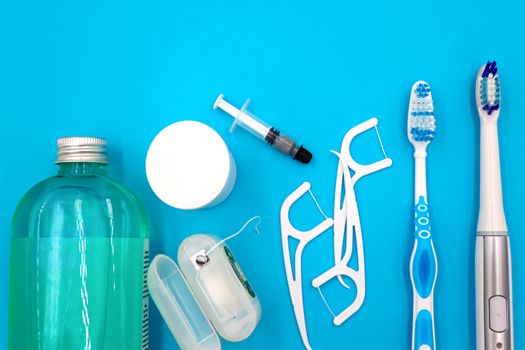
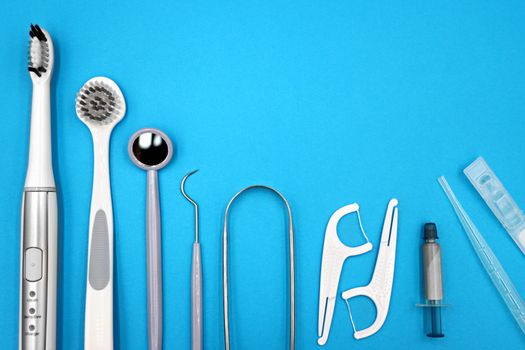
1. Brush Thoroughly Twice Daily Use a soft-bristled toothbrush and fluoride toothpaste. Brush for at least two minutes, focusing on the gumline. Replace your toothbrush every three months or sooner if bristles are frayed. 2. Floss Every Day Flossing removes plaque and food particles your toothbrush can’t reach. Be gentle to avoid irritating sensitive gums, but thorough to disrupt the bacteria that cause gum disease. 3. Rinse After Morning Sickness If you experience vomiting due to morning sickness, rinse your mouth with a mixture of one teaspoon of baking soda in a cup of water. This helps neutralize stomach acids and protects tooth enamel. 4. Limit Sugary and Acidic Foods Cravings are common, but frequent snacking on sweets and acidic foods increases your risk for cavities. Choose healthy snacks like cheese, nuts, or crunchy vegetables when possible. 5. Drink Plenty of Water Water helps wash away food particles and bacteria, and it also stimulates saliva flow, which is your mouth’s natural defense against cavities.Dental Visits and Treatments: Safety During Pregnancy
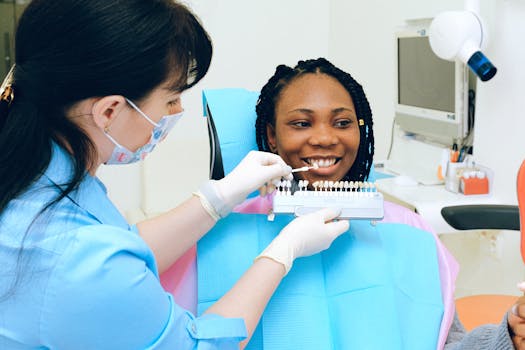
Many expectant mothers worry about the safety of dental treatments during pregnancy. In reality, most routine dental care is not only safe but recommended. The American Dental Association (ADA) and ACOG both advise regular dental check-ups and cleanings during pregnancy.
- $1 The second trimester (weeks 13-27) is generally considered the safest period for non-emergency dental treatments. During the first trimester, organ development is underway, and in the third, lying in the dental chair may become uncomfortable. - $1 Modern dental X-rays use minimal radiation and, with proper shielding, are considered safe during pregnancy if necessary for diagnosis or emergency treatment. - $1 Lidocaine and similar anesthetics have been shown to be safe during pregnancy, particularly in the second trimester. - $1 Tooth infections, abscesses, or severe pain should never be postponed. Untreated dental infections can have serious consequences for both mother and baby.Inform your dentist of your pregnancy and any medications or supplements you’re taking. This will ensure the safest possible care plan.
The Impact of Oral Health on Your Baby’s Wellbeing
Good maternal oral health does more than prevent toothaches—it can have lasting effects on your baby’s health. Several studies have established associations between periodontal disease and adverse pregnancy outcomes. For example, a 2019 review in the International Journal of Environmental Research and Public Health concluded that maternal gum disease could increase the risk of preterm birth by up to 30%.
Additionally, mothers with untreated cavities are more likely to transmit decay-causing bacteria to their infants, leading to early childhood caries. The bacteria Streptococcus mutans, the primary culprit behind cavities, can be passed from mother to baby through saliva, such as sharing utensils or cleaning pacifiers with the mouth.
Maintaining oral health during pregnancy is a powerful way to give your child a healthy start in life.
Adapting Your Routine for Comfort and Success
Pregnancy can come with nausea, fatigue, and food aversions—all of which make maintaining oral hygiene more challenging. Here’s how to adapt your routine:
- $1 Switch to a bland, flavorless toothpaste or brush with just water until you can tolerate toothpaste again. - $1 Use an extra-soft toothbrush, and consider a gentle mouthwash recommended by your dentist. - $1 Keep floss picks or a travel toothbrush by your bedside for quick cleaning before sleep. - $1 Book appointments at times when you feel your best—usually earlier in the day if you’re dealing with morning sickness or fatigue.Remember, small adjustments can make a big difference in keeping your mouth healthy throughout pregnancy.
Final Thoughts on Preventing Dental Problems During Pregnancy
The journey through pregnancy is filled with new experiences and responsibilities, but dental care should remain a top priority. By understanding the unique challenges pregnancy presents to oral health—and by following a tailored hygiene and dental care routine—you can prevent most dental problems before they start. Regular dental visits, healthy dietary choices, and communication with your healthcare team will help ensure both you and your baby stay healthy from the very first smile.