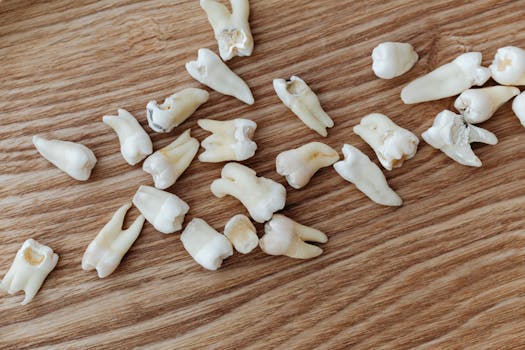
Tooth extraction is often considered a last resort in dental care, but it remains a crucial procedure in certain cases where saving a tooth is impossible or potentially harmful to overall oral health. While modern dentistry emphasizes preservation through restorative techniques, there are scenarios where extraction is not only necessary but also beneficial for long-term health and comfort. Understanding when and why tooth extraction is required can help patients make informed decisions and reduce anxiety about the procedure.
Understanding Tooth Extraction: Beyond the Basics
Tooth extraction, simply put, is the removal of a tooth from its socket in the jawbone. According to the American Dental Association, over 10 million wisdom teeth are extracted annually in the United States alone. However, extraction isn’t limited to wisdom teeth; other teeth may need removal due to disease, trauma, or orthodontic reasons.
The necessity for extraction typically arises when a tooth is so compromised that other treatments, such as fillings, crowns, or root canals, are not viable. Dentists weigh the risks of keeping a diseased or damaged tooth against the benefits of removal, always aiming to protect the patient’s oral and systemic health.
.png)
Severe Tooth Decay and Irreparable Damage
One of the most common reasons for tooth extraction is extensive tooth decay. When decay penetrates deep into the tooth and reaches the pulp—the innermost layer containing nerves and blood vessels—it can lead to infection and severe pain. Root canal therapy can often save a tooth at this stage, but if the decay is too advanced or the tooth structure is largely destroyed, extraction becomes necessary.
A 2022 report from the Centers for Disease Control and Prevention (CDC) revealed that 26% of adults in the U.S. have untreated dental caries, and approximately 20% of adults aged 65 or older have lost all their teeth. This data underscores the impact of severe decay and the role of extraction in managing advanced dental disease.
Similarly, teeth that have been fractured beyond repair—such as from accidents or sports injuries—may also require removal, especially if the break extends below the gum line. In these cases, keeping the tooth could lead to infection or damage to surrounding structures.
Advanced Gum Disease (Periodontal Disease)
Periodontal disease is a progressive condition affecting the gums and bone supporting the teeth. The CDC reports that nearly 47% of adults aged 30 years and older show signs of gum disease. In its advanced stages, periodontitis causes the supporting bone to deteriorate, resulting in loose teeth.
When a tooth loses too much bone support, it may become mobile and painful. Retaining such a tooth can harbor bacteria, exacerbating infection and putting neighboring teeth at risk. Extraction in these scenarios helps eliminate the source of infection and paves the way for future restorative options like dental implants or bridges.
Impacted Teeth: Wisdom Teeth and Beyond
Impacted teeth are those that do not fully erupt into the mouth, often because they are blocked by other teeth or bone. Wisdom teeth, or third molars, are the most frequently impacted teeth. Research indicates that up to 85% of people will need to have their wisdom teeth removed at some point in their lives.
Impacted teeth can cause a variety of problems, including pain, infection (pericoronitis), cyst formation, and damage to adjacent teeth. Extraction is recommended when an impacted tooth poses a risk of these complications, even if it is not currently symptomatic.
It’s not just wisdom teeth that can become impacted; other teeth, such as canines, may also fail to erupt normally. Orthodontists often work with oral surgeons to extract impacted teeth if they cannot be guided into position.
Orthodontic and Prosthetic Needs
Sometimes, healthy teeth need to be extracted to achieve optimal results in orthodontic or prosthetic treatment. For example, in cases of severe crowding, removing one or more teeth creates space for the remaining teeth to be properly aligned. This is particularly common in adolescent orthodontic patients.
Additionally, before fitting dentures or implant-supported bridges, teeth that are non-restorable or poorly positioned may need to be extracted to ensure a stable foundation for the prosthetic device.
Comparing Extraction Necessity: When Is Removal Unavoidable?
To highlight the varying scenarios in which extraction is the best or only option, consider the table below:
| Condition | Alternative Treatments | When Extraction Is Necessary | Prevalence (U.S.) |
|---|---|---|---|
| Severe Tooth Decay | Filling, Crown, Root Canal | Pulp involvement with insufficient tooth structure or failed prior treatment | 26% adults with untreated caries |
| Advanced Gum Disease | Scaling, Root Planing, Surgery | Tooth mobility due to bone loss, persistent infection | 47% adults with some periodontal disease |
| Impacted Teeth | Monitoring, Surgical Exposure | Infection, cysts, damage to adjacent teeth | 85% need wisdom tooth extraction |
| Orthodontic Needs | Expansion, Interproximal Reduction | Severe crowding or jaw size discrepancy | 10-15% of orthodontic cases |
| Prosthetic Preparation | Restoration, Realignment | Non-restorable teeth affecting prosthetic stability | Common in full-arch rehabilitation |
Potential Risks of Avoiding Necessary Extractions
Delaying or avoiding a recommended tooth extraction can have significant negative consequences. Retaining a non-viable tooth can perpetuate infection, resulting in abscesses or even systemic complications like cellulitis or sepsis. In rare cases, untreated dental infections have been linked to life-threatening conditions such as Ludwig’s angina.
Furthermore, a decayed or mobile tooth can compromise the health of adjacent teeth and gums, potentially increasing the need for more extensive treatment in the future. For example, infection from one tooth can spread to others, or bone loss in one area can destabilize the entire dental arch.
In children, failure to extract a severely decayed baby tooth can disrupt the alignment of permanent teeth, leading to orthodontic complications later.
The Extraction Process and Recovery: What to Expect
Understanding the extraction procedure can alleviate anxiety and help patients prepare for recovery. The process generally involves:
1. Assessment: Dental X-rays and clinical evaluation. 2. Anesthesia: Local anesthesia is used to numb the area; sedation may be offered for anxious patients. 3. Extraction: The tooth is loosened and removed with specialized instruments. Surgical extraction may be needed for impacted or broken teeth. 4. Post-Op Care: Patients receive instructions for managing pain, swelling, and bleeding.Recovery typically takes a few days to a week. Most people can return to normal activities within 24-48 hours. Complications are rare but can include dry socket (a painful loss of the blood clot), infection, or nerve injury, particularly with wisdom tooth extractions.
Statistics show that around 90% of simple extractions heal without complications when proper aftercare is followed. Following the dentist’s instructions—such as avoiding smoking and strenuous activity—greatly reduces risk.
Future Solutions: What Comes After Extraction?
Losing a tooth doesn’t mean living with a permanent gap. Dental technology offers several solutions to restore function and aesthetics, including:
- Dental Implants: Titanium posts placed in the jawbone, topped with a crown. Over 3 million Americans have dental implants, with 500,000 more placed annually. - Bridges: Prosthetic teeth anchored to adjacent natural teeth. - Partial or Full Dentures: Removable appliances for multiple missing teeth.The choice depends on the individual’s needs, oral health, and budget. Prompt discussion with a dentist after extraction ensures that replacement options are considered early, minimizing long-term impact.
Conclusion: The Vital Role of Extraction in Oral Health
While tooth extraction may seem daunting, it is sometimes the most prudent step to safeguard oral and overall health. Whether due to severe decay, advanced gum disease, impaction, or orthodontic requirements, extraction can prevent further complications and pave the way for future restoration. With modern anesthesia and techniques, the process is safe and recovery is swift for most patients. Discussing concerns and options with your dental professional ensures that the decision is personalized, evidence-based, and focused on your best interests.