Selecting the right toothbrush is more important than many people realize. With store shelves filled with options—from manual to electric, compact to full-size, and a rainbow of bristle types—choosing can feel overwhelming. One of the most crucial decisions you’ll face is whether to pick a toothbrush with soft or hard bristles. While it may seem like a small detail, the bristle type can significantly affect your oral health. This article will help you navigate the science, expert recommendations, and personal factors that go into making the best choice for your smile.
The Science Behind Toothbrush Bristles: What Are They Made Of?
Before diving into the soft vs. hard bristle debate, it’s useful to understand what toothbrush bristles are made from. Most modern toothbrushes use nylon bristles, which were first introduced in the late 1930s as a more hygienic and durable alternative to animal hair. Today, manufacturers offer bristles in various thicknesses and textures:
- Soft: Typically 0.15-0.20 mm in diameter - Medium: Around 0.21-0.25 mm - Hard/Firm: Usually 0.26 mm or moreThe softness or stiffness of a bristle is primarily determined by its thickness. Softer bristles are thinner and more flexible, while harder ones are thicker and less likely to bend. Some toothbrushes also feature rounded bristle tips, which are less abrasive to enamel and gums.
.png)
Soft vs. Hard Bristles: What Do Dentists Recommend?
When it comes to dental health, the consensus among oral health professionals is clear: soft bristles are usually the safest and most effective choice for most people. The American Dental Association (ADA) recommends soft-bristled toothbrushes, citing their effectiveness at removing plaque and debris without damaging gums or enamel.
A 2019 study published in the Journal of Clinical Periodontology found that soft bristles were just as effective as medium or hard bristles at removing plaque, but caused significantly less abrasion to gums and enamel. Hard-bristled toothbrushes, on the other hand, have been linked to an increased risk of gum recession and enamel wear, especially when combined with aggressive brushing.
But why are soft bristles preferred?
- They flex to clean under the gumline and between teeth more effectively. - They are less likely to cause abrasion, gum irritation, or tooth sensitivity. - They’re better suited for people with sensitive teeth, receding gums, or dental restorations.Yet, some individuals believe hard bristles offer a ‘deeper’ clean. In reality, brushing technique and duration matter far more than bristle stiffness. Scrubbing vigorously with hard bristles can do more harm than good.
Comparing Soft, Medium, and Hard Bristle Toothbrushes
To better understand the pros and cons, here’s a comparison table summarizing key features and effects of each bristle type:
| Bristle Type | Plaque Removal Effectiveness | Risk of Gum Damage | Risk of Enamel Erosion | Ideal For |
|---|---|---|---|---|
| Soft | High | Low | Low | Most adults and children, sensitive teeth/gums, dental restorations |
| Medium | High | Moderate | Moderate | Some adults with healthy gums, no sensitivity |
| Hard | High | High | High | Limited use; not generally recommended |
As this table shows, all bristle types are generally effective at removing plaque. The difference lies in their impact on soft tissues and enamel. According to the ADA, more than 80% of toothbrushes sold in the United States are soft-bristled, reflecting both consumer preference and professional guidance.
Who Might Need Hard Bristles? Special Considerations
While soft bristles are best for the vast majority, are there scenarios where hard bristles make sense? The answer is: rarely, and only under special circumstances. Some users with dentures, dental appliances, or heavy staining from tobacco or coffee may find that a hard-bristled brush helps remove stubborn deposits. However, even in these cases, dental professionals usually recommend alternative cleaning tools, such as denture brushes or specially designed cleaning aids.
For manual toothbrushes, using a hard-bristled brush on natural teeth is almost never advised. A 2016 survey by the American Dental Association found that less than 10% of U.S. dentists recommend hard-bristle toothbrushes, and then only for specific non-dental surfaces, such as cleaning mouthguards or retainers.
If you’re considering hard bristles for tough stains, consult your dentist first. Overzealous brushing can lead to irreversible problems:
- Gum recession exposes tooth roots, increasing sensitivity and decay risk. - Enamel wear cannot be restored naturally, potentially leading to cavities. - Damaged gums are more susceptible to infection and bleeding.Personalizing Your Toothbrush Choice: Factors to Consider
The right toothbrush for you depends on more than just bristle stiffness. Here are several important factors to weigh:
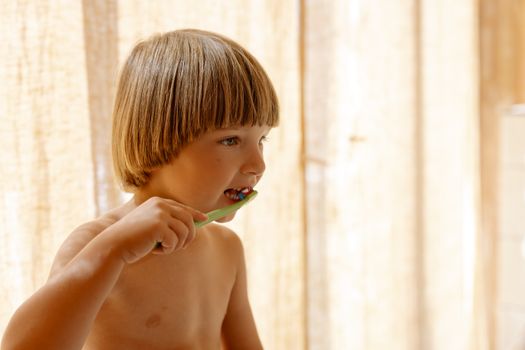
1. $1 - People with sensitive teeth, receding gums, or recent dental work should always choose soft bristles. - Children and teens, whose enamel is thinner and gums are developing, also benefit from soft bristles. 2. $1 - Gentle, circular motions are more effective and less damaging than vigorous back-and-forth scrubbing. The ADA recommends brushing for two minutes, twice a day. - Using a soft-bristled brush with good technique removes as much plaque as a hard brush, without the risk. 3. $1 - Choose a head size that comfortably fits your mouth and reaches all surfaces. - Handle grip and flexibility can also impact comfort and effectiveness. 4. $1 - Replace your toothbrush every 3-4 months, or sooner if bristles become frayed. Worn-out bristles clean less effectively and may harbor bacteria. 5. $1 - Some people simply prefer the “feel” of a certain brush. As long as it’s soft-bristled and ADA-approved, you can choose based on comfort and design.Beyond Bristle Type: Other Toothbrush Innovations
In recent years, toothbrush technology has evolved to support better oral care. Whether you prefer a manual or electric toothbrush, look for these additional features:
- $1 Designed to reach between teeth and along the gumline. - $1 Reduce abrasion and protect soft tissues. - $1 Warn you if you’re brushing too hard. - $1 Make it easier to clean hard-to-reach molars.Electric toothbrushes with oscillating-rotating heads have been shown in clinical studies to remove up to 21% more plaque than manual brushes, according to a 2020 Cochrane Review. However, the most important factor remains using the brush properly, regardless of type.
Why Your Toothbrush Choice Matters for Long-Term Oral Health
Selecting the right toothbrush is about more than comfort—it’s a key step in preventing dental problems that affect millions. According to the Centers for Disease Control and Prevention (CDC), nearly 47% of adults aged 30 and older show signs of gum disease. Improper brushing, whether due to technique or bristle choice, is a significant contributing factor.
Worn enamel cannot be replaced naturally. Gum recession, once started, is difficult to reverse and can lead to costly procedures such as grafts or restorative dental work. By opting for a soft-bristled toothbrush and following proper brushing habits, you can greatly reduce your risk of these issues.
Remember: Toothbrushes are only one part of the oral hygiene equation. Combine brushing with daily flossing, a balanced diet, and regular dental checkups for optimal results.