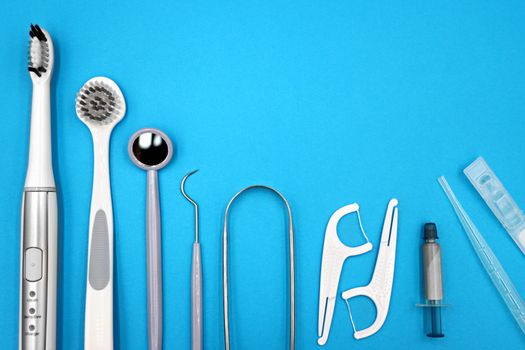
Stress is a universal experience, affecting millions worldwide every day. While most people are aware of stress’s impact on mental and cardiovascular health, its connection to oral health often goes unnoticed. Yet, scientific evidence clearly shows that chronic stress can significantly affect your teeth and gums, sometimes in surprising ways. From triggering harmful behaviors to changing the body’s immune response, stress is a hidden factor behind many oral health issues. Understanding the link between oral health and stress is essential for anyone who wants to maintain a healthy smile and overall well-being.
The Science Behind Stress and Oral Health
Stress is the body’s natural reaction to challenging situations. When you feel stressed, your brain releases hormones such as cortisol and adrenaline. While these hormones help you cope with short-term threats, chronic exposure to stress can have wide-ranging effects on your body—including your mouth.
Research published in the Journal of Dental Research indicates that high levels of stress are associated with increased risk of periodontal (gum) disease. In a 2021 global survey by the International Association of Dental Research, 72% of dentists reported seeing more stress-related oral health conditions among their patients since the onset of the COVID-19 pandemic.
.png)
Here’s how stress affects the mouth at a biological level:
- Immune Suppression: Chronic stress weakens the immune system, making it harder for your body to fight off infections, including those in the gums. - Saliva Reduction: Stress often leads to dry mouth due to reduced saliva production. Saliva is vital for washing away food debris and neutralizing acids that cause tooth decay. - Inflammation: Stress increases inflammation throughout the body, including the gums, heightening the risk for periodontal disease.Common Oral Health Problems Linked to Stress
The consequences of stress on oral health are multifaceted. Below are some of the most common problems dental professionals see among stressed individuals:
1. $1 Bruxism is a condition characterized by grinding or clenching of the teeth, often during sleep. The American Dental Association estimates that 10-15% of adults suffer from bruxism, and stress is a leading trigger. Over time, this can wear down tooth enamel, cause jaw pain, and even lead to cracked or fractured teeth. 2. $1 Chronic stress can worsen gum disease by making the body more susceptible to inflammation and infection. According to the Centers for Disease Control and Prevention (CDC), nearly 47% of adults over 30 have some form of gum disease, with stress identified as a contributing factor in many cases. 3. $1 While the exact cause of canker sores is not fully understood, stress is a widely recognized trigger. Similarly, cold sores—caused by the herpes simplex virus—can be activated or worsened by emotional stress. 4. $1 A dry mouth may seem like a minor inconvenience, but it can lead to significant dental problems, such as increased risk of cavities and oral infections. Stress-induced reduction in saliva is often to blame.Behavioral Pathways: How Stress Leads to Poor Oral Habits
Stress doesn’t only affect the body at a cellular level; it also influences behavior. Many people cope with stress through habits that are detrimental to oral health. Here’s how:
- $1: During periods of high stress, people may skip brushing or flossing, increasing the risk of plaque buildup and gum disease. - $1: Stress can trigger cravings for sugary or starchy foods, which feed the bacteria that cause cavities. - $1: Both tobacco and alcohol are linked to oral cancer, gum disease, and tooth decay. Stress is a common reason people turn to these substances. - $1: These habits can damage teeth and introduce bacteria into the mouth.A 2022 survey by the American Psychological Association found that 38% of adults reported overeating or eating unhealthy foods due to stress, while 25% admitted to skipping regular brushing or flossing when under pressure.
Comparing Oral Health Outcomes: Stressed vs. Non-Stressed Individuals
To better understand the impact of stress on oral health, let’s compare common outcomes between stressed and non-stressed populations. The table below summarizes findings from several recent dental studies.
| Oral Health Condition | Prevalence in Stressed Adults (%) | Prevalence in Non-Stressed Adults (%) |
|---|---|---|
| Bruxism (Teeth Grinding) | 21 | 8 |
| Moderate/Severe Gum Disease | 49 | 32 |
| Canker Sores | 29 | 13 |
| Dry Mouth | 41 | 18 |
These statistics highlight the significant increase in oral health problems among those experiencing chronic stress, emphasizing the need for proactive management.
Signs of Stress-Related Oral Health Issues
Spotting the signs of stress-related dental problems early can prevent long-term damage. Here are key symptoms to watch for:
- $1: Especially in the morning, which may signal nighttime grinding. - $1: Erosion of enamel from grinding or acid reflux (itself stress-related) can cause increased sensitivity. - $1: Swollen or bleeding gums can be a sign of gum disease exacerbated by stress. - $1: Recurring canker or cold sores may be triggered by emotional stress. - $1: If your mouth often feels dry, especially during stressful periods, it could be stress-related xerostomia.If you notice any of these symptoms, it’s important to consult your dentist for an evaluation and tailored advice.
Strategies for Protecting Your Teeth and Gums from Stress
While it’s impossible to eliminate all sources of stress, there are effective ways to protect your oral health—even during challenging times:
1. $1 Brushing twice a day with fluoride toothpaste and flossing daily are your first line of defense. Setting reminders or keeping oral care supplies visible can help when you’re feeling overwhelmed. 2. $1 Practices such as deep breathing, mindfulness meditation, regular exercise, and adequate sleep can lower cortisol levels and reduce oral health risks. The American Institute of Stress recommends at least 10 minutes of daily relaxation to counteract stress’s effects. 3. $1 Choose foods rich in vitamins C and D, calcium, and antioxidants, which help support gum health. Limit sugary snacks and acidic beverages. 4. $1 Be mindful of habits like nail biting, pen chewing, or opening packages with your teeth. These can all damage your enamel or introduce bacteria. 5. $1 If you’re experiencing symptoms like jaw pain, persistent mouth sores, or bleeding gums, don’t hesitate to see your dentist. They may recommend custom mouthguards, prescribe special rinses, or refer you to a healthcare provider for stress management support.Long-Term Impacts and the Importance of Addressing Stress
Ignoring the oral health impacts of stress can lead to long-term consequences, from chronic pain to tooth loss. Gum disease, for example, is the leading cause of adult tooth loss in the United States, and stress is a significant risk factor.
But the effects go beyond the mouth. Studies show a strong link between gum disease and systemic conditions such as heart disease, diabetes, and stroke. Managing stress and maintaining oral health can thus protect both your smile and your overall health.
By understanding the intricate relationship between stress and oral health, you are empowered to take control of both. Recognizing early warning signs and adopting healthy coping strategies can make a measurable difference.