If you’ve ever glanced in the mirror and wished for a brighter, whiter smile, you’re not alone. Teeth whitening has become one of the most sought-after cosmetic dental procedures worldwide. According to a 2023 report by the American Academy of Cosmetic Dentistry, nearly 80% of adults in the United States wish they had whiter teeth, and the global teeth whitening market is projected to reach $8.2 billion by 2026. With such overwhelming demand, it’s no wonder there are both professional in-office treatments and a growing array of at-home whitening products. But what is the difference between in-office teeth whitening and home methods? Understanding these differences can help you choose the best path to a radiant smile that fits your needs, budget, and expectations.
The Science Behind Teeth Whitening: How Do These Methods Work?
Both in-office and at-home teeth whitening methods are built on the same scientific principle: the use of bleaching agents to break down stains on the surface and within the tooth enamel. The most common active ingredients are hydrogen peroxide and carbamide peroxide. However, the concentration, application process, and safety measures can vary drastically.
Professional in-office whitening typically uses higher concentrations of hydrogen peroxide (ranging from 15% to 40%) and may employ advanced technologies like LED lights or lasers to accelerate the bleaching process. Dentists also take measures to protect your gums and soft tissues, ensuring that the potent chemicals only touch your teeth.
.png)
Home whitening methods, on the other hand, include over-the-counter (OTC) whitening strips, gels, and toothpaste as well as custom take-home kits provided by dentists. These products rely on lower concentrations of peroxide (usually 3% to 10%) and are designed for gradual use over days or weeks.
The fundamental takeaway: while the science is similar, the potency and speed of results are quite different between the two approaches.
Speed and Effectiveness: How Fast Can You Expect Results?
One of the most significant differences between in-office teeth whitening and at-home methods is the speed at which you’ll see noticeable changes.
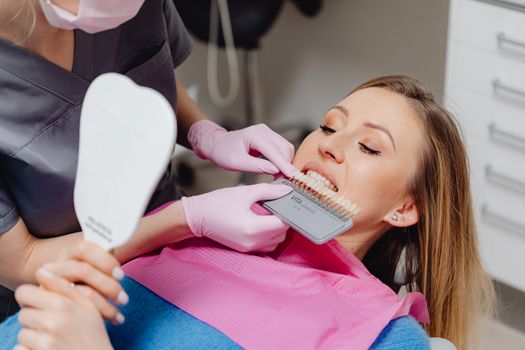
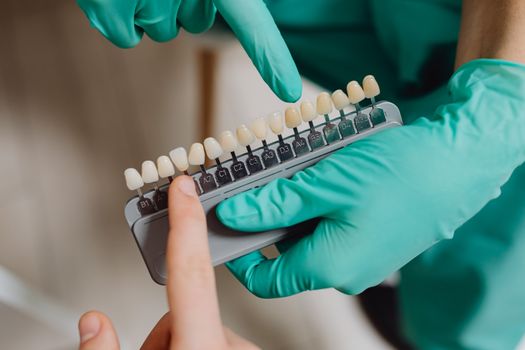
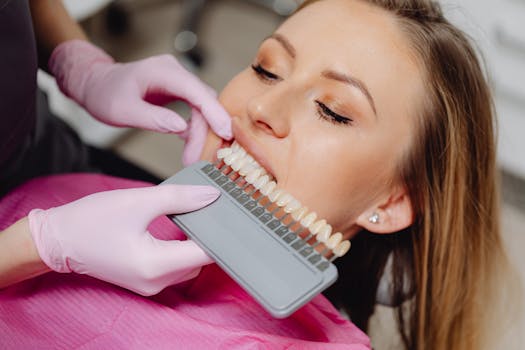
In-office teeth whitening is renowned for its rapid results. Patients often see their teeth lighten by 3 to 8 shades in just a single 60- to 90-minute appointment. For example, Philips Zoom! Whitening and Opalescence Boost, two of the most popular in-office systems, boast up to 8 shades of improvement in one visit. This immediacy makes in-office whitening an ideal choice for people seeking quick transformation—such as before a wedding, job interview, or important event.
Home whitening methods, while effective for many, take longer to show results. OTC whitening strips and gels typically require daily application for 10-14 days, and the average improvement is 2-4 shades. Custom take-home trays supplied by a dentist can deliver more dramatic results (up to 6 shades) but still require daily use for 2-4 weeks.
Here’s a direct comparison:
| Method | Typical Whitening Agent | Concentration | Time to Results | Average Shade Improvement |
|---|---|---|---|---|
| In-Office Whitening | Hydrogen Peroxide | 15-40% | 1 visit (60-90 minutes) | 3-8 shades |
| At-Home Whitening (Dentist-Supplied) | Carbamide Peroxide | 10-20% | 10-14 days | 4-6 shades |
| At-Home Whitening (OTC) | Hydrogen/Carbamide Peroxide | 3-10% | 10-21 days | 2-4 shades |
Safety and Sensitivity: What Are the Risks and Side Effects?
Safety is a top priority when it comes to any dental procedure, and teeth whitening is no exception. The main side effects associated with whitening are tooth sensitivity and gum irritation.
In-office procedures are performed under the supervision of dental professionals who carefully control the application of the whitening agent, use protective barriers, and monitor your comfort. According to a 2022 study in the Journal of Dentistry, only 8-10% of patients report moderate sensitivity after in-office whitening, and most symptoms resolve within 24-48 hours.
At-home methods, especially OTC products, present a higher risk of user error. Overuse or improper application can lead to increased sensitivity, gum burns, or uneven whitening. The American Dental Association (ADA) recommends that consumers use only products that carry the ADA Seal of Acceptance and follow all instructions closely.
Interestingly, studies have shown that about 15-20% of users experience sensitivity with at-home products, often because the strips or trays inadvertently contact the gums or are worn for longer than recommended.
If you have a history of sensitive teeth or dental restorations (like crowns or veneers), it’s wise to consult your dentist before beginning any whitening regimen.
Cost Comparison: Budgeting for a Brighter Smile
Cost plays a substantial role in the decision-making process for teeth whitening. The price difference between in-office treatments and at-home solutions can be dramatic.
Professional in-office whitening is the most costly option, with prices typically ranging from $300 to $1,000 per session in the United States. This cost reflects the expertise of dental professionals, the advanced technology used, and the immediate results delivered.
At-home whitening products from a dentist, such as custom trays with professional-grade gel, cost between $150 and $400 for the complete kit. These offer a balance between effectiveness and affordability.
OTC whitening strips and gels are the most budget-friendly, with prices ranging from $20 to $60 per box. Whitening toothpaste, while less effective at removing deep stains, is even less expensive—typically under $10 per tube.
While cost is a key consideration, remember that cheaper options may not deliver the same level of whitening or may require ongoing purchases to maintain results.
Longevity of Results: How Long Does Whitening Last?
Another critical difference is how long you can expect your results to last. The durability of teeth whitening depends on several factors: the method used, your oral hygiene habits, and your consumption of staining substances like coffee, tea, red wine, or tobacco.
In-office whitening can provide results that last anywhere from 6 months to 2 years, especially when maintained with good oral hygiene and occasional touch-ups. The high concentration of bleaching agents ensures deeper penetration and more comprehensive stain removal.
At-home methods, particularly OTC products, tend to produce results that fade more quickly—typically within 3 to 6 months. Custom trays from a dentist, when used for touch-ups, can help prolong your brighter smile.
To maximize the lifespan of your results, dentists recommend regular brushing and flossing, limiting stain-causing foods and beverages, and scheduling periodic “maintenance” whitening treatments as needed.
Suitability: Which Whitening Option is Right for You?
Choosing between in-office teeth whitening and home methods depends on your goals, oral health, lifestyle, and budget. Here’s how to assess your best fit:
- If you want dramatic results fast or have a special occasion coming up, in-office whitening is likely your best choice. - If you prefer to whiten gradually, are cost-conscious, or want to maintain results after in-office treatment, at-home methods may be ideal. - People with very sensitive teeth, dental restorations, or a history of gum problems should always consult their dentist first—some stains (like those from certain medications or trauma) may not respond to bleaching, and alternative cosmetic solutions might be recommended.It’s worth noting that teeth whitening is considered safe for most adults, but it’s not recommended for children under 16, pregnant or breastfeeding women, or people with untreated dental conditions.
Key Takeaways on In-Office vs. Home Teeth Whitening
Understanding the key differences between in-office teeth whitening and home methods empowers you to make an informed decision for your dental health and cosmetic goals. In-office whitening offers the fastest, most dramatic results under professional supervision, but comes at a higher cost. At-home options are more affordable and convenient, though results are slower and may not be as striking.
Regardless of the method you choose, always prioritize safety and consult your dentist to ensure the best outcome for your unique smile.