As people age, their bodies change in many ways—including their mouths. Dental care for older patients presents unique challenges and needs that differ significantly from those of younger adults and children. Yet, oral health remains a crucial factor in overall well-being throughout life, especially in advanced age. According to the Centers for Disease Control and Prevention (CDC), nearly 1 in 5 adults aged 65 or older has untreated tooth decay, and almost 68% have gum disease. Poor oral health can exacerbate chronic conditions like diabetes and heart disease, making it more important than ever to address dental care as we grow older.
This article explores the distinctive oral health concerns faced by seniors, offers evidence-based strategies for maintaining a healthy mouth, and provides practical advice for older adults and their caregivers. Whether you’re an older adult, a family member, or a caregiver, understanding how to adapt dental care routines for advanced age can make a significant difference in health, comfort, and quality of life.
The Unique Oral Health Challenges Facing Older Adults
Aging brings about a series of changes in oral health. Some of these are natural consequences of time, while others are related to medical conditions or medications. Below are some of the most common dental health issues affecting seniors:
.png) 1. Tooth Wear and Loss: Over the decades, teeth naturally wear down, and the risk of tooth loss increases. The American College of Prosthodontists notes that over 36 million Americans have no teeth, and 120 million are missing at least one tooth.
2. Gum Disease: Periodontal disease is more prevalent among seniors. According to the CDC, 68% of adults aged 65 and older have gum disease, which can progress to tooth loss and systemic health problems if untreated.
3. Dry Mouth (Xerostomia): Many older adults take medications that reduce saliva flow. More than 500 medications—including those for high blood pressure, depression, and allergies—can cause dry mouth, increasing the risk of decay and infection.
4. Oral Cancer: The risk of oral cancer rises with age, with the average age of diagnosis being 63 years. Early detection through regular dental visits is critical.
5. Difficulty Maintaining Oral Hygiene: Arthritis and cognitive decline can make brushing and flossing challenging.
1. Tooth Wear and Loss: Over the decades, teeth naturally wear down, and the risk of tooth loss increases. The American College of Prosthodontists notes that over 36 million Americans have no teeth, and 120 million are missing at least one tooth.
2. Gum Disease: Periodontal disease is more prevalent among seniors. According to the CDC, 68% of adults aged 65 and older have gum disease, which can progress to tooth loss and systemic health problems if untreated.
3. Dry Mouth (Xerostomia): Many older adults take medications that reduce saliva flow. More than 500 medications—including those for high blood pressure, depression, and allergies—can cause dry mouth, increasing the risk of decay and infection.
4. Oral Cancer: The risk of oral cancer rises with age, with the average age of diagnosis being 63 years. Early detection through regular dental visits is critical.
5. Difficulty Maintaining Oral Hygiene: Arthritis and cognitive decline can make brushing and flossing challenging.
Aging doesn’t have to mean losing your teeth or suffering from poor oral health. Understanding these risks is the first step toward prevention and effective management.
The Impact of Oral Health on Overall Well-Being
The mouth is a gateway to the body, and its health has far-reaching effects. Poor oral health can lead to pain, infections, difficulties eating and speaking, and social isolation. But the impact goes even deeper—studies have linked oral infections and gum disease to serious systemic conditions:
- Heart Disease: People with gum disease are nearly twice as likely to suffer from coronary artery disease. - Diabetes: Poor oral health can make blood sugar harder to control, and high blood sugar can worsen gum disease—a dangerous cycle. - Respiratory Issues: Bacteria from the mouth can be inhaled into the lungs, increasing the risk of pneumonia, particularly in nursing home residents.A 2022 study published in the Journal of the American Geriatrics Society found that seniors with poor oral health were 30% more likely to experience malnutrition. Tooth loss and gum disease can limit food choices, leading to inadequate intake of key nutrients.
Given these connections, investing in dental care is not just about protecting teeth—it's about preserving overall health, independence, and quality of life in advanced age.
Adapting Dental Care Routines for Seniors
Oral hygiene routines may need to be modified as physical and cognitive abilities change with age. Here are some strategies to maintain effective dental care:
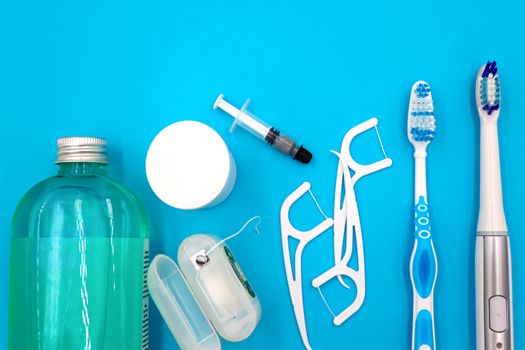
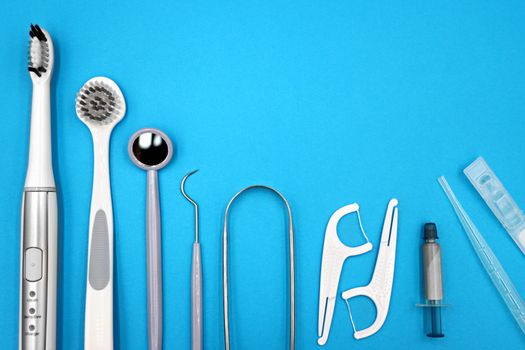
1. Choose the Right Tools: Electric toothbrushes and floss holders can make cleaning easier for those with arthritis or limited dexterity. Soft-bristled brushes are gentler on gums and sensitive teeth. 2. Adjust Technique: Brushing gently twice a day with fluoride toothpaste remains essential. For those with limited mobility, a caregiver may need to assist. Flossing once a day is vital; water flossers can be a helpful alternative. 3. Rinse and Hydrate: Using alcohol-free mouthwash can help manage bacteria without causing dry mouth. Staying hydrated and sucking on sugar-free lozenges can stimulate saliva production. 4. Denture Care: For those with dentures, daily cleaning is crucial. Dentures should be removed at night and soaked in a cleaning solution to prevent fungal infections. 5. Regular Dental Visits: Seniors should see a dentist at least twice a year. Professional cleanings remove plaque and tartar that cannot be addressed by brushing alone, and dentists can screen for oral cancer and other issues. 6. Nutrition: Encourage a balanced diet rich in calcium and vitamin D to support bone and tooth health, and limit sugary snacks that can fuel cavities.Caregivers play a vital role. If a loved one struggles with memory, set up reminders or routines. For those in assisted living, discuss oral care with staff to ensure it remains a priority.
Common Dental Treatments for Older Patients: What to Expect
Many seniors require dental treatments that are less common in younger populations. The following table provides an overview of common dental procedures for older adults, how often they are needed, and what to expect.
| Treatment | Purpose | Estimated Frequency | Special Considerations |
|---|---|---|---|
| Denture Fitting/Adjustment | Replace missing teeth, restore function | Every 5-7 years or as needed | Monitor fit due to gum changes over time |
| Dental Implants | Permanently replace lost teeth | As needed after tooth loss | Requires healthy bone and good healing ability |
| Periodontal Therapy | Treat gum disease | Every 3-4 months for those at risk | May involve deep cleaning or surgery |
| Oral Cancer Screening | Detect early signs of cancer | At every dental visit | Quick, non-invasive; more crucial with age |
| Fluoride Treatments | Prevent cavities and strengthen teeth | Every 3-6 months | Can be done in-office or with prescription toothpaste |
Understanding these treatments helps patients and families make informed decisions and reduces anxiety about dental visits.
Medications, Chronic Illnesses, and Their Effects on Oral Health
Older adults are more likely to have chronic health conditions and take medications, both of which can significantly affect oral health.
1. Medications and Dry Mouth: More than 90% of adults over 65 take at least one prescription drug, and over 50% take three or more daily. Medications for blood pressure, depression, and allergies frequently cause dry mouth, which can accelerate tooth decay and gum problems. 2. Diabetes: Nearly 27% of Americans over 65 have diabetes, according to the American Diabetes Association. Poorly controlled diabetes increases the risk of infections, slows healing, and makes gum disease more severe. 3. Cognitive Decline: Conditions such as Alzheimer’s or Parkinson’s disease can make self-care difficult. Oral health may decline rapidly without support. 4. Heart Disease and Stroke: Oral bacteria can enter the bloodstream, increasing the risk of heart attack and stroke, especially in those with existing heart conditions.To mitigate these risks, older adults should inform their dentist about all medications and health conditions. Dentists can recommend saliva substitutes, adjust oral care routines, and coordinate with physicians to optimize care.
Supporting Independence and Dignity in Oral Care
Maintaining oral health is not only about preventing disease—it’s also about preserving dignity, self-esteem, and social engagement. For many older adults, dental issues can lead to embarrassment, reluctance to smile, or avoidance of social situations. A 2020 survey by the Oral Health Foundation found that 38% of seniors felt less confident due to missing teeth or dentures.
Simple adaptations can help older adults maintain independence in oral hygiene:
- Adaptive toothbrush handles and floss holders for arthritis - Magnifying mirrors and good lighting - Step-by-step written instructions for those with memory challenges - Regular check-ins from caregivers or family membersFor those in long-term care, advocacy is crucial. Research from the Journal of Dental Research (2021) revealed that only 16% of nursing home residents received daily oral care as recommended. Family members can ask about oral health protocols and encourage regular dental checkups to fill this gap.
Final Thoughts: Prioritizing Dental Care in Advanced Age
Dental care for older patients is about much more than preventing cavities—it’s about sustaining overall health, independence, and quality of life in the golden years. By understanding the unique challenges of aging, adapting oral hygiene routines, and supporting regular professional care, seniors and their caregivers can protect not just teeth and gums, but lifelong well-being.
With nearly 54 million Americans aged 65 and older as of 2023, the need for effective dental care in advanced age has never been greater. Prioritizing oral health is an investment in comfort, confidence, and vitality at every stage of life.