Keeping your gums healthy is about much more than simply brushing your teeth twice a day. One of the most overlooked yet essential steps in oral hygiene is flossing. Dental flossing, when done properly, can drastically reduce the risk of gum disease, cavities, and bad breath—all while supporting overall oral health. Yet, many people either skip this crucial step or use incorrect techniques, rendering their efforts less effective. In this comprehensive guide, we’ll break down exactly how to properly use dental floss, step by step, so you can enjoy healthier gums and a brighter smile.
Why Dental Flossing Is Critical for Gum Health
To appreciate the importance of flossing, it helps to understand what’s happening between your teeth and below the gumline. Brushing alone removes plaque and food debris from the surfaces of your teeth, but it cannot reach the tight spaces in between. According to the American Dental Association (ADA), flossing removes up to 80% of interdental plaque, which is a major contributor to gum disease (gingivitis and periodontitis).
Periodontal disease affects nearly 47% of adults aged 30 and older in the United States, according to data from the Centers for Disease Control and Prevention (CDC). Most cases begin with gums that are inflamed due to a buildup of plaque. Without daily flossing, this plaque hardens into tartar, which can only be removed by a dental professional and may eventually lead to tooth loss.
.png)
Types of Dental Floss: Which Is Right for You?
Before diving into the step-by-step process, it’s important to select the right type of floss for your needs. The market offers a surprising variety, each designed to address different dental situations:
| Type of Floss | Best For | Key Features |
|---|---|---|
| Waxed Floss | Most users, tight contacts | Smooth coating, slides easily between teeth |
| Unwaxed Floss | Normal to wide tooth gaps | Thinner, sometimes squeaks to signal plaque removal |
| Dental Tape | Wider gaps, bridgework | Flat, ribbon-like, covers more surface area |
| Super Floss | Braces, bridges, implants | Stiffened end, spongy middle, regular floss segment |
| Floss Picks | On-the-go, dexterity issues | Plastic handle with pre-threaded floss |
For most people, traditional waxed or unwaxed floss works well. If you have braces, dental tape, or sensitive gums, ask your dentist for a recommendation tailored to your needs.
Step-by-Step Guide: How to Properly Use Dental Floss
Mastering the correct flossing technique is key to maximizing its health benefits. Here’s a simple, effective step-by-step process:
1. $1 Break off about 18 inches (45 cm) of floss. This gives you enough clean section for each tooth and better control. 2. $1 Wind most of the floss around the middle finger of one hand, and the rest around the same finger on the opposite hand. Use your thumbs and forefingers to guide the floss. 3. $1 Hold the floss tightly between your thumbs and forefingers, leaving about 1-2 inches of floss to work with. Gently slide the floss between your teeth, using a gentle back-and-forth motion. Never snap the floss into the gums, as this can cause injury. 4. $1 When the floss reaches the gumline, curve it around one tooth in a C-shape. Slide it gently into the space between the gum and the tooth. 5. $1 Move the floss up and down against the side of the tooth and under the gumline. Repeat on the other side of the gap before moving to the next tooth. 6. $1 As you progress, wind used floss onto one finger and unwind a clean section from the other. This prevents moving plaque from one spot to another. 7. $1 Don’t forget the back side of your last tooth. Continue until all teeth have been flossed.Flossing once a day—ideally at night before brushing—will help prevent plaque buildup and support healthier gums.
Common Flossing Mistakes and How to Avoid Them
Even those who floss regularly may fall into common traps that can compromise their efforts or hurt their gums. Here are some frequent mistakes and how to correct them:
1. $1 Forcing the floss between teeth can cut or bruise the gums. Always use gentle motions and angle the floss to follow the natural curve of your tooth. 2. $1 Many people forget to floss the back molars or skip problematic areas. Make sure to floss every tooth, including the farthest molars. 3. $1 Reusing floss segments can spread bacteria and plaque. Use a fresh section for each tooth gap. 4. $1 Vigorous or rushed flossing can cause gum recession and bleeding. Instead, use slow, deliberate motions. 5. $1 Bleeding gums are often a sign of inflammation, not a reason to stop. With consistent, gentle flossing, bleeding usually subsides within a week or two as gum health improves.Remember: Proper flossing should not be painful. If discomfort persists, consult your dentist to check for underlying issues.
The Science Behind Flossing: What Research Shows
Dental professionals have championed flossing for decades, and scientific evidence strongly supports its role in oral health. A 2019 review published in the Journal of Dental Research found that flossing in combination with brushing resulted in a 40% reduction in bleeding gums compared to brushing alone.
Another study from the American Academy of Periodontology showed that people who floss regularly have a significantly lower risk of developing periodontitis, a severe form of gum disease that can lead to tooth loss. Flossing also reduces the risk of interproximal cavities—cavities that develop between teeth, which account for about 29% of all dental caries in adults, according to the National Institute of Dental and Craniofacial Research.
For children and older adults, using flossing aids such as floss picks or interdental brushes may be more practical. These tools have been shown to be nearly as effective as traditional floss when used correctly.
Dental Floss Alternatives: When Floss Isn’t Enough
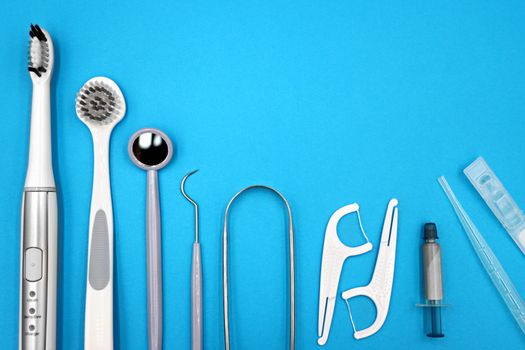
While flossing is highly effective, certain situations may call for additional tools or alternative methods, especially for individuals with braces, bridges, or limited dexterity. Here are some popular options:
- $1 Small, bristled brushes designed to clean between teeth. Effective for wider spaces and around orthodontic appliances. - $1 Devices that use a pressurized stream of water to remove debris. Studies show water flossers can reduce bleeding and plaque as much as, or more than, traditional floss in some cases. - $1 Flexible rubber picks that massage the gums and remove food particles.Here’s a comparison of flossing tools:
| Tool | Best Use | Effectiveness | Ease of Use |
|---|---|---|---|
| Traditional Floss | Most people | High for tight contacts | Moderate (requires dexterity) |
| Floss Picks | On-the-go, kids, elderly | Moderate | Easy |
| Interdental Brushes | Wider gaps, braces | High for open spaces | Easy |
| Water Flossers | Sensitive gums, implants | Varies (high for inflammation) | Very easy |
No matter what tool you choose, consistency and proper technique are the most important factors for achieving and maintaining healthy gums.
Building the Flossing Habit: Tips for Long-Term Success
Committing to daily flossing can be challenging, especially if it’s not part of your usual routine. Here are practical strategies for making flossing a lifelong habit:
- $1 Use alarms, calendar alerts, or sticky notes as gentle nudges. - $1 Place floss next to your toothbrush as a visual reminder. - $1 Some studies suggest flossing before brushing may allow more fluoride from toothpaste to reach between teeth. - $1 Track your progress and celebrate milestones, such as a week or month of consistent flossing. - $1 Get children involved early to establish the habit for life. Supervise kids until they’re about 10 years old, as manual dexterity develops with age.According to a 2023 survey by the ADA, only 30% of Americans floss daily, but those who do report fewer dental problems and less frequent dental visits. Even flossing a few times a week is better than not at all, so don’t be discouraged if you’re just starting out.
Final Thoughts on How to Properly Use Dental Floss
Flossing isn’t just a box to check off during your nightly routine—it’s a powerful tool for protecting your oral and overall health. By choosing the right floss, using proper technique, and committing to daily use, you can dramatically lower your risk of gum disease, cavities, and other dental problems. Remember, healthier gums lead to a healthier smile, and with the step-by-step guidance above, you’ll be well on your way to making flossing an effortless, rewarding part of your life.