Visiting the dentist is something many people put off, often due to busy schedules, dental anxiety, or the belief that if their teeth don’t hurt, there’s no reason to go. However, regular dental check-ups play a vital role in not only maintaining oral health but also preventing serious health problems. Skipping or delaying these appointments can have long-term impacts that reach far beyond your mouth. But how often should you really go to the dentist, and what makes these visits so essential? Let’s explore the importance of regular dental check-ups, the recommended frequency, and the reasons why these visits matter for everyone—regardless of age or oral hygiene habits.
Understanding Dental Check-Ups: What Happens During a Visit?
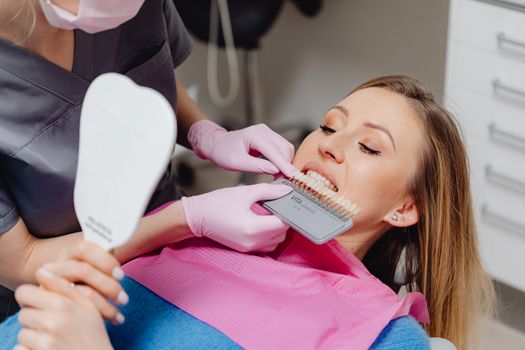
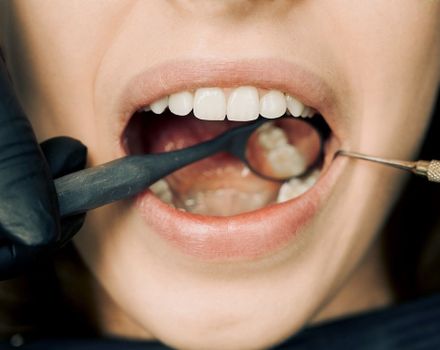
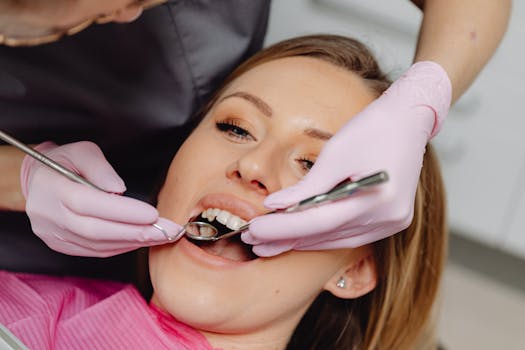
A dental check-up is far more than just a quick look at your teeth. It’s a comprehensive assessment of your oral health. During a typical check-up, your dentist will:
- Examine your teeth, gums, and mouth for signs of decay, disease, or abnormalities - Check for early indicators of oral cancer, gum disease, and other systemic conditions - Take dental X-rays (if necessary) to spot issues not visible to the naked eye, like cavities between teeth or bone loss - Perform a thorough cleaning to remove plaque and tartar buildup - Offer personalized advice on brushing, flossing, and dietary habitsAccording to the American Dental Association (ADA), these visits are crucial for identifying problems early, often before you notice symptoms. In fact, the Centers for Disease Control and Prevention (CDC) reports that nearly 26% of adults in the U.S. have untreated tooth decay, highlighting the importance of routine dental monitoring.
.png)
How Often Should You Have a Dental Check-Up?
The standard advice you may have heard is to visit the dentist twice a year. But is this a hard and fast rule? The answer depends on your individual risk factors and oral health status.
The ADA and most dental professionals recommend check-ups every six months for most people. However, those with higher risk of dental problems—such as smokers, pregnant women, diabetics, or individuals with a history of gum disease—may need to visit more frequently. Conversely, people with excellent oral health habits may be able to go a bit longer between visits, as advised by their dentist.
Here’s a simple overview of recommended check-up frequencies:
| Category | Recommended Frequency | Why? |
|---|---|---|
| General Adult Population | Every 6 months | Prevention and early detection of issues |
| High-Risk Groups (e.g., smokers, diabetics, pregnant women, history of gum disease) | Every 3-4 months | Closer monitoring for developing problems |
| Children | Every 6 months | Monitoring growth, cavity prevention |
| Low-Risk Adults (excellent oral health, no history of dental disease) | Every 12 months (as recommended by dentist) | Lower risk allows for extended intervals |
According to a 2022 survey by the ADA, about 65% of adults in the U.S. report visiting a dentist within the past year, but only 52% say they visit at least twice a year. This gap suggests many are not receiving optimal preventive care.
The Hidden Benefits of Regular Dental Visits
Routine dental appointments offer several advantages beyond just keeping your smile bright:
1. $1: Dentists are trained to spot early signs of oral health issues, such as cavities, gum disease, and even oral cancer. The Oral Cancer Foundation reports that early detection increases the five-year survival rate from 57% to over 80%. 2. $1: Professional cleanings remove plaque and tartar that brushing and flossing miss. Left untreated, tartar can cause gum disease, which affects nearly 47% of adults over age 30 in the U.S. (CDC data). 3. $1: Treating dental problems early is far less expensive than waiting until they become severe. A simple filling can cost between $150-$300, while a root canal or tooth extraction can exceed $1,000. 4. $1: Gum disease has been linked to heart disease, diabetes, respiratory infections, and even pregnancy complications. Regular dental visits can reduce your risk for these systemic health problems. 5. $1: Knowing your oral health is regularly monitored can ease anxiety and help you maintain confidence in your smile.What Happens If You Skip Regular Dental Check-Ups?
Neglecting routine dental visits can have a domino effect on your oral and overall health. Here’s what can happen if you skip appointments:
- $1: Cavities, when caught early, are simple to treat. Left unchecked, they can require root canals or extractions. - $1: Early-stage gum disease (gingivitis) is reversible, but advanced periodontal disease can lead to tooth loss and costly treatments. - $1: This disease often has subtle symptoms in its early stages. Regular exams are essential for early diagnosis. - $1: Emergency dental treatments and hospital visits for preventable dental issues cost Americans over $2 billion annually, according to the ADA. - $1: Oral pain, missing teeth, or chronic bad breath can all affect your confidence and social interactions.Tailoring Dental Check-Ups for Different Life Stages
Oral health needs change throughout life, making the frequency and focus of dental check-ups different for children, adults, and seniors.
- $1: Regular visits from the eruption of the first tooth help monitor growth, prevent cavities, and establish healthy habits. The CDC reports that about 23% of children ages 2-5 have dental caries (cavities) in their primary teeth. - $1: Orthodontic assessments, wisdom tooth monitoring, and guidance on oral hygiene are critical during these years. - $1: Stress, hormonal changes, and certain medications can increase the risk of gum disease and tooth decay. Regular check-ups help manage these risks. - $1: Older adults face unique challenges, including dry mouth, root decay, and tooth loss. Dental visits can help maintain oral function, which is closely connected to nutrition and general health.How to Make the Most of Your Dental Check-Ups
To reap the full benefits of your dental visits, preparation and communication are key:
- $1: Note any pain, sensitivity, or changes in your mouth to discuss with your dentist. - $1: Inform your dentist of any new medications, medical conditions, or allergies. - $1: Don’t hesitate to ask about recommended treatments, preventive strategies, or costs. - $1: Adhere to your dentist’s recommendations for home care and follow-up visits.A study published in the Journal of Dental Research found that patients who maintained regular dental appointments had 30% fewer tooth extractions, emphasizing the value of ongoing care.
Final Thoughts on the Importance of Regular Dental Check-Ups
Regular dental check-ups are a cornerstone of lifelong oral and overall health. They provide far more than just a cleaning; they offer early detection, prevention, and guidance tailored to your personal needs. By understanding how often you should see your dentist and why these visits matter, you can take proactive steps to protect your smile and well-being for years to come. Making dental care a consistent part of your routine is a small investment with significant returns for both your health and your confidence.