Caring for orthodontic appliances is a crucial step on the journey to a beautiful, healthy smile. Whether you’re sporting traditional metal braces, clear aligners, retainers, or other specialized orthodontic devices, the way you care for them will directly impact your results and your oral health. While your orthodontist will provide basic instructions, understanding the proven best practices for appliance care can make a significant difference in treatment outcomes and overall comfort. In this comprehensive guide, we’ll explore essential strategies, common pitfalls, and science-backed tips for keeping your orthodontic appliances — and your teeth — in top shape.
The Importance of Proper Orthodontic Appliance Care
Orthodontic appliances are precision devices designed to move teeth into their ideal positions over months or years. Their effectiveness and your dental health depend heavily on day-to-day care. Poor maintenance can lead to a variety of issues:
- Increased risk of cavities and gum disease: Research shows that patients with braces have up to 5 times more plaque accumulation than those without, significantly raising the risk of tooth decay. - Appliance breakage or loss: Damaged wires, brackets, or lost aligners can prolong treatment by weeks or even months. - Staining and discoloration: Plaque buildup around appliances can cause unsightly white spots or permanent enamel stains. - Delays in treatment: According to the American Association of Orthodontists, up to 20% of treatment delays are due to preventable appliance issues.By prioritizing proper care, you’ll not only speed up your path to straight teeth but also avoid costly and time-consuming setbacks.
.png)
Cleaning Techniques for Different Types of Orthodontic Appliances
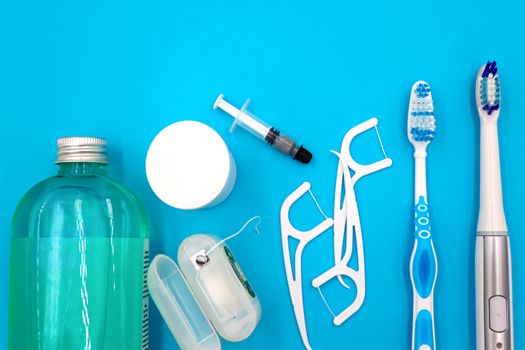
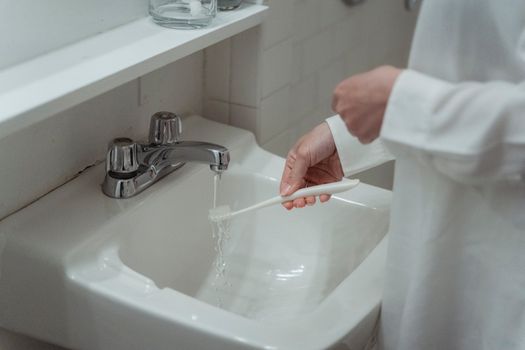
Not all orthodontic appliances are created equal — and neither are their cleaning requirements. Here’s a breakdown of the most common types and how to care for each:
| Appliance Type | Cleaning Method | Frequency | Special Tips |
|---|---|---|---|
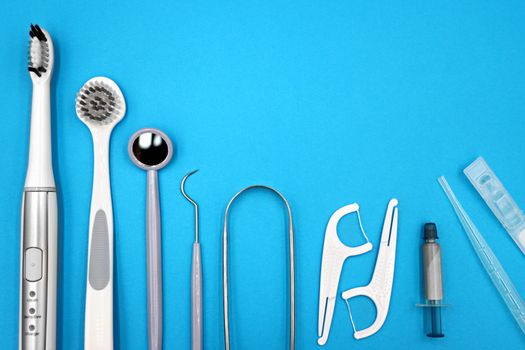
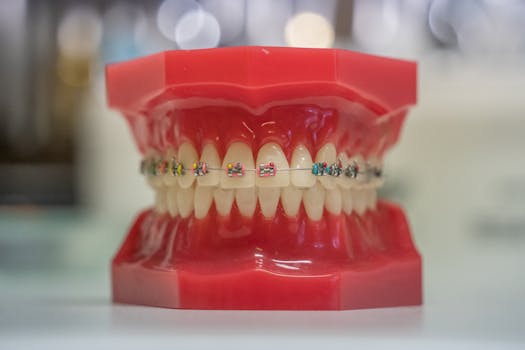
| Traditional Braces | Soft-bristle brush, interdental brush, fluoride toothpaste | After every meal, before bed | Angle brush at 45°; use floss threaders for wires |
| Clear Aligners (e.g., Invisalign) | Rinse, soft brush, clear aligner cleaning crystals | Every morning and night; rinse after meals | Avoid toothpaste (can scratch plastic); avoid hot water |
| Removable Retainers | Mild soap, soft brush, retainer cleaning tablets | Daily | Do not use boiling water; store in case when not in use |
| Lingual Braces | Soft brush, interdental brush, oral irrigator | After every meal | Focus on tongue-side surfaces; regular flossing |
For all appliances, consistency is key. Establish a routine and stick to it, even if you’re tired or busy. Dental professionals recommend spending at least 2-3 minutes cleaning your appliance and teeth during each session.
Foods to Avoid and Dietary Best Practices
Even the most advanced orthodontic devices are vulnerable to damage from certain foods. Here are some proven dietary guidelines for patients:
- Hard and crunchy foods: Nuts, popcorn, hard candies, and ice can break brackets or bend wires. - Sticky foods: Chewing gum, caramel, and gummy candies can cling to appliances and cause breakage. - Sugary and acidic foods: Frequent exposure increases the risk of cavities and enamel erosion, especially around brackets and wires.Instead, focus on:
- Soft foods: Yogurt, pasta, scrambled eggs, and steamed vegetables are easier on appliances. - Cut food into small pieces: Even firmer foods like apples or carrots can be eaten safely when sliced thinly. - Rinse with water after eating: If brushing immediately isn’t possible, rinsing helps dislodge food particles and reduce acid exposure.A study published in the Journal of Orthodontics found that patients who followed dietary restrictions had 30% fewer appliance breakages and less inflammation of the gums.
Managing Discomfort and Preventing Common Problems
Orthodontic appliances can cause irritation, soreness, and minor injuries if not managed properly. Here’s how to minimize discomfort and prevent common issues:
- Use orthodontic wax: If a wire or bracket is rubbing or poking your cheek, cover the spot with a small amount of dental wax. Replace as needed. - Saltwater rinses: Swishing with warm salt water (1/2 teaspoon salt in 8 ounces of water) several times a day can soothe irritated tissues. - Over-the-counter pain relief: Ibuprofen or acetaminophen can ease discomfort after adjustments, but always follow your orthodontist’s advice. - Promptly address emergencies: If you notice a loose bracket, bent wire, or damaged aligner, contact your orthodontist immediately. Delaying repairs can extend treatment time and increase the risk of complications.Additionally, avoid habits like chewing on pens, biting your nails, or opening packages with your teeth — these activities can easily damage orthodontic appliances.
The Role of Regular Check-Ups and Monitoring Progress
Consistent follow-up visits are essential for successful orthodontic treatment. On average, patients with braces or aligners should see their orthodontist every 4-8 weeks. These appointments allow for:
- Adjustments: Your appliance may need tightening, new wires, or updated aligners. - Oral health assessments: Professionals can check for signs of decay, gum disease, or appliance wear. - Progress monitoring: Digital scans or X-rays help ensure teeth are moving as planned.Missing appointments can set back your treatment. According to a 2022 survey by the British Orthodontic Society, patients who skipped more than two consecutive check-ups were 60% more likely to experience prolonged treatment times or less-than-ideal results.
If you experience persistent pain, significant appliance damage, or signs of infection (such as swelling or pus), schedule an emergency visit.
Post-Treatment Care: Retainers and Long-Term Maintenance
Once your braces or aligners come off, the retention phase begins. Retainers keep your teeth in their new positions and prevent relapse, which can occur in up to 70% of patients without proper retention.
Key retention care tips:
- Wear as directed: Most patients use removable retainers full-time for the first 3-6 months, then transition to nighttime wear. Fixed retainers require diligent cleaning. - Clean retainers daily: Use a soft brush and mild soap, or retainer-specific cleaning tablets. Avoid abrasive toothpaste and hot water, which can warp plastic. - Store safely: Always keep removable retainers in their case when not in use. Pets and accidental discarding are leading causes of retainer loss. - Schedule regular check-ups: Your orthodontist will monitor your bite and retainer fit, making adjustments as needed.Long-term, maintaining excellent oral hygiene and healthy habits is crucial to keeping your smile straight and your teeth healthy.
Final Thoughts on Caring for Orthodontic Appliances
Caring for your orthodontic appliances is not just about following a list of rules — it’s about building daily habits that support your oral health and maximize your treatment investment. By developing a consistent cleaning routine, making smart food choices, managing discomfort proactively, and keeping up with orthodontic appointments, you’ll pave the way for a stunning smile that lasts a lifetime. Remember, your orthodontist is your partner in this process: don’t hesitate to ask questions or seek help if you encounter challenges along the way.