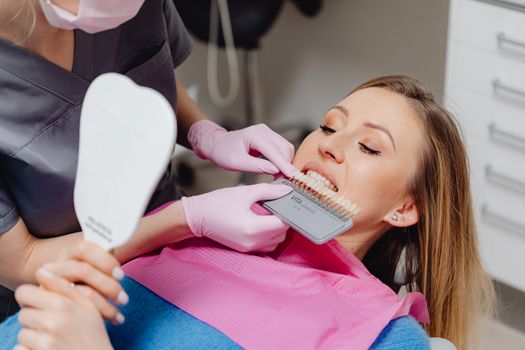
A bright, white smile is often considered a symbol of good health and confidence. In recent years, the demand for teeth whitening treatments has soared. According to the American Academy of Cosmetic Dentistry, over 80% of Americans aged 18 to 49 wish they had whiter teeth, and the global teeth whitening market is projected to surpass $7.4 billion by 2024. From in-office laser procedures to at-home LED kits, modern teeth whitening methods have evolved far beyond traditional baking soda and hydrogen peroxide pastes. But with so many choices, how do you know which technique is right for you? In this article, we’ll break down the most popular contemporary whitening methods, their effectiveness, what to expect during treatment, and how they compare.
The Science Behind Teeth Whitening: How Modern Methods Work
Modern teeth whitening is rooted in chemistry. Most methods utilize peroxide-based bleaching agents—either hydrogen peroxide or carbamide peroxide—to break down stains into smaller, less visible molecules. These stains can be extrinsic (on the enamel surface, caused by coffee, tea, red wine, or smoking) or intrinsic (within the tooth, often due to aging, trauma, or medication).
Today's whitening options can be categorized into two main groups: - Professional, in-office treatments performed by dentists - At-home systems, which include both dentist-prescribed and over-the-counter (OTC) productsThe key differences lie in the concentration of bleaching agents, application technique, and the speed and longevity of results. Advancements such as LED activation, laser technology, and custom-fitted trays have improved both safety and efficacy.
.png)
In-Office Whitening Treatments: Fast and Powerful Results
For those seeking immediate and dramatic results, professional in-office whitening remains the gold standard. Commonly branded as "laser whitening" or "power bleaching," these procedures use high-concentration bleaching gels (15-43% hydrogen peroxide) that are carefully applied and sometimes activated with specialized lights or lasers.
A typical session lasts about 60-90 minutes. The dentist will: 1. Protect your gums and soft tissues with a barrier 2. Apply the whitening gel to your teeth 3. Use a blue LED light or laser to accelerate the chemical reactionClinical studies show in-office whitening can lighten teeth by 3-8 shades in a single visit. According to the Journal of Dentistry (2020), 85% of patients report noticeable improvement after just one session.
Pros: - Fast, dramatic results - Supervised by a dental professional - Customizable for individual needs Cons: - Higher cost ($300-$1,000 per session) - Possible temporary sensitivity or gum irritation - Results may fade over time, requiring maintenanceTake-Home Kits from Dentists: Customization and Convenience
Dentist-dispensed take-home kits bridge the gap between professional oversight and at-home flexibility. These kits usually feature custom-made trays molded to fit your teeth precisely, ensuring even application of the bleaching gel (10-20% carbamide peroxide).
How it works: - The dentist creates an impression of your teeth - You receive custom trays and a supply of whitening gel - You wear the trays for 30 minutes to several hours each day, typically for 1-2 weeksTake-home kits provide a noticeable whitening effect—often 2-5 shades lighter—while minimizing the risk of gum irritation and sensitivity. They’re ideal for people seeking gradual, controlled results at a lower cost ($200-$400) than in-office treatments.
Pros: - Custom fit trays for comfort and even whitening - Lower concentration of peroxide = less sensitivity - Done at your own pace Cons: - Takes 1-2 weeks for full results - Requires strict adherence to instructions - Still more expensive than OTC optionsOver-the-Counter Whitening: Strips, Gels, and LED Devices
Drugstores and online retailers offer a dizzying array of whitening products, from strips and pens to LED-activated kits. These products use lower concentrations of peroxide (3-10%) to ensure safety for unsupervised use.
Popular options include: - Whitening strips: Thin, flexible plastic coated with gel, applied to teeth for 30-60 minutes daily for 1-2 weeks (e.g., Crest Whitestrips) - Paint-on gels: Brushed directly onto teeth, allowed to dry - LED whitening kits: Combine gel with a small blue-light deviceAccording to a 2022 survey by Statista, 36% of U.S. consumers who whiten their teeth use strips, making them the most popular OTC method.
OTC products can lighten teeth by 1-2 shades. While convenient and budget-friendly ($20-$100), results are less dramatic and may not last as long as professional methods. Some users experience mild tooth sensitivity or gum irritation if not used as directed.
Pros: - Affordable and widely available - Easy to use at home - Suitable for mild stains and touch-ups Cons: - Limited whitening power - Not customized to your teeth - Potential for uneven resultsNatural and Alternative Whitening Methods: Fact vs. Fiction
Beyond peroxide-based solutions, various natural and alternative methods are circulating online. These include activated charcoal powders, coconut oil pulling, and whitening toothpaste containing abrasive agents.
Scientific evidence for these methods is limited: - Activated charcoal: Can remove surface stains but may be too abrasive for daily use, risking enamel wear. A study in the Journal of the American Dental Association (2019) found no significant whitening benefit compared to regular toothpaste. - Oil pulling: Swishing coconut oil may promote oral health but has no proven whitening effect. - Whitening toothpaste: Contains mild abrasives or low concentrations of peroxide, offering minimal whitening (about 1 shade lighter).While these options are generally safe in moderation, they do not offer the same results as peroxide-based whitening. Overuse of abrasive agents can lead to enamel erosion and increased sensitivity.
Comparing Modern Teeth Whitening Methods: Efficacy, Cost, and Safety
Choosing the right whitening method depends on your goals, budget, and dental health. Here’s a side-by-side comparison of the most popular modern techniques:
| Method | Typical Shade Improvement | Time to Results | Cost (USD) | Professional Supervision | Risk of Sensitivity |
|---|---|---|---|---|---|
| In-Office Whitening | 3-8 shades | 1-2 hours | $300-$1,000 | Yes | Moderate |
| Take-Home Dentist Kit | 2-5 shades | 1-2 weeks | $200-$400 | Yes | Low |
| OTC Whitening Strips/LED | 1-2 shades | 1-2 weeks | $20-$100 | No | Low to Moderate |
| Natural Methods |
More from the archiveView full article archive →
justinpanelladmd.com
Fun & Healthy Dental Habits for Kids: A Parent's Guide to Oral Care
justinpanelladmd.com
Choosing the Best Dentist: A Guide to Optimal Oral Health Care
justinpanelladmd.com
Effective Ways to Manage and Prevent Gum Sensitivity at Home
justinpanelladmd.com
Unlock the Full Potential of Mouthwash: A Complete Guide to Usage and Benefits
justinpanelladmd.com
Fluoride's Role in Dental Health: Benefits, Safety, and Sources
justinpanelladmd.com
Boost Your Smile Naturally: Top Home Teeth Whitening Solutions & Tips
justinpanelladmd.com
Essential Dental Care Tips for Post-Braces: Keep Your Smile Perfect
justinpanelladmd.com
How to Choose the Right Toothpaste: Ingredients, Benefits & Tips |