Dental Care for Children: How to Teach Kids to Properly Care for Their Teeth
The journey to a lifetime of healthy smiles begins in childhood. Parents and caregivers play a pivotal role in helping children establish strong dental hygiene habits that last well into adulthood. With dental cavities ranking as the most common chronic childhood disease—five times more prevalent than asthma, according to the Centers for Disease Control and Prevention (CDC)—the importance of early and effective dental care cannot be overstated. But teaching kids to take care of their teeth isn’t just about avoiding cavities; it’s about empowering them with lifelong self-care skills, building confidence, and preventing costly dental problems down the road.
How can parents turn the sometimes-challenging task of teaching dental care into a fun, positive, and lasting routine? Let’s explore proven strategies, creative approaches, and essential information that will help you guide your child toward optimal oral health.
Understanding the Unique Dental Needs of Children
Children’s teeth and mouths are constantly developing, and their dental care needs differ significantly from those of adults. The primary (baby) teeth begin to erupt around six months of age and typically finish by age three. These tiny teeth, though temporary, are crucial for proper chewing, speech development, and holding space for permanent teeth.
.png)
One key fact: According to the American Academy of Pediatric Dentistry (AAPD), children should visit a dentist by their first birthday or within six months of the first tooth appearing. Early dental visits help detect problems, establish a dental home, and provide parents with guidance tailored to their child’s age and needs.
Another critical difference: Children’s enamel is thinner than adults’, making their teeth more susceptible to cavities. In fact, the CDC reports that over 52% of children aged 6-8 have had a cavity in at least one primary tooth. Recognizing these unique vulnerabilities helps parents prioritize dental care from the start.
Making Dental Hygiene Fun: Creative Approaches That Work
Let’s face it—most kids don’t naturally love brushing and flossing. The secret to success often lies in transforming daily routines into engaging, enjoyable activities. Here are some creative strategies to turn dental care into a positive experience:
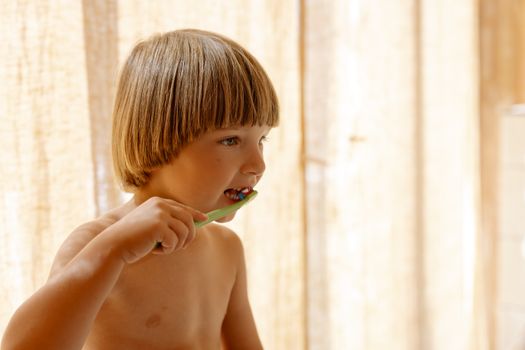
1. $1 Children learn by example. Brushing your teeth alongside your child not only demonstrates proper technique but also makes the experience social and interactive. 2. $1 The American Dental Association (ADA) recommends brushing for two minutes, twice a day. Play your child’s favorite song or use a colorful timer to turn brushing into a dance party. 3. $1 Visual progress charts with stickers can motivate kids to brush and floss consistently. Celebrate milestones—like a week of twice-a-day brushing—with small, non-food rewards. 4. $1 Invent stories about “tooth heroes” fighting “sugar bugs” or create simple brushing games. Some toothbrushes even come with built-in games or companion apps that reward good brushing. 5. $1 Allowing children to pick their toothbrush (with their favorite character or color) and toothpaste (with safe, child-friendly flavors) gives them a sense of ownership and excitement.By making dental hygiene enjoyable, you increase the likelihood that your child will stick with these vital habits for life.
Step-by-Step Guidance: Teaching Proper Brushing and Flossing Techniques
It’s not enough just to brush—how children brush and floss matters. Teaching correct technique helps prevent cavities and gum disease and reduces the risk of improper cleaning.
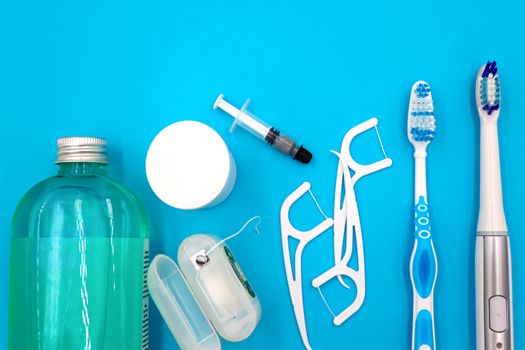
1. $1 - Use a child-sized, soft-bristled toothbrush and a pea-sized amount of fluoride toothpaste once your child is old enough to spit (usually around age 3; before that, use a smear about the size of a grain of rice). - Hold the brush at a 45-degree angle to the gums and use gentle, circular motions. - Brush all surfaces: outer, inner, and chewing surfaces of every tooth. - Encourage brushing the tongue to remove bacteria and freshen breath. 2. $1 - Begin flossing as soon as two teeth touch (typically between ages 2 and 6). - Use soft, flexible floss or child-friendly floss picks. - Gently slide the floss between teeth, curve it around each tooth, and move it up and down. 3. $1 - Young children lack the fine motor skills for effective brushing and flossing until about age 7 or 8. Parents should supervise and assist until then.The following table summarizes age-appropriate dental hygiene tips:
| Age Group | Brushing | Flossing | Parental Involvement |
|---|---|---|---|
| 0-2 years | Wipe gums with damp cloth; brush with water when teeth erupt | Not needed unless teeth touch | Full parental care |
| 3-6 years | Pea-sized fluoride toothpaste; teach spitting | Start when teeth touch | Supervise and assist |
| 7-12 years | Continue fluoride toothpaste; emphasize technique | Daily flossing | Supervise as needed |
| 13+ years | Independent brushing | Independent flossing | Monitor habits |
Healthy Eating Habits: The Foundation of Strong Teeth
Diet plays a crucial role in children’s oral health. Sugary snacks and drinks can feed harmful bacteria, leading to acid production and tooth decay. Here are key facts and strategies for parents:
- $1 The World Health Organization recommends that free sugars should make up less than 10% of total daily energy intake. For children, this means limiting candy, sodas, and sugary juices. - $1 Encourage snacks like cheese, yogurt, fruits, vegetables, and whole grains. Cheese, for example, can help neutralize acids in the mouth. - $1 Frequent snacking increases the risk of cavities. Offer water between meals, and save sweets for special occasions. - $1 Water, especially fluoridated tap water, helps rinse away food particles and strengthens tooth enamel.A 2022 study published in the Journal of Dental Research found that children who consumed more than three sugary snacks daily had 2.4 times the risk of developing cavities compared to those who consumed fewer. Healthy eating habits not only benefit teeth but also overall growth and well-being.
Building a Positive Relationship with the Dentist
Regular dental check-ups are essential for children, yet dental anxiety is common. Establishing a positive relationship with the dentist early on helps reduce fear and ensures children receive regular preventive care.
- $1 The AAPD recommends that children see a dentist by their first birthday. Early visits are brief, gentle, and focused on education and prevention. - $1 Pediatric dentists specialize in children’s oral health and create a welcoming, playful environment. - $1 Read books or role-play dental visits at home to familiarize your child with what to expect. - $1 Refrain from using words like “hurt,” “shot,” or “pain.” Instead, focus on the positive aspects, such as “cleaning,” “counting teeth,” or “making teeth shiny.”According to the American Dental Association, children who visit the dentist regularly are 60% less likely to need emergency dental treatment than those who do not.
Empowering Kids: Encouraging Responsibility and Good Habits
As children grow, fostering independence and responsibility for their dental care becomes increasingly important. Here are practical tips for nurturing self-reliance:
- $1 Establish set times for brushing and flossing, such as after breakfast and before bed. - $1 Use charts, checklists, or smartphone reminders to help children remember their routines. - $1 Praise efforts, not just results. Recognize consistent care and improvement. - $1 Teach kids about the why—not just the how—of dental care. Age-appropriate videos, science projects, or visits to the dentist for “tooth talks” can make learning fun.A study published in Pediatric Dentistry found that children who felt responsible for their own oral hygiene were 35% more likely to brush twice daily than those whose parents took full control. Empowerment leads to better long-term habits and healthier smiles.
Final Thoughts on Teaching Kids Dental Care
Teaching children to care for their teeth is an investment in their lifelong health and confidence. By understanding their unique needs, making dental hygiene fun, demonstrating proper techniques, encouraging healthy eating, building positive dental experiences, and fostering independence, parents can lay the foundation for a future of happy, healthy smiles.
Remember, the habits your child builds now will shape their oral health for decades to come. Start early, be patient, and celebrate every step toward a brighter, cavity-free future.