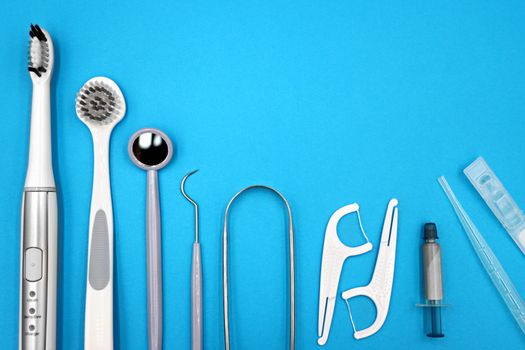
The Role of a Dental Hygienist: When and Why to Visit One
Maintaining a healthy smile goes far beyond brushing and flossing at home. Dental health is a team effort, and while dentists are often the most recognized members, dental hygienists play a vital and unique role in keeping your teeth and gums in optimal condition. But what exactly does a dental hygienist do, and how do their services differ from those of a dentist? More importantly, when should you book an appointment with a dental hygienist, and why is it essential for your long-term oral health?
This article explores the specialized role of dental hygienists, their impact on oral and overall health, signs that indicate it’s time for a visit, and how their work compares to that of dentists. Whether you’ve never seen a hygienist or haven’t been in years, understanding their role can help you make informed decisions for your dental care.
What Does a Dental Hygienist Do?
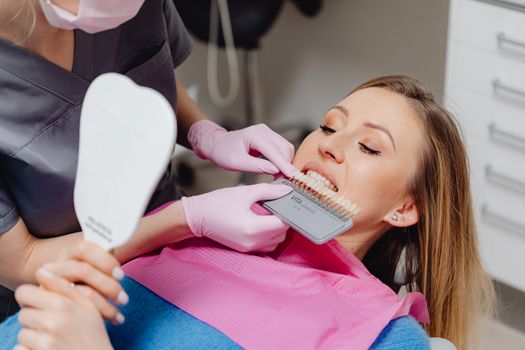
Dental hygienists are licensed oral health professionals who focus on preventive dental care and the promotion of good oral hygiene. Their primary responsibilities are quite distinct from those of dentists, centering around prevention and early detection rather than diagnosis and treatment of complex problems.
.png)
Some of the core duties of a dental hygienist include:
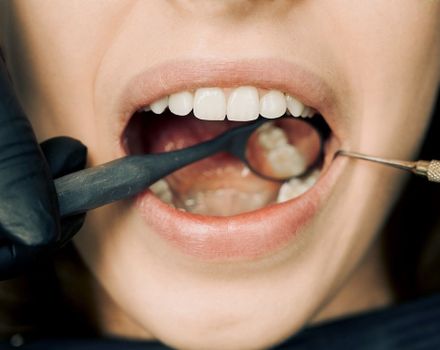
- Professional teeth cleaning (scaling and polishing) to remove plaque, tartar, and stains - Examining patients for signs of oral diseases, such as gingivitis or periodontal disease - Applying preventive materials like sealants and fluoride treatments - Educating patients on effective brushing, flossing, and nutritional habits - Taking dental x-rays and documenting oral health status - Collaborating with dentists on patient care plansDental hygienists receive specialized education, typically completing a two or three-year associate’s degree or, less commonly, a bachelor’s degree in dental hygiene. As of 2023, the U.S. Bureau of Labor Statistics reported over 214,000 dental hygienists working in the United States, reflecting the increasing recognition of their essential contribution to oral health care.
The Distinct Value of Dental Hygienist Visits
You might wonder: if you already see a dentist regularly, why should you also visit a dental hygienist? The answer lies in the different, but complementary, roles they play.
Dental hygienists are prevention experts. Their primary goal is to keep you from needing more invasive dental work in the future. According to the American Dental Association (ADA), regular professional cleanings performed by hygienists can reduce the risk of gum disease by as much as 60%. Early detection of issues like gingivitis, tooth decay, or oral cancers during a hygiene visit enables prompt treatment before the problems become more severe.
Hygienists also spend more time with patients during preventive appointments. A typical hygiene visit lasts between 30 and 60 minutes, compared to 10-15 minutes for a checkup with a dentist. This allows for a more thorough cleaning, detailed oral hygiene instruction, and personalized advice tailored to your lifestyle, habits, and health status.
When Should You See a Dental Hygienist?
Frequency of visits to a dental hygienist can depend on your individual oral health needs, but there are some general guidelines:
- Most dental associations recommend seeing a hygienist every six months for routine cleanings and preventive care. - People with a history of gum disease, heavy tartar buildup, or certain medical conditions (like diabetes) may need to visit every 3-4 months. - Smokers, pregnant women, and those with orthodontic appliances often benefit from more frequent hygiene visits to manage increased risk of oral problems.Beyond routine care, certain signs indicate you should schedule a visit with a dental hygienist sooner rather than later:
- Persistent bad breath or a bad taste in the mouth - Bleeding, swollen, or tender gums - Noticeable buildup of tartar or stains on teeth - Increased tooth sensitivity - Early signs of gum recessionSeeing a hygienist before these symptoms worsen can prevent more serious dental issues and even help identify systemic health conditions. In fact, research shows that untreated gum disease is linked to higher risks of heart disease, stroke, and uncontrolled diabetes.
Dental Hygienist vs. Dentist: Who Does What?
It’s common to be uncertain about the difference between a dental hygienist and a dentist. Understanding their distinct roles can help you make the most of each visit and ensure you’re receiving comprehensive care. Here’s a clear comparison:
| Role | Dental Hygienist | Dentist |
|---|---|---|
| Primary Focus | Prevention & education | Diagnosis & treatment |
| Typical Services | Teeth cleaning, X-rays, fluoride, sealants, oral hygiene instruction | Fillings, crowns, extractions, root canals, complex diagnosis |
| Appointment Length | 30-60 minutes | 10-30 minutes (checkup only) |
| Patient Interaction | Extended, educational, preventive focus | Problem-solving, treatment planning |
| Education | Associate’s or bachelor’s in dental hygiene | Doctor of Dental Surgery (DDS) or Doctor of Dental Medicine (DMD) |
It’s important to note that hygienists and dentists work closely together. Your hygienist may alert the dentist to any issues discovered during cleaning, and the dentist will step in for further diagnosis or treatment as needed.
How Dental Hygienists Help Prevent Serious Health Problems
The work of dental hygienists goes far beyond a bright smile; it plays a significant role in overall health. A growing body of research links oral health to systemic conditions, including cardiovascular disease, diabetes, respiratory infections, and even complications during pregnancy.
For example:
- The Centers for Disease Control and Prevention (CDC) report that nearly 47% of adults aged 30 and older in the U.S. have some form of periodontal (gum) disease. - Gum disease has been associated with a 2-3 times higher risk of heart attack, stroke, or other serious cardiovascular events. - Pregnant women with gum disease are more likely to deliver preterm or low birth weight babies.Dental hygienists are trained to spot early warning signs of gum disease and other oral health issues. By removing plaque and tartar and providing regular screenings, they reduce inflammation and bacterial load in the mouth—key factors in lowering the risk of associated systemic diseases.
Additionally, hygienists often perform oral cancer screenings during routine visits. Early detection dramatically improves survival rates, with the five-year survival rate for oral cancer at 84% when caught early, compared to just 29% when diagnosed after the cancer has spread.
Personalized Preventive Care: The Hygienist Advantage
One of the greatest strengths of dental hygienists is their ability to provide personalized care. They tailor their advice and cleaning techniques to each patient’s age, medical history, risk factors, and even lifestyle.
Examples of tailored care include:
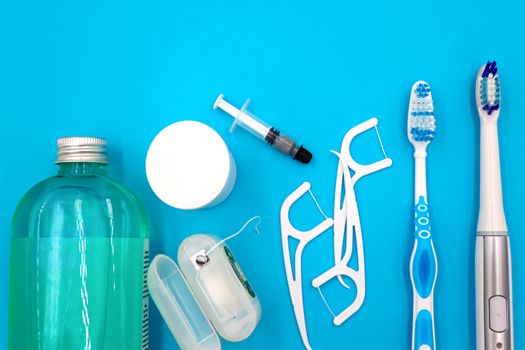
- Recommending specific toothbrushes or interdental aids for patients with braces or dexterity issues - Advising on dietary changes for those at high risk of cavities or gum disease - Demonstrating proper brushing and flossing techniques for children, seniors, or patients with physical limitations - Monitoring the oral health of patients with chronic illnesses, such as diabetes, that affect gum healthThis patient-centered approach not only helps prevent dental disease but also empowers individuals to take charge of their oral health between visits.
Final Thoughts on the Essential Role of Dental Hygienists
Dental hygienists are crucial partners in your oral and overall health journey. Their expertise in prevention, early detection, and patient education forms the foundation for a lifetime of healthy smiles. By seeing a dental hygienist regularly, you not only keep your teeth and gums in top shape but also reduce your risk for costly, painful, and serious health problems down the line.
If it’s been more than six months since your last cleaning, or if you’re experiencing any of the warning signs outlined above, now is the perfect time to schedule an appointment. Your future self—and your smile—will thank you.