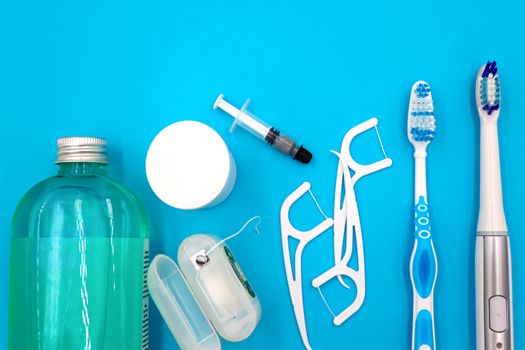
Keeping your mouth healthy goes far beyond just brushing and flossing. Mouthwash, also known as oral rinse, has become a staple in many oral hygiene routines. Yet, not all mouthwashes are created equal, and using them correctly is crucial for getting their full benefits while minimizing potential drawbacks. Whether you’re looking to freshen breath, fight bacteria, or strengthen enamel, understanding how to properly use mouthwash and the pros and cons of different types can make a significant difference in your oral health.
The Role of Mouthwash in Oral Hygiene
Mouthwash is more than just a way to freshen your breath before a big meeting or date. Its main functions include reducing oral bacteria, controlling plaque, preventing or reducing gingivitis, and sometimes delivering specific therapeutic ingredients like fluoride or antiseptics. According to the American Dental Association (ADA), about 20% of American adults use mouthwash daily, and nearly 60% use it at least occasionally.
There are two primary categories of mouthwash:
1. Cosmetic mouthwashes, which temporarily control bad breath and leave the mouth with a pleasant taste but do not address bacteria or disease. 2. Therapeutic mouthwashes, which contain active ingredients that help reduce or control conditions like bad breath, gingivitis, plaque, and tooth decay.The right mouthwash can be a powerful ally in your daily oral care routine—but only if you use it properly.
.png)
How to Use Mouthwash Effectively: Step-by-Step Guide
Even the best mouthwash can’t work its magic unless you use it correctly. Here’s a simple, science-backed method for optimal results:
1. $1: Mouthwash should never replace brushing or flossing. Clean teeth and gums allow the mouthwash to reach bacteria in hard-to-clean areas. 2. $1: Most mouthwashes recommend 20 milliliters (about 4 teaspoons) per use. Use the cap or a measuring cup to get the precise amount. 3. $1: Swish the mouthwash vigorously around your mouth for at least 30 seconds to 1 minute. Make sure it contacts all surfaces, including between teeth and along the gumline. 4. $1: Mouthwash is for rinsing and spitting, not drinking. 5. $1: Wait at least 30 minutes before consuming food or drinks, especially if using a fluoride rinse, to allow the active ingredients to work. 6. $1: Most mouthwashes are designed for once or twice daily use. Using more than directed can sometimes cause irritation or other side effects.According to a 2021 study published in the $1, patients who used mouthwash following this protocol had a 37% greater reduction in oral bacteria compared to those who used it incorrectly.
Types of Mouthwash: Pros and Cons
With so many mouthwash options on store shelves, it’s easy to feel overwhelmed. Let’s break down the major types and their unique advantages and disadvantages.
| Type | Main Purpose | Key Ingredients | Pros | Cons |
|---|---|---|---|---|
| Antiseptic/Antibacterial | Reduce bacteria, fight gum disease | Chlorhexidine, cetylpyridinium chloride, essential oils | Effective against plaque and gingivitis; prescription options strong | May cause staining, altered taste, or irritation with long-term use |
| Fluoride | Strengthen enamel, prevent cavities | Sodium fluoride | Proven to reduce tooth decay; ideal for those at risk of cavities | Not suitable for young children (fluoride ingestion risk); limited effect on gum disease |
| Alcohol-based | Freshen breath, kill germs | Ethanol, menthol | Strong antibacterial action; intense freshening | Can cause dry mouth; not recommended for those with sensitive gums or alcohol sensitivity |
| Alcohol-free | Freshen breath, mild antibacterial | Essential oils, cetylpyridinium chloride | Gentle; suitable for children and sensitive mouths | May be less effective against stubborn bacteria |
| Natural/Herbal | Gentle cleansing, freshening | Aloe vera, tea tree oil, xylitol | Fewer chemicals; often free from artificial additives | Effectiveness varies; limited clinical evidence for some |
Understanding the Active Ingredients in Mouthwash
The power of any mouthwash lies in its active ingredients. Here’s how some of the most common substances work:
- $1: A powerful prescription antiseptic effective at reducing plaque and treating gum disease. However, long-term use can cause tooth staining in up to 30% of users, according to a 2020 ADA report. - $1: Found in many over-the-counter antibacterial rinses, CPC helps reduce bad breath and mild gum inflammation. - $1: These plant-derived compounds disrupt bacteria and freshen breath. A 6-month clinical study showed that essential oil mouthwashes reduced plaque by up to 56%. - $1: Proven to remineralize enamel and decrease cavity risk by up to 27%. Fluoride is especially valuable for people with a history of cavities or orthodontic appliances. - $1: While effective at killing bacteria, ethanol can dry out the mouth, which may actually promote odor and bacterial growth in the long term.Choosing a mouthwash with the right active ingredients for your needs is essential for maximizing benefits and minimizing risks.
Who Should Use Mouthwash—And Who Should Avoid It?
While mouthwash can be a helpful addition to most oral care routines, it’s not for everyone. Here are some guidelines based on current research and dental recommendations:
- $1: - Adults and teenagers seeking to reduce plaque or freshen breath - People with a history of gum disease (therapeutic, antibacterial rinses) - Individuals prone to cavities (fluoride mouthwash) - Patients after oral surgery (as directed by a dentist) - $1: - Children under 6 years old (due to swallowing risk) - People with allergies to common ingredients (e.g., certain essential oils) - Individuals with dry mouth, oral ulcers, or sensitive mucosa (prefer alcohol-free or natural options) - Those in addiction recovery or sensitive to alcohol (strictly use alcohol-free)It’s essential to consult with a dental professional if you have specific oral health concerns or medical conditions that might interact with mouthwash ingredients.
Common Mistakes When Using Mouthwash
Even with the best intentions, many people make simple mistakes that undermine the effectiveness of mouthwash:
- $1: This washes away concentrated fluoride from toothpaste. For maximum benefit, wait at least 30 minutes after brushing before using mouthwash, or use it at a different time of day. - $1: Using mouthwash more often than recommended can irritate the oral mucosa, disrupt the natural microbiome, and—especially with alcohol-based rinses—contribute to dry mouth. - $1: Ingesting even small amounts, especially of fluoride or chlorhexidine-based rinses, can cause stomach upset or other health issues. - $1: Eyeballing the amount can lead to under- or over-dosing. Always use the cap or a measuring cup.Awareness and proper technique are key for getting the most out of your mouthwash while avoiding pitfalls.
Weighing the Pros and Cons of Mouthwash Use
Mouthwash can be a valuable ally in your oral hygiene arsenal, but it’s not a cure-all. Here’s a summary of the major advantages and disadvantages:
Pros: - Reduces oral bacteria, lowering risk of gum disease and cavities - Freshens breath and boosts confidence - Delivers targeted ingredients (like fluoride or antiseptics) to hard-to-reach areas - Convenient and quick addition to daily routines Cons: - Some types can cause staining, dry mouth, or altered taste - Overuse or misuse can irritate oral tissues - Not suitable for all ages or medical conditions - May provide only temporary breath freshening if underlying problems aren’t addressedThe key takeaway: mouthwash is most effective as part of a comprehensive oral care routine that includes brushing, flossing, and regular dental checkups.
Smart Mouthwash Use: Final Thoughts for a Healthier Smile
Mouthwash, when chosen wisely and used correctly, can provide meaningful benefits to your oral health. The right type, frequency, and technique matter just as much as the choice of toothpaste or toothbrush. By understanding the ingredients, being aware of potential side effects, and avoiding common mistakes, you can safely enjoy the advantages of mouthwash—whether you’re fighting cavities, battling bad breath, or striving for healthier gums.
Every mouth is unique, so don’t hesitate to consult your dentist for a personalized recommendation. When used as part of a complete oral hygiene routine, mouthwash can be a powerful tool for keeping your smile bright, fresh, and healthy.