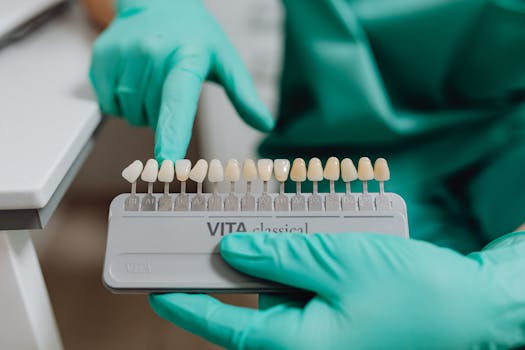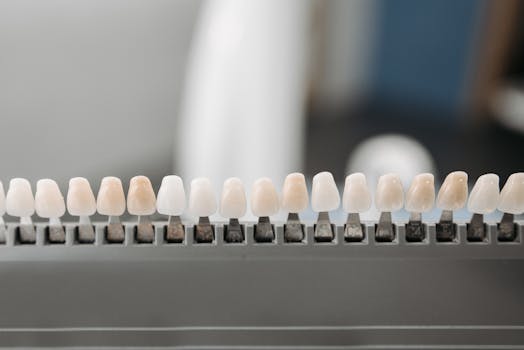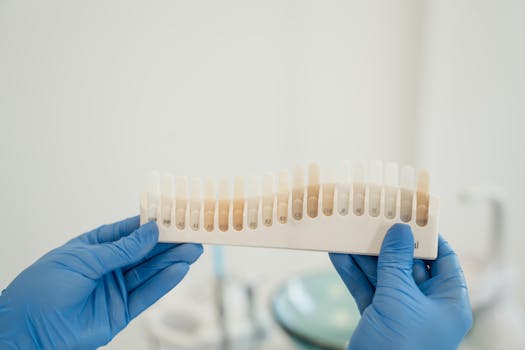
Dental crowns are indispensable in restorative dentistry, serving as both a functional and aesthetic solution for damaged teeth. By fully encapsulating the tooth above the gum line, crowns restore the integrity, appearance, and function of teeth that are decayed, cracked, or excessively worn. This comprehensive overview discusses the critical role of dental crowns, their types, the procedural steps involved in getting one, and their overall impact on oral health and aesthetics.
Types of Dental Crowns
Dental crowns are made from varied materials, each with specific advantages:
.png)
- Porcelain and Ceramic: These materials are favored for their natural appearance, making crowns virtually indistinguishable from natural teeth. They are ideal for front teeth restoration due to their aesthetic qualities.
- Metal: Including gold, nickel, chromium, and palladium, metal crowns are extremely durable and withstand biting and chewing forces well, making them suitable for molars.
- Porcelain Fused to Metal (PFM): These crowns offer a combination of strength (due to their metal structure) and a natural appearance (thanks to the porcelain coat), although the metal underlay might show through as a dark line.
- Composite Resin: Less durable than other types but can be more cost-effective. They are easier to repair and good for temporary situations.
Procedure for Getting a Dental Crown
The process typically involves several steps:
- Initial Consultation: Determining the need for a crown, discussing material options, and planning the treatment.
- Tooth Preparation: Reshaping and filing the tooth to make space for the crown.
- Impression Taking: Creating a detailed impression of the prepared tooth and the surrounding teeth for the perfect crown fit.
- Temporary Crown: Installing a temporary crown to protect the tooth while the permanent crown is crafted in a dental lab.
- Permanent Crown Placement: Once fabricated, the permanent crown is fitted, adjusted, and cemented into place.
Benefits of Dental Crowns
- Protection: Crowns safeguard weak teeth from further damage or decay and hold together parts of a cracked tooth.
- Functional Restoration: They help restore tooth functionality, enabling normal eating and speaking.
- Aesthetic Enhancement: Crowns improve the dental appearance by covering stained or misshapen teeth.
- Longevity: With proper care, crowns can last a long time, typically between 5 to 15 years.
Maintenance of Dental Crowns
Caring for crowns involves the same hygiene practices as natural teeth:
- Regular Brushing and Flossing: Prevents plaque buildup around the crown.
- Routine Dental Check-ups: Ensures the crown and surrounding gums remain healthy.
- Avoiding Hard Foods: Protects crowns from damage.
Cosmetic and Psychological Impacts
Beyond restoration, dental crowns have significant cosmetic benefits. They provide a solution for discolored or poorly shaped teeth, enhancing overall smile aesthetics. Psychologically, crowns can boost self-confidence and improve social interactions, contributing positively to mental health.
Conclusion
Dental crowns are a fundamental element of restorative dentistry, crucial for both functional and aesthetic restoration. They provide a durable solution for damaged teeth while also enhancing oral health and appearance. Advances in dental technology continue to improve the quality and efficiency of dental crowns, making them an integral component of modern dental care. Whether for restoration or cosmetic improvement, dental crowns significantly contribute to dental health, functionality, and patient confidence.